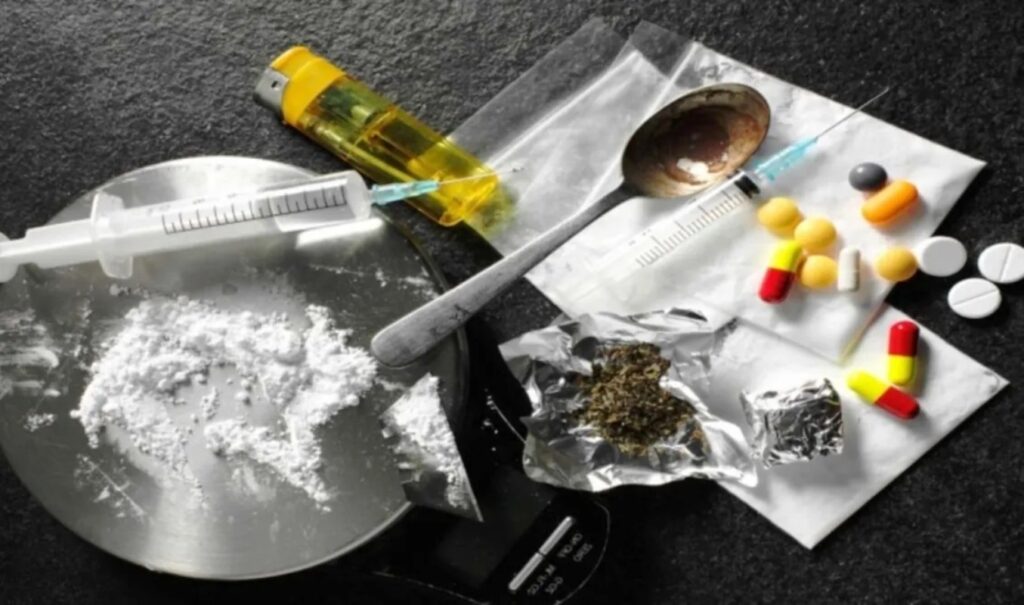
The drug market in Greece is constantly evolving, with trafficking networks continuously adapting their methods, leveraging new technologies and shifting smuggling routes. Meanwhile, cocaine and cannabis continue to dominate, while new psychoactive substances — including synthetic cannabinoids, so-called “pink cocaine,” and ketamine — are now firmly under the microscope of law enforcement. This landscape was described to the Athens-Macedonian News Agency (ANA-MPA), on the occasion of today’s International Day Against Drug Abuse and Illicit Trafficking, by Yannis Karydakos, Deputy Director of the Drug Enforcement Sub-Directorate of the Organized Crime Combating Division.
Major drug seizures and the new methods of trafficking networks
According to data from the Drug Enforcement Sub-Directorate, from October 2024 to the present, authorities have handled 323 cases and carried out 646 arrests. During the same period, seizures included 1.8 tonnes of cocaine, 5.2 tonnes of raw cannabis, 174.5 kilograms of processed cannabis, 135.2 kilograms of heroin, 9,251 cannabis plants, and 18,265 ecstasy tablets. As Yannis Karydakos points out, “the networks that traffic drugs are constantly changing,” adapting to operational pressure, new technologies, and shifting consumer trends.
One of the most significant developments in recent years is the surge in the use of online applications and drug shipments via postal parcels — a trend that accelerated following the pandemic period and now represents, as he notes, “a new modus operandi” for trafficking rings. He also describes the so-called “waterbed effect”: when law enforcement intensifies pressure on one trafficking route, criminal networks simply shift their operations to alternative pathways. As he explains, major seizures at ports such as Piraeus and Thessaloniki have driven traffickers to seek out new entry points for illicit substances.
New substances, technology, and a message to young people
The head of the Drug Enforcement Sub-Directorate notes that cannabis and cocaine remain the dominant substances in the Greek market, while heroin is showing a declining trend compared to previous years — though it has not disappeared entirely. Of particular concern is the emergence of synthetic cannabinoids, which represent one of the most significant new threats. In several cases, he explains, legally available cannabis or cannabinoid products are subsequently processed or even sprayed to boost their potency and increase THC levels — the primary psychoactive compound in cannabis.
In this context, he also highlights the recent legislative change that came into force on May 20th, which banned the retail sale of cannabinoid products due to the risks that had begun to be recorded. Particular attention is also drawn to so-called “pink cocaine” and to ketamine, which he believes is, to some extent, “moving in to fill the void left by heroin” as a depressant drug.
Authorities are now also identifying new forms of drug trafficking, such as butter containing THC and vaping products with liquefied THC — clear evidence that the market is continuously evolving and adapting to new consumer habits. When asked whether Greece functions as a destination or transit country for drugs, Yannis Karydakos explains that both apply, with the country operating primarily as a transit hub — particularly for cannabis and cocaine — owing to its strategic geographical position and extensive coastline.
Particular emphasis is placed on the role of technology, as encrypted communication platforms and high-security applications are making it increasingly difficult for authorities to track and identify members of criminal organizations. On the occasion of the International Day Against Drug Abuse, the director of the Drug Enforcement Sub-Directorate sends a clear message — directed primarily at young people — stressing that “there is no such thing as a good or bad drug” and that all substances, regardless of how they are marketed or distributed, can lead to addiction and cause serious consequences for users’ health and lives.