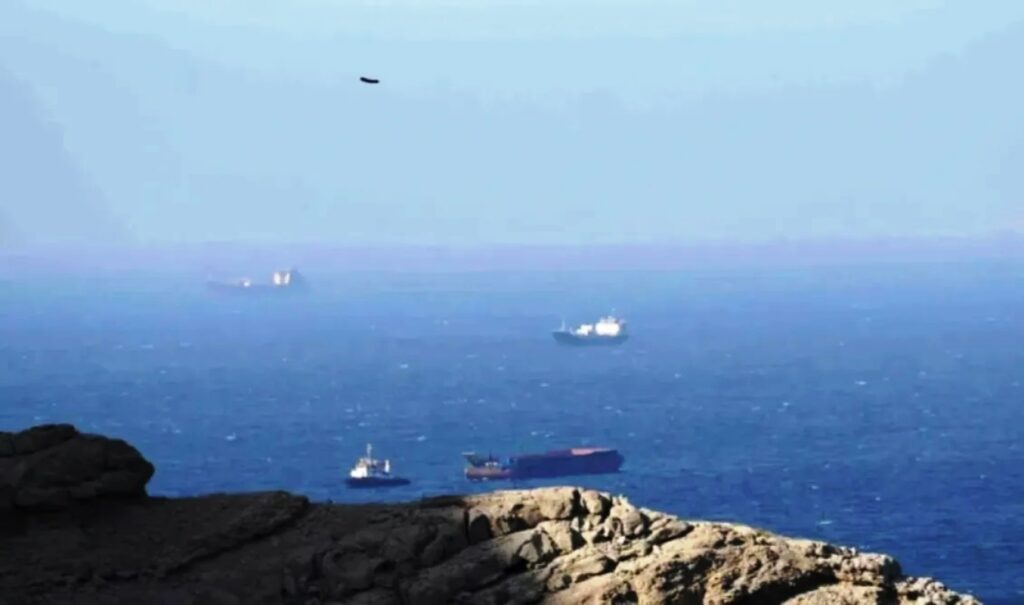
Tanker traffic through the Strait of Hormuz slowed significantly on Friday (June 26) compared to previous days, just hours after a vessel managed by a Taiwanese company came under attack, according to ship-tracking data. The International Maritime Organization (IMO) has temporarily suspended its operation to evacuate hundreds of ships and thousands of sailors from the Gulf following damage sustained by the vessel during the attack in the maritime corridor off the coast of Oman.
Read also: Strait of Hormuz: The day after the US-Iran deal — when will oil markets return to normal?
Crude oil prices drop over 3%
However, according to data from LSEG and MarineTraffic, at least four tankers — including three very large crude carriers (VLCCs) capable of carrying up to 2 million barrels of oil each — entered the Gulf to load crude oil.
Two additional supertankers entered the Strait to load Iranian oil, according to separate vessel-tracking data, while another tanker exited the Strait carrying 2 million barrels of oil off the coast of Oman, according to analysis by Kpler.
Oil buyers are eager to secure supplies after months of disruption caused by the conflict with Iran, following the ceasefire agreement reached between Washington and Tehran. Crude oil prices fell more than 3% on Friday, putting them on track for significant weekly losses.
Strait of Hormuz: Only 13 tanker transits recorded today
Before the outbreak of the conflict, the average daily total of vessel transits stood at 125 ships. Taiwan’s Evergreen Marine confirmed today that its managed vessel was struck near Oman by an “unknown projectile”, following statements made to Reuters by American officials on Thursday that Iran had fired on the ship.
“The attack is a setback to plans for freeing ships and resuming transit through the Strait of Hormuz, although some shipments are still expected to proceed,” said Giacomo Larsen, head of security at the shipping association BIMCO.
Tanker movements — including crude, petroleum product, and chemical carriers — reached just 13 transits in both directions today, compared to 24 yesterday and 27 on Wednesday, which had been the highest figure since the conflict erupted with US-Israeli strikes on Iran on February 28, according to Kpler analysis.