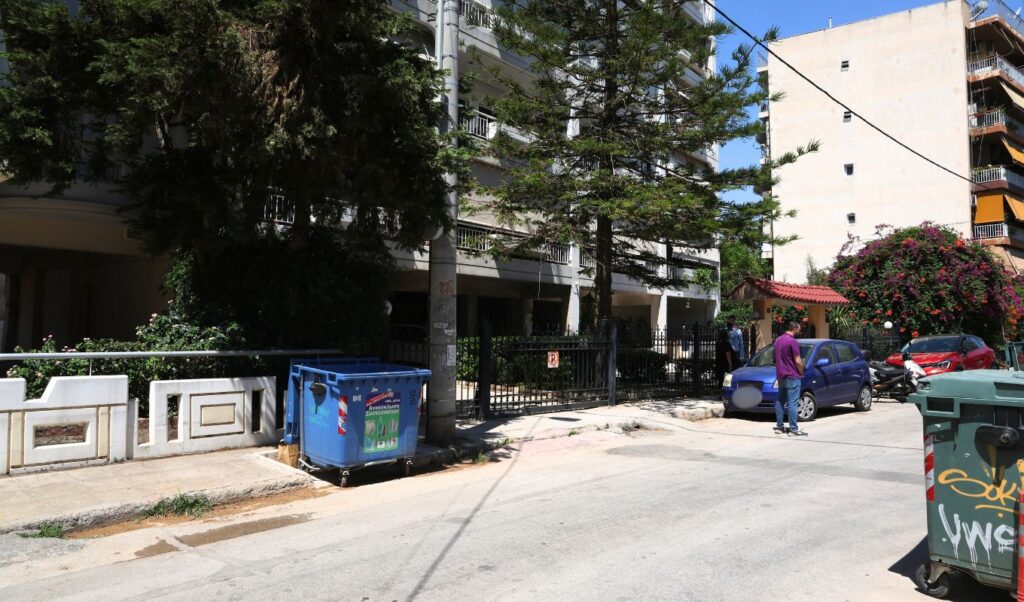
Once again, Greek Police (ELAS) officers find themselves on the defensive — following the recent incident in Kallithea — regarding what many are calling the “easy” assignment of blame to law enforcement over the issue of violence among minors. The recent incident in Kallithea, which led to the tragic death of a 15-year-old, has sparked a new wave of debate and accusations against ELAS, particularly after specific comments circulating in the media and online on June 24 pointed the finger squarely at the police.
Read more: Kallithea: Ten more individuals under scrutiny over the fatal brawl that claimed the life of a 15-year-old — investigation continues with new leads
Both ELAS and the Ministry of Citizen Protection have made it clear, time and again, that they will not allow any allegation to go unanswered. As sources from both the force’s Alexandras Avenue headquarters and the Katechaki operations center consistently emphasize, “society as a whole must confront this problem.” Numerous current and former police officers have repeatedly pointed out in public discussions that “by the time an incident reaches a police station, it is already far too late,” and that what matters most is “comprehensive prevention.”
Concern within ELAS over the Kallithea incident
In this particular case, and especially in the area where the incident occurred, data from the last quarter alone suggests that rapid response units and DIAS motorcycle patrol teams have been blanketing the neighborhood. According to information obtained by parapolitika.gr, in that specific part of Kallithea alone, more than 5,000 checks have been carried out by frontline officers between April 1 and today. In total, 4,392 checks were conducted on residents and passersby, along with 1,241 vehicle inspections — amounting to more than 60 checks per day. Police records further reveal that during these checks, 317 individuals were brought in to local police stations for questioning, while 147 were formally arrested.
Within the same framework and area, it is also noted that rapid response units and DIAS patrol teams are active across all shifts with continuous patrols, and a dedicated security vehicle is kept on standby at all times. According to operational planning, targeted sweeps of the area — particularly around public squares — are conducted twice a week, while on Fridays and Saturdays, checks specifically targeting minors are carried out.