Stadiou Street is on a path of renaissance, as recent years have seen intense investment activity aimed at reversing the image of abandonment left behind by the economic crisis.
Stadiou’s transformation: New investments, international brands, hotels and historic property renovations
The reopening of historic properties, the arrival of major retail chains, new hotel investments and the concentration of powerful business organizations are gradually creating a different landscape for one of the capital’s most iconic streets. At the same time, however, several significant buildings remain inactive, serving as a reminder that the area’s full recovery has not yet been completed.
The Arsakeion arcade
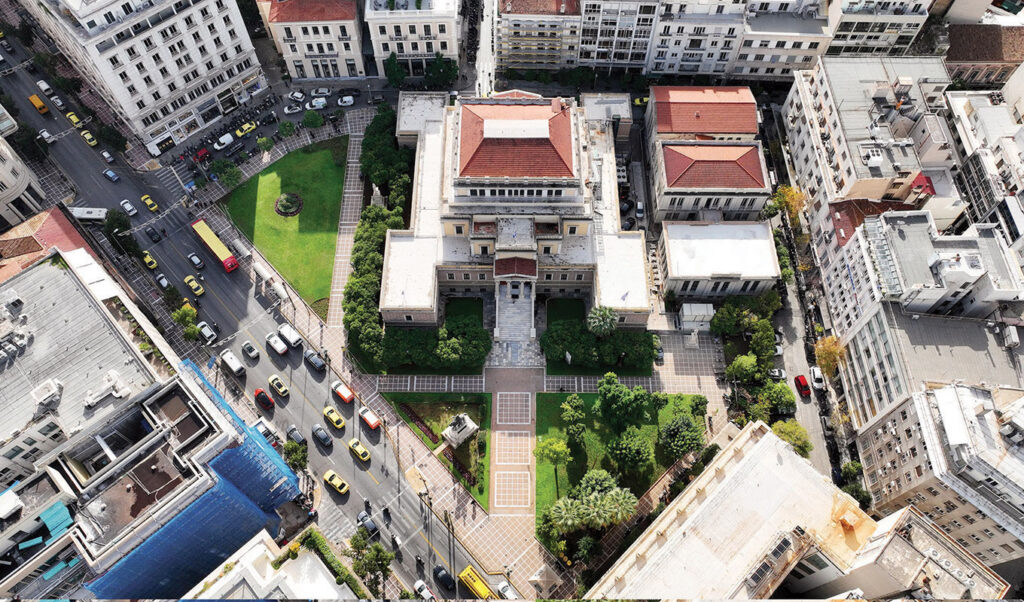
The Arsakeion Arcade is playing a pivotal role in the revival of Stadiou Street, making a dynamic return to the map of central Athens. According to Legendary Food CEO Panos Triantafyllopoulos, the operation of the first four retail stores has already led to a fourfold increase in footfall in the area. The full launch of the new gastronomic destination “Stoa” is expected in July, with ambitions to attract between 8,000 and 10,000 visitors daily.
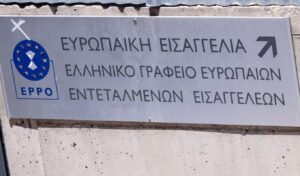
Nike, Lacoste, BSB, Bostonians and the public power corporation DEI have already set up shop in the former Book Arcade premises, while the European Union’s Europa Experience center is also operating there. The culinary component of the investment includes nine themed street food stations, three standalone restaurants and a modern delicatessen offering more than 4,000 products from approximately 300 Greek producers. Legendary Food took on the project in 2019, securing a long-term lease of approximately 13,000 square meters of the Arsakeion building for a period of 35 years.
A high-end retail environment takes shape
Meanwhile, Stadiou Street is gradually acquiring a new retail identity. A significant development is the arrival of German fashion chain New Yorker, which has leased 3,273 square meters to create one of its largest stores in Greece. At the same time, the Fais Group has significantly strengthened its presence in the area, bringing international luxury brands such as Jimmy Choo and Chloé, while also maintaining the historic Kalogirou store on Stadiou. These moves reflect the area’s gradual shift toward a higher-quality, premium retail environment.
Activity is also being recorded at another iconic property in the city center. This summer, NAK is expected to complete its departure from the historic Athenian Club building, at the corner of 11 Panepistimiou Street and 5 Amerikis Street, bringing to an end a long-standing presence at one of Athens’ most prominent addresses. Sources indicate that the National Bank of Greece is set to become the new tenant, having reportedly prevailed in the selection process, further strengthening its footprint in the heart of the capital.
The area is also attracting significant investment in the hospitality sector. The historic building at 54 Stadiou Street, on the corner of Benaki Street, is being converted into a hotel by Blend Development, owned by Dimitris and Paris Kallitsantsis. The investment, valued at approximately €25 million, calls for the creation of a hotel with around 130 rooms and apartments, which will operate under the Bob W brand.
Alpha Bank is also reinforcing its presence in the historic city center. Following the acquisition of the property at 38 Stadiou Street from Yoda, owned by Ioannis Papalekas, the bank is moving forward with the creation of the Alpha Bank Campus. The plan involves the interconnection of buildings with a total area of approximately 50,000 square meters, creating one of the largest banking hubs currently operating in the center of a European capital.
Stadiou Street takes center stage
Despite the clear improvement in Stadiou Street’s outlook, a number of challenges remain. The Notos department store in Hawteia will permanently close its doors on August 31, bringing to an end a 125-year history. The property has already been incorporated into the collaboration between Piraeus Bank and Dimand, and is planned to be transformed into a modern mixed-use building with LEED environmental certification and an investment estimated at between €20 and €25 million.
Similarly, the former Fokas department store at 41 Stadiou Street, owned by the Social Insurance Fund (EFKA), remains closed following the collapse of an agreement that had envisaged its conversion into a hotel. At the same time, the Attikon and Apollon cinemas — destroyed in a fire in 2012 — continue to stand as one of the most striking symbols of neglect in central Athens, with restoration plans yet to move into the implementation phase.
The face of Stadiou Street appears to be changing steadily, though not all the lingering issues of the past have been resolved. The new investments are laying the groundwork for this historic artery to reclaim its leading role, yet a full revival of the area will ultimately depend on whether the iconic properties that remain idle can finally be put to productive use.
Published in MoneyPro by Parapolitika