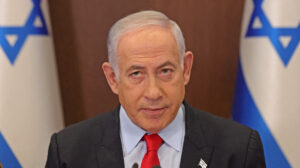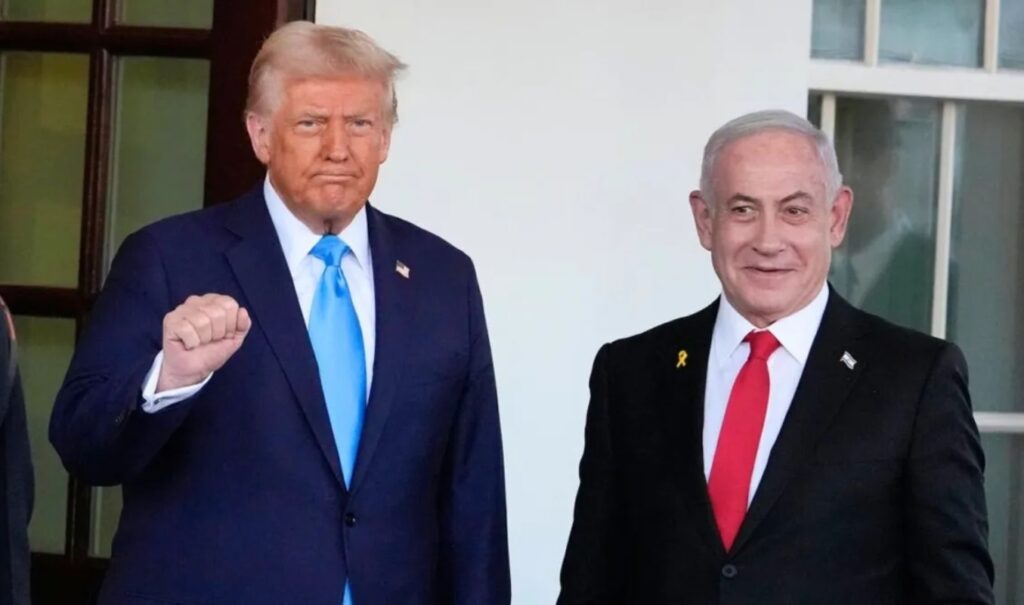
The United States and Israel are determined to project a warm relationship, yet information leaking from sources paints a very different picture of the dynamic between Donald Trump and Benjamin Netanyahu. The U.S. President reportedly asked the Israeli Prime Minister to order a withdrawal — or at least a pullback — of the Israel Defense Forces (IDF) from both Syria and Lebanon. According to an Axios report, the request came during a phone call between the two leaders on Thursday, July 9, during which Trump reportedly told Netanyahu, “They don’t want you there” — a statement that speaks volumes about what he was demanding.
Trump and Netanyahu both have elections ahead
Netanyahu, according to sources familiar with the matter, has significant domestic pressures of his own — pressures that intertwine with those faced by the U.S. President. Notably, both leaders are facing elections. For Netanyahu, the stakes are existential: if he loses power, he faces criminal prosecution. On the other side, Trump has the midterm elections looming and is under considerable pressure — not only from the opposition but also from competing factions within the Republican Party itself. Axios did publish a statement from an American official insisting that “there has been no greater friend to Israel and no more determined champion of peace than President Trump,” while emphasizing that the two leaders share a very warm relationship.
Netanyahu isn’t budging
Benjamin Netanyahu is widely expected to refuse Trump’s request. For him, all the organizations he designates as terrorist groups — including Hamas in Gaza and Hezbollah in Lebanon — represent a core strategic concern. Israel currently controls territory in both Syria and Lebanon, and shows no intention of relinquishing it. Trump, for his part, while rejecting a ceasefire with Iran, told Netanyahu that the presence of Israeli forces on Syrian soil is generating tensions and risks triggering a broader escalation. “They don’t want you there. You need to pull back,” the U.S. President reportedly said, adding that the same applies to Lebanon.
Following that warning, Netanyahu shifted to diplomacy, raising the issue of establishing security zones along Israel’s borders — as confirmed in a statement from his office. According to Netanyahu and his government, Israel’s presence in those areas allows it to prevent an invasion like the one that occurred on October 7, 2023. Senior Israeli officials are pushing to retain control of these strategic gains indefinitely, and have even floated the idea of establishing Israeli settlements in the area.
What Trump discussed with Syria’s president
Trump’s phone call with Netanyahu came after the U.S. President met on the sidelines of the NATO Summit in Ankara with Syrian President Ahmad al-Sharaa. The United States has been unable to broker a security agreement between Israel and Syria. However, according to American officials, Trump concluded that Netanyahu was unwilling to make the concessions Washington was seeking — including a phased withdrawal of Israeli forces from Syrian territories seized following the collapse of the Assad regime in December 2024. Israel’s military presence in those areas has been far from peaceful. In recent weeks, several incidents have been recorded in southern Syria, where residents have protested against the Israeli military presence and clashed with Israeli soldiers.
On Tuesday, American mediators met in Rome with Israeli and Lebanese diplomats to discuss the implementation of the framework agreement signed by both sides several weeks ago. Under that agreement, Israel committed to withdrawing its forces from two “pilot zones” it still controls in southern Lebanon and to allowing the Lebanese army to deploy in those areas. However, Israeli forces have yet to withdraw. The Lebanese government is demanding that the process begin immediately and is calling for a clear timeline for further withdrawals.
Israeli officials argue that before relocating, their forces must first verify that no Hezbollah weapons or military infrastructure remain in the “pilot zones.” The Lebanese side, however, insists that this assessment should be carried out by the U.S. military.