Greece opens doors to hedge funds: Tax incentives for executives from London, Asia and the Middle East
Greece unveils new tax incentives for hedge fund managers and financial executives relocating from London, Asia, and the Middle East to Athens.
Greece unveils new tax incentives for hedge fund managers and financial executives relocating from London, Asia, and the Middle East to Athens.
Oil prices fall near $78/barrel after US-Iran peace deal ends 108-day conflict, with Brent and WTI both dropping sharply on easing tensions.
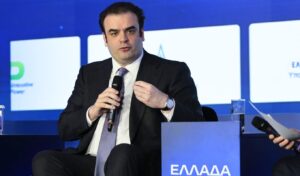
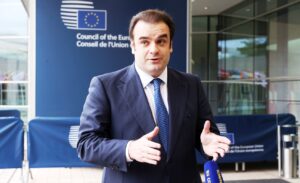
The Minister of National Economy and Finance and President of the Eurogroup, Kyriakos Pierrakakis, expressed the view that “Greece stands at the threshold of a period of significant opportunities, having now achieved political and economic…
Greece’s finance minister confirms fiscal space for new support measures ahead of the Thessaloniki International Fair, targeting incomes, debt relief, and cost of living.
Greece’s labor market posts its best April performance since 2001, with 145,209 net new jobs added and a record-breaking four-month employment balance.
Greece launches PosoKanei.gov, a real-time price comparison platform replacing e-Consumer, helping shoppers find the best supermarket deals.
Greece’s Tourism for All 2026 program expands eligibility, raises income limits, and offers up to €600 in travel vouchers for families and people with disabilities.
Greece unveils 7 major debt relief measures for 1.5M debtors, including a 72-installment plan, Swiss franc loan cuts up to 50%, and home protection.
Greece’s omnibus bill introduces 7 key changes: hybrid tax extension, €1,600 protected bank balance, Swiss franc loan relief, and more.
Greece names Christofferson, Robb & Co as provisional contractor for its new Property Leaseback Agency, set to launch this autumn to protect vulnerable homeowners.
Greece’s market watchdog fines Tottis Bingo €309,339 for profit margin violations and seizes thousands of counterfeit goods in separate enforcement action.
Yum Brands is selling Pizza Hut for $2.7 billion in two deals — to LongRange Capital and Yum China — as it refocuses on KFC and Taco Bell.