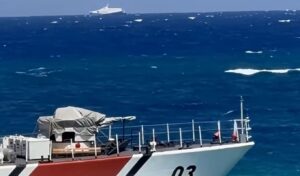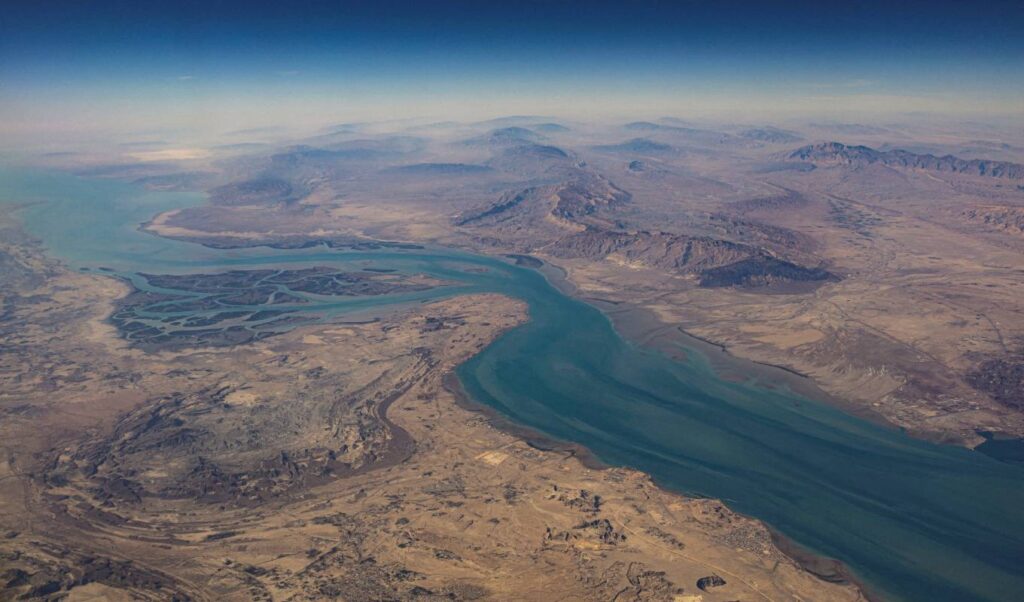
At least two missiles were fired by Iran’s Islamic Revolutionary Guard Corps (IRGC) at commercial vessels transiting the Strait of Hormuz, according to a U.S. official who spoke to Axios.
Axios: IRGC strikes two commercial ships in the Strait of Hormuz
According to the American official, two commercial ships were struck and sustained significant damage, with no reports of casualties or loss of life.
🚨🇮🇷🚢The IRGC fired at least two missiles at commercial ships transiting through the strait of Hormuz, a U.S. official told me
🚨🇮🇷🚢The U.S. official said two commercial ships were hit and suffered significant damages, but no casualties— Barak Ravid (@BarakRavid) July 7, 2026
UKMTO reports tanker attack
Earlier, the United Kingdom Maritime Trade Operations (UKMTO) reported that a tanker had been struck on its port side by an unknown projectile while sailing southbound, approximately 8 nautical miles east of the Limah area in Oman, near the Strait of Hormuz.
“A tanker reported being struck on its port side by an unknown projectile, resulting in a fire breaking out, while sailing in a southerly direction,” UKMTO stated in its announcement, adding that there were no injuries among the vessel’s crew members and no environmental pollution as a result of the incident.
UKMTO WARNING 080-26 – ATTACK
Click here to view UKMTO Products⤵️ https://t.co/Oc7hGsk3Do#MaritimeSecurity #MarSec pic.twitter.com/uK8cm9a76M
— UKMTO Operations Centre (@UK_MTO) July 6, 2026
A murky picture
Commercial shipping traffic dropped dramatically as a result of the war in the Middle East from March 1, when Iran effectively closed this vital sea lane in retaliation for the American-Israeli offensive that began on February 28. The United States responded in turn by imposing a blockade on Iranian ports in the Gulf.
International shipping resumed after a memorandum of understanding was signed by the presidents of the United States and Iran on June 17, ahead of negotiations aimed at reaching a definitive end to the war. However, Tehran continues to insist, despite Washington’s objections, that there will be no return to the pre-war status quo — when transit was free of charge — and has threatened ships attempting to bypass the only route it currently permits, running along the Iranian coastline.
Previous attacks preceded this incident
In late June, two vessels were struck by projectiles of unknown origin — the attacks were attributed to Tehran by the U.S. military, which launched strikes against Iran two days later. The Islamic Republic retaliated by firing missiles and unmanned aerial systems at neighboring Gulf states, particularly Kuwait and Bahrain. The parties subsequently reached an understanding and suspended hostilities.
The Strait of Hormuz sits astride the primary maritime route linking the oil-producing nations of the Middle East to the rest of the world, and above all to Asian markets. In 2024, approximately 20 million barrels of crude oil passed through the strait on a daily basis — equivalent to nearly 20% of all liquid petroleum consumed globally, according to the U.S. Energy Information Administration (EIA).