Donald Trump is facing intense bipartisan pressure to cancel the deal he struck with Vladimir Putin on Russian diesel exports. Twelve U.S. senators — six Republicans and six Democrats — argue that lifting restrictions on Russian energy exports will financially strengthen Moscow and undermine efforts to end the war in Ukraine. In an open letter to the American president, the lawmakers describe the deal as a “betrayal of the Ukrainian people” and demand its cancellation, warning that allowing Russian energy products to flow freely into international markets could provide the Russian government with significant new revenue. Their intervention carries particular political weight, as the criticism comes not only from the opposition but also from members of Trump’s own party.
Read also: Donald Trump pessimistic about midterm elections: “Equally tough battle in both the House and Senate” (Video)
What the 12 senators say about the Russian diesel deal
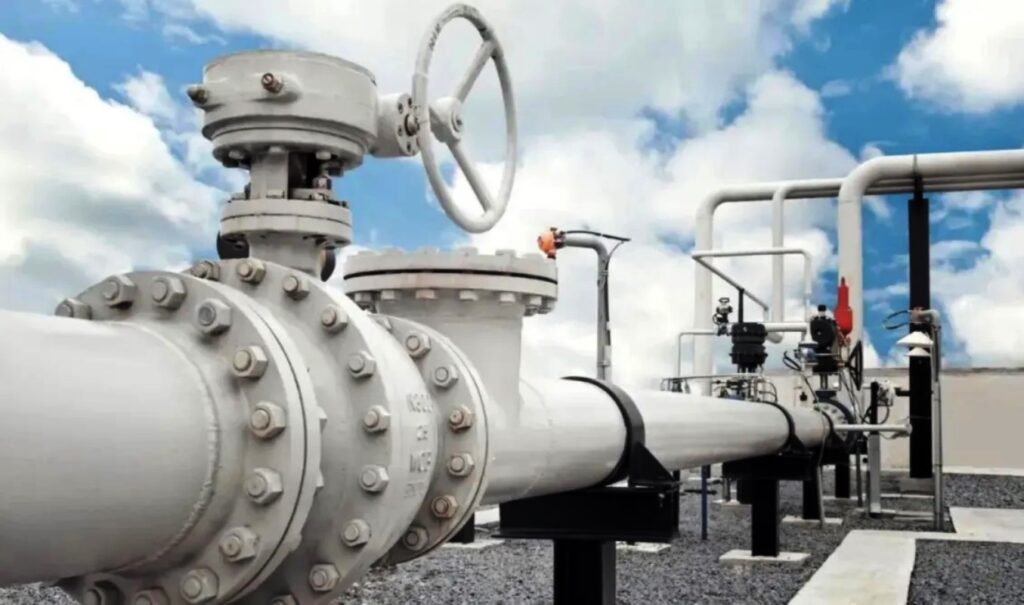
In their letter, the senators directly challenge the benefits of the October 9th agreement between the American and Russian presidents, arguing that easing sanctions serves neither Ukraine nor the United States. “The deal you reached with President Vladimir Putin on October 9th will not lead to fair outcomes, nor will it benefit Americans,” they state, adding that the anticipated lifting of U.S. sanctions on Russian diesel exports “will allow Putin to further fund his war machine.”
The signatories draw a direct link between allowing Russia to sell diesel freely and boosting Moscow’s economic capacity, raising serious concerns about the implications for U.S. foreign policy. “Allowing Moscow to freely sell Russian diesel on international markets harms U.S. security interests and constitutes a betrayal of the Ukrainian people,” they write, adding that “this deal is a gift to our adversary and a betrayal of our allies. It must be cancelled.” With these words, they urge the White House to reverse its decision and maintain economic pressure on Russia.
Senators call for increased pressure on Moscow and China
The twelve senators remind the administration that Congress has recently passed a new package of sanctions against Russia and urge the president to use economic measures as a negotiating tool. In their letter, they call on him “to apply economic pressure on Russia and the primary enablers of this war, especially China,” arguing that this approach would strengthen Washington’s position at the negotiating table and create conditions to bring “this devastating war to a swift end.”
Their stance highlights a deeper disagreement over how economic sanctions against Moscow should be used. The senators believe that easing sanctions would reduce pressure on the Russian leadership, while maintaining or strengthening them could, in their view, give Washington significantly greater negotiating leverage.
Which Republicans and Democrats signed the letter
On the Republican side, the letter was signed by Mitch McConnell of Kentucky, Thom Tillis of North Carolina, Susan Collins of Maine, Allen Armstrong of Oklahoma, Lisa Murkowski of Alaska, and John Cornyn of Texas. The six Democrats who joined them are Richard Blumenthal of Connecticut, Jeanne Shaheen of New Hampshire, Richard Durbin of Illinois, Sheldon Whitehouse and Jack Reed of Rhode Island, and Chris Coons of Connecticut.
This latest letter is not the first bipartisan intervention on the issue. On Sunday, Susan Collins, Lisa Murkowski, and Thom Tillis had already co-signed a statement with Democratic senators calling on Trump to cancel the deal, citing U.S. law that prohibits the importation of Russian energy products until the war in Ukraine ends. Notably, John Cornyn, Mitch McConnell, and Thom Tillis are not seeking re-election in November’s midterm elections.
Trump dodges questions on war financing
Earlier on Tuesday, the president was asked to respond to the deal — and specifically to the possibility that Russia could use diesel sales revenue to purchase weapons. Donald Trump avoided answering the question directly, even as criticism from Congress continues to mount.
The letter from the twelve senators reflects a clear bipartisan opposition to the October 9th agreement, centered on concerns about what easing sanctions could mean for Russia’s economic ability to sustain the war. The signatories are calling on the U.S. government to cancel the deal and pursue a policy of increased economic pressure on Moscow, arguing that this approach better serves American interests and efforts to bring the hostilities to an end.