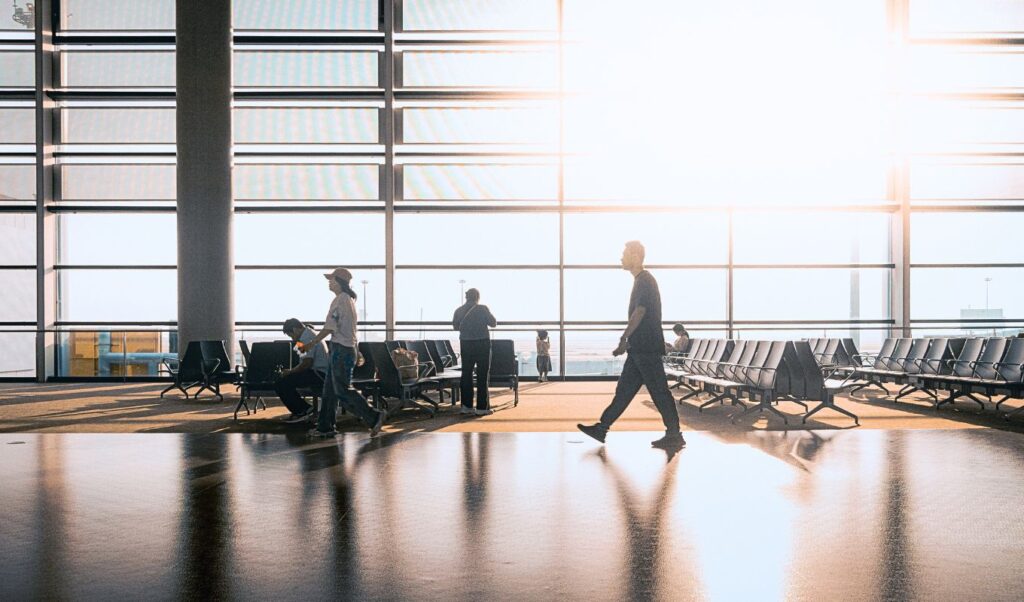
The Manchester Airports Group (MAG) has fallen victim to a large-scale cyberattack, resulting in the personal data of millions of customers being leaked from three major airports across the United Kingdom. The group announced on Thursday (26/08) that the attack did not affect flights or cause any operational disruptions at the airport facilities.
Read also: US thwarts Chinese cyberattack targeting NASA, the Fed, and the Department of Justice
UK airport cyberattack: what data was stolen
According to the operator of Manchester Airport, London Stansted Airport, and East Midlands Airport, the attack has compromised the data of 8.7 million travelers. The information stolen by the hackers includes email addresses, phone numbers, postal codes, and vehicle registration plates.
The incident “caused no operational disruption” and “airport operations remain unaffected,” MAG confirmed in a press release.
“At no point was passenger safety or aviation security compromised,” the group added, noting that payment and banking details were also unaffected.
MAG attributed the breach to an “unauthorized third party,” without providing further details.
The hackers gained access to “customer data relating to parking, lounge and Fast Track bookings, as well as Wi-Fi registrations at airport terminals,” the group clarified.
“We immediately contained the threat and are working with specialist advisors, taking the appropriate steps to protect our customers and systems,” the company added.
The attack took place over the weekend
According to the company, the cyberattack occurred over the weekend, with MAG being notified of the incident two days later.
Following the discovery of the breach, the company took immediate action to contain the threat and is now working with specialist cybersecurity advisors to investigate the attack and strengthen the protection of its systems and customers.
Despite the scale of the breach, MAG has assured the public that all three airports continue to operate normally, with no impact on flights or passenger services.