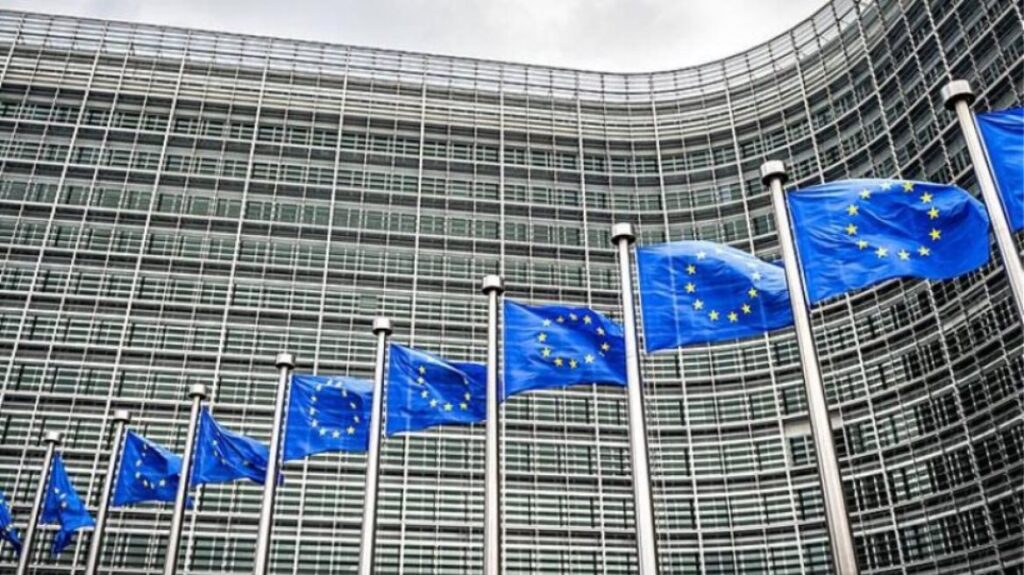
The European Commission has approved Greece’s Social Climate Plan, worth €4.8 billion, aimed at supporting vulnerable households, transport users, and micro-enterprises through the green transition. According to the Commission’s announcement, this is the fifth and largest national plan approved to date under the Social Climate Fund.
The investments and reforms supported through Greece’s Social Climate Plan (2026–2032) are expected to contribute to a reduction in emissions of 811,000 tonnes of CO₂ equivalent per year by 2032.
The European Commission’s full announcement on the Social Climate Plan
“Today, the European Commission approved Greece’s Social Climate Plan. This is the fifth and largest national plan approved to date under the Social Climate Fund. The Fund will use revenues from emissions allowances to promote the clean transition and support vulnerable consumers and businesses. The plan was developed by the Greek authorities in cooperation with the Commission.
Once implemented, the investments and reforms supported through Greece’s Social Climate Plan (2026–2032) are expected to contribute to a reduction in emissions of 811,000 tonnes of CO₂ equivalent per year by 2032.
The plan will mobilise a total of €4.77 billion by 2032, of which €3.57 billion (75%) will come from the EU and €1.2 billion (25%) from national resources. Greece will be able to request its first payment from the Commission once implementation of the plan begins and the required milestones are achieved.
The Social Climate Fund has been designed to support measures and investments in the areas of energy efficiency, building renovation, clean heating and cooling, and the integration of renewable energy sources. It will also support the development of zero-emission mobility and transport.
The Fund will operate from 2026 to 2032 and is expected to mobilise at least €86.7 billion across the EU, combining revenues from the new emissions trading system for fuel combustion in buildings, road transport, and other additional sectors (ETS2), together with national contributions from member states.”
Source: ERT