The confrontation between the United States and Iran is entering a dangerous new phase of escalation, as military strikes continue to be exchanged on both sides, international markets remain on edge, and fears of fresh energy price shocks intensify. All of this is unfolding as US President Donald Trump prepares to address the nation in a speech expected to outline Washington’s next steps. In this unfolding war drama, reversals appear to be the dominant theme — the temporary ceasefire signed last month has suddenly collapsed, giving way to renewed escalation. The question of why yet another ceasefire attempt has fallen through has no simple answer. What is certain is that the memorandum of understanding was intended to pave the way for further negotiations and a permanent ceasefire agreement — yet the path back to the negotiating table has reached a dead end.
The United States has claimed that Iran attacked seven commercial vessels over the past week, resulting in nearly twelve crew members being killed, missing, or wounded. India announced that it had filed an official protest with Iran, as two Indian nationals were among the sailors killed. On Tuesday evening, the US naval blockade of Iranian ports was reinstated, preventing ships from moving to and from Iranian ports and coastal areas — a blockade that had previously been lifted as part of last month’s agreement between the two countries. If nothing else, the dispute over the Strait of Hormuz has emerged as one of the central flashpoints of the conflict.
Strait of Hormuz: New fears and the blockade
The Islamic Revolutionary Guard Corps (IRGC), for its part, declared that the Strait of Hormuz would remain closed until “the end of American wrongdoing,” as they characteristically stated. In response to the reinstatement of the US blockade, the IRGC warned Washington that it should “expect the closure of other oil and gas export routes serving the interests of the United States and its allies.” They did not specify which routes could be affected.
Meanwhile, Iranian state television reported that the Iranian military carried out separate strikes against American targets in Jordan, Kuwait, and Bahrain. US allies also announced that they had intercepted drones and missiles launched from Iran.
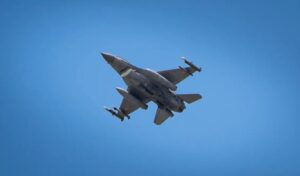
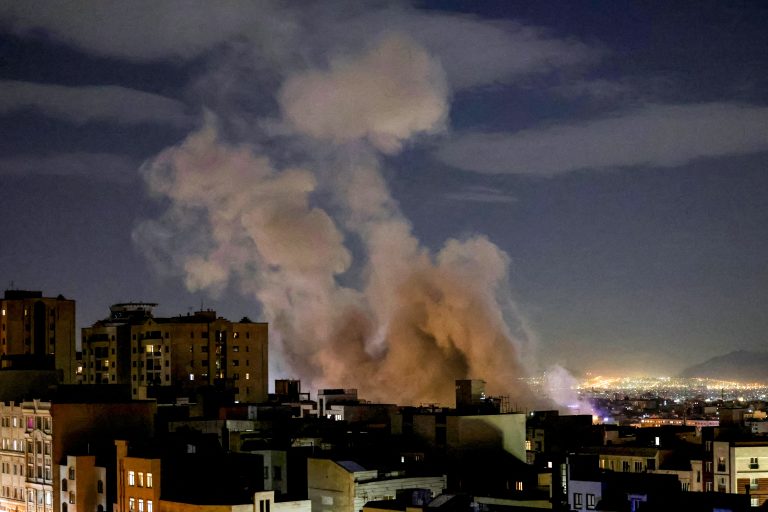
The United States struck Iran late Tuesday, hitting dozens of military targets near the Strait of Hormuz and along Iran’s coastal areas in operations that lasted seven hours.
In response, the IRGC announced that it had struck American military targets in the region, including in Bahrain, Kuwait, and Jordan.
Iran’s next moves
Analysts believe that Iran may attempt to use its Houthi allies in Yemen to close the Bab el-Mandeb strait leading to the Red Sea, opening a new front against Washington and putting two of the world’s most critical energy corridors at risk.
This narrow maritime passage connects the Red Sea to the Gulf of Aden, through which Saudi Arabia’s oil exports and a significant share of global shipping traffic pass.
The developments have had an immediate impact on energy markets. Oil prices rose on Wednesday as the US announced a new wave of strikes against Iranian military installations, aimed at limiting Tehran’s ability to attack commercial vessels in the Strait of Hormuz.
Investor outlook
UBS analyst Giovanni Staunovo noted that the new US naval blockade provided a further boost to prices, pointing out that Iranian crude oil exports had stood at approximately 1.5 to 2 million barrels per day over the past two weeks.
Goldman Sachs estimated that Gulf exports had recovered to levels above 80% compared to the period when the US-Iran memorandum of understanding was announced in June, but fell back below 50% — to around 11 million barrels per day — over the past week.
The international investment bank warned that Brent crude could surpass $110 per barrel in the fourth quarter of the year if Gulf export flows continue to face disruptions.
Despite the latest price surge, markets continue to price in developments with caution, as the conflict shifts almost daily and every new military or diplomatic move has the potential to upend the situation entirely.