Tehran presents a more restrained picture regarding the ceasefire between the USA and Iran while the US insists that the agreement with Iran “is very close.” Although officials acknowledge that progress has been made, they do not confirm many of the details emerging from American media and Washington officials. Most notably, the opening of the Strait of Hormuz is the most “unclear” point among those that both sides reportedly agreed upon in the 60-day ceasefire preliminary agreement.
Read: New York Times: Iran agreed to hand over uranium stockpiles – “Deal almost ready,” says Trump
Iran: What applies to uranium, what they say about the Strait of Hormuz
One of the “unclear” points of the memorandum concerns uranium. US reports indicate that Iran agreed to hand over its stockpile of highly enriched uranium as part of an agreement, according to official sources. Tehran has not confirmed this news.
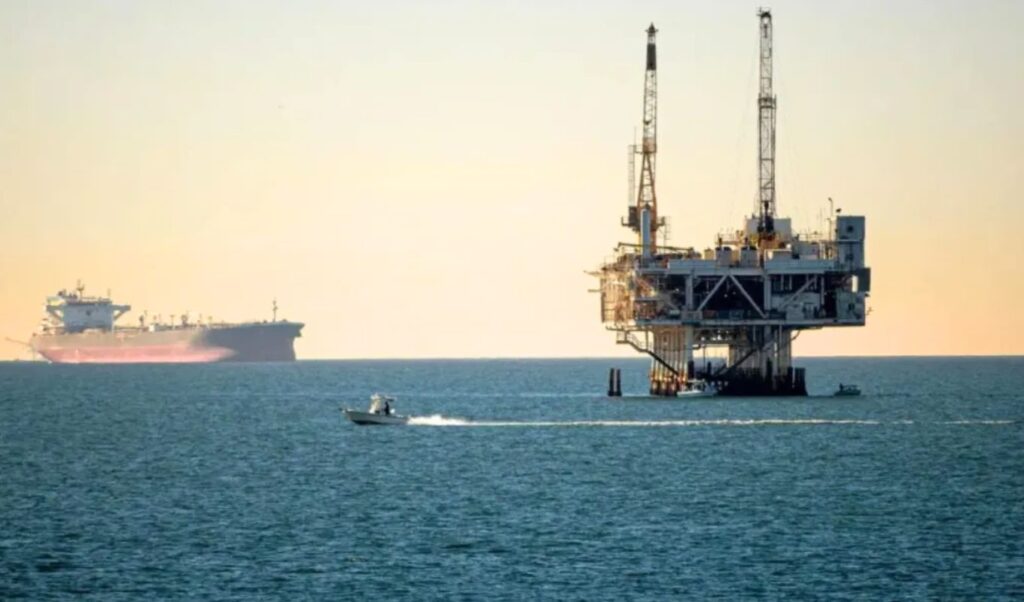
Meanwhile, it denied the “complete opening” of Hormuz as part of the bilateral agreement, emphasizing through an official that it would not return to pre-war status. According to Iranian media, Tehran demands a 30-day adjustment period for implementing measures related to the US naval blockade. Only when this is lifted, they say, will they reopen the passage. They also emphasize that there is no commitment to nuclear concessions, as US reports suggested that Tehran plans to hand over uranium stockpiles to Washington.
What the memorandum provides according to Iranian media
The memorandum – if finally agreed upon – between Washington and Tehran could lead the US to lift sanctions on Iranian oil during negotiations. This would allow Tehran to proceed with its exports, according to the state news agency Tasnim.
Iran’s Foreign Ministry spokesperson mentioned that “disagreement points have been reduced,” however, he denied that the two countries are close to an agreement as they haven’t reached consensus on key points and accused the US of contradictory statements.
Key points of the memorandum according to Iranian media:
End of conflicts
A memorandum of understanding between the two sides is expected to be the first step, emphasizing the end of conflicts throughout the region, including Lebanon.
This would require Israel to halt its military operations there.
Strait of Hormuz
A 30-day period is proposed for implementing measures related to the US naval blockade. Once the blockade is lifted, Iran will reopen the maritime route. However, officials maintain that conditions will not fully return to pre-war levels, although normal navigation will continue. Tehran reportedly emphasized its sovereignty over the strait.
Nuclear talks
Talks on Iran’s nuclear program will last 60 days, although Tehran has not yet committed to specific concessions.
As an initial step, part of Iran’s frozen assets could be released, which Iran presents as a response to its previous “negative experiences” with the US and Israel. Tehran also seeks a clear mechanism for releasing remaining funds, warning it may reconsider continuing negotiations if no relevant agreement is reached.
Pakistan: “A substantial step closer to regional peace”
In his post, Pakistan’s Foreign Minister Mohammad Ishaq Dar stated he had a phone conversation with Trump. As he said, this “significant” conversation was “a substantial step closer to regional peace.”
“The achievements of these negotiations offer reasons for optimism that a positive and lasting outcome is achievable,” he added. He also praised Trump’s “leadership” and “commitment to dialogue and diplomacy.”