Cuba’s diplomacy accused U.S. Secretary of State Marco Rubio of “lying,” after he assured that the U.S. does not impose an oil blockade on Cuba, claiming that the energy crisis on the island under communist government is due to economic mismanagement by Havana. Rubio “simply chose to lie,” to “contradict the (U.S.) president (Donald Trump) and White House spokesperson” Caroline Leavitt, denying the “criminal oil blockade that he himself proposed” to the Republican leader of the American state, commented Cuban Foreign Minister Bruno Rodriguez via X.
The island’s oil suppliers are “intimidated and threatened in violation of free trade rules and freedom of navigation,” he added. Rodriguez denounced the new sanctions announced by U.S. President Trump on May 1st that mainly affect the energy sector. “The minister (Rubio) knows very well the damage and suffering caused to the Cuban people by the criminal oil siege” that he had personally proposed, he insisted.
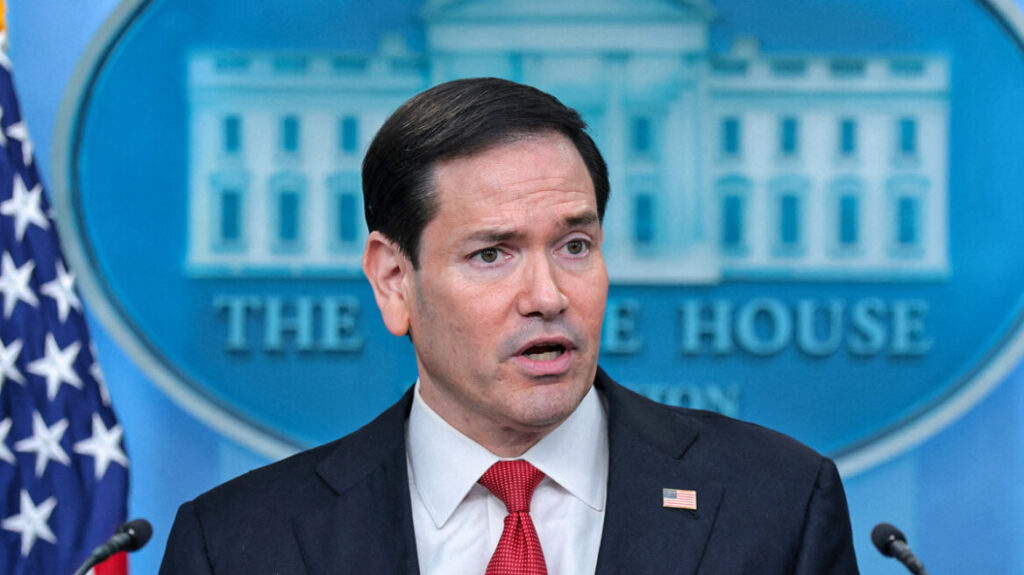
“There is no oil blockade on Cuba per se,” the head of American diplomacy said earlier during a White House press conference.
Marco Rubio: No one gives away oil for free, much less to a bankrupt regime
“Cuba had become accustomed to receiving free oil from Venezuela. They took 60% of that oil and resold it to secure foreign currency. They weren’t benefiting the people,” Marco Rubio continued.
“The only blockade that exists is that Venezuela’s leaders decided that (…) we won’t give you oil for free anymore” and “no one gives away oil for free, much less to a bankrupt regime,” according to him.
Almost simultaneously with the overthrow of former Venezuelan President Nicolas Maduro, Havana’s ally, who was captured in a U.S. military operation in Caracas in early January, Washington began implementing a maximum pressure policy on the Caribbean island, which has been under American embargo for over six decades.
In late January, Donald Trump signed a presidential executive order emphasizing that Cuba, located just 150 kilometers from Florida, poses an “exceptional threat” to U.S. national security and threatened American retaliation, in the form of tariffs, against any country that sells or delivers oil to Havana.
Since then, Washington has allowed the arrival of only one Russian oil tanker.
Cuba’s “economic model” “doesn’t work” and “those in power cannot fix” the situation, argued Rubio, who built his political career in Florida based on anti-Castro support.
“Worse than being a communist is being an incompetent communist,” Marco Rubio quipped.
The U.S. Secretary of State is expected to visit the Vatican on Thursday, which historically plays a mediating role between Washington and Havana. “We would be particularly pleased to discuss the Cuba issue,” said Rubio, who is expected to meet with Pope Leo XIV.