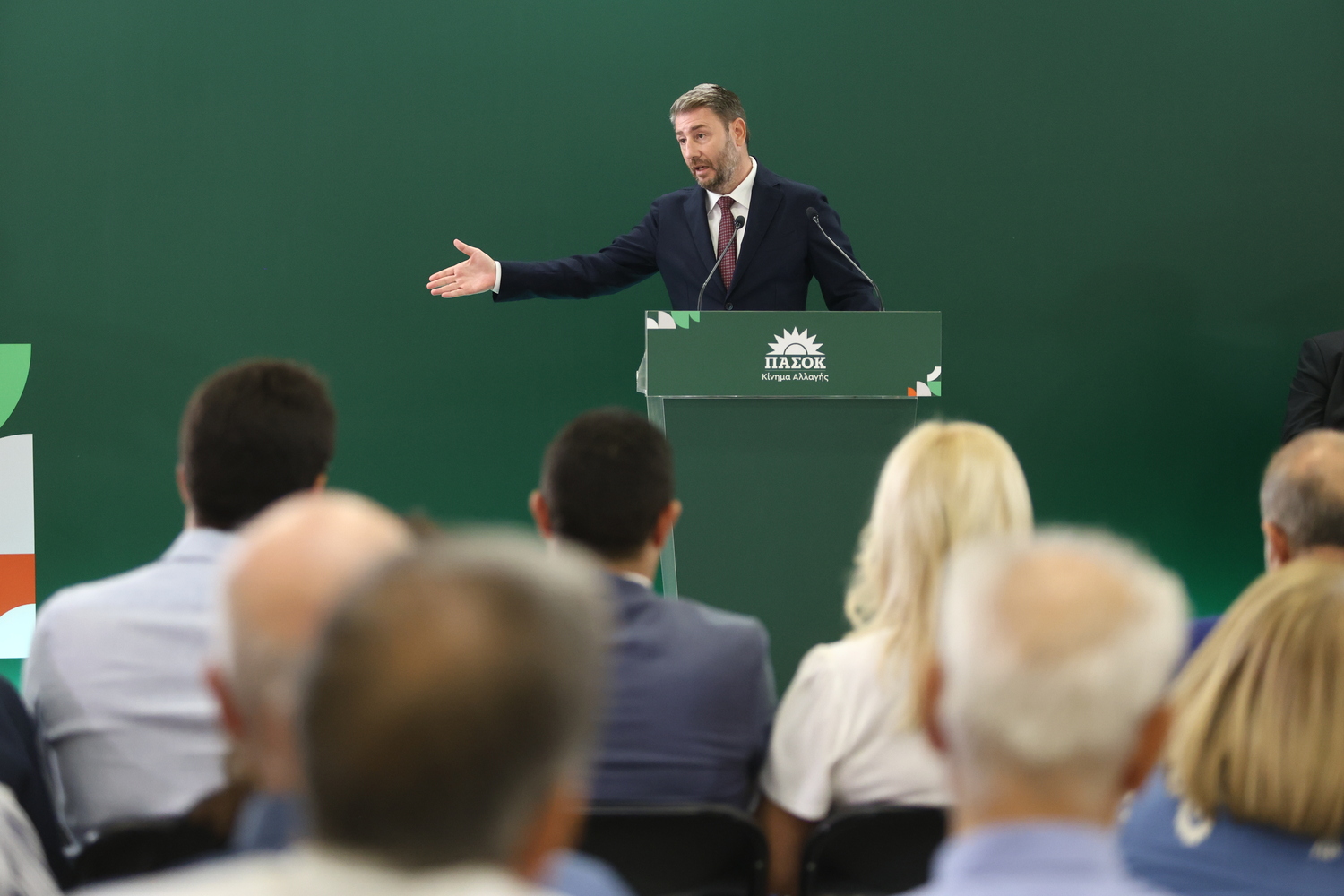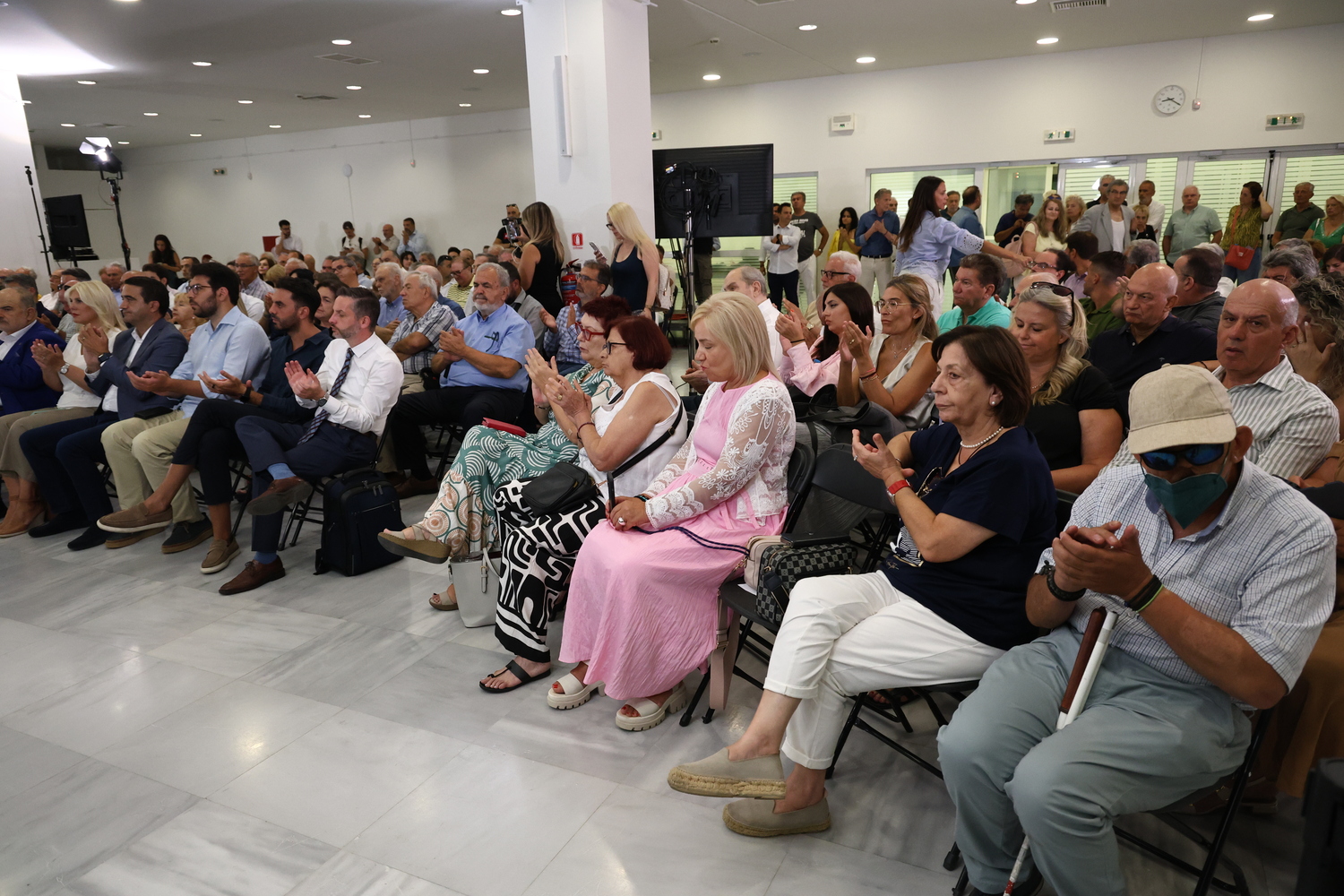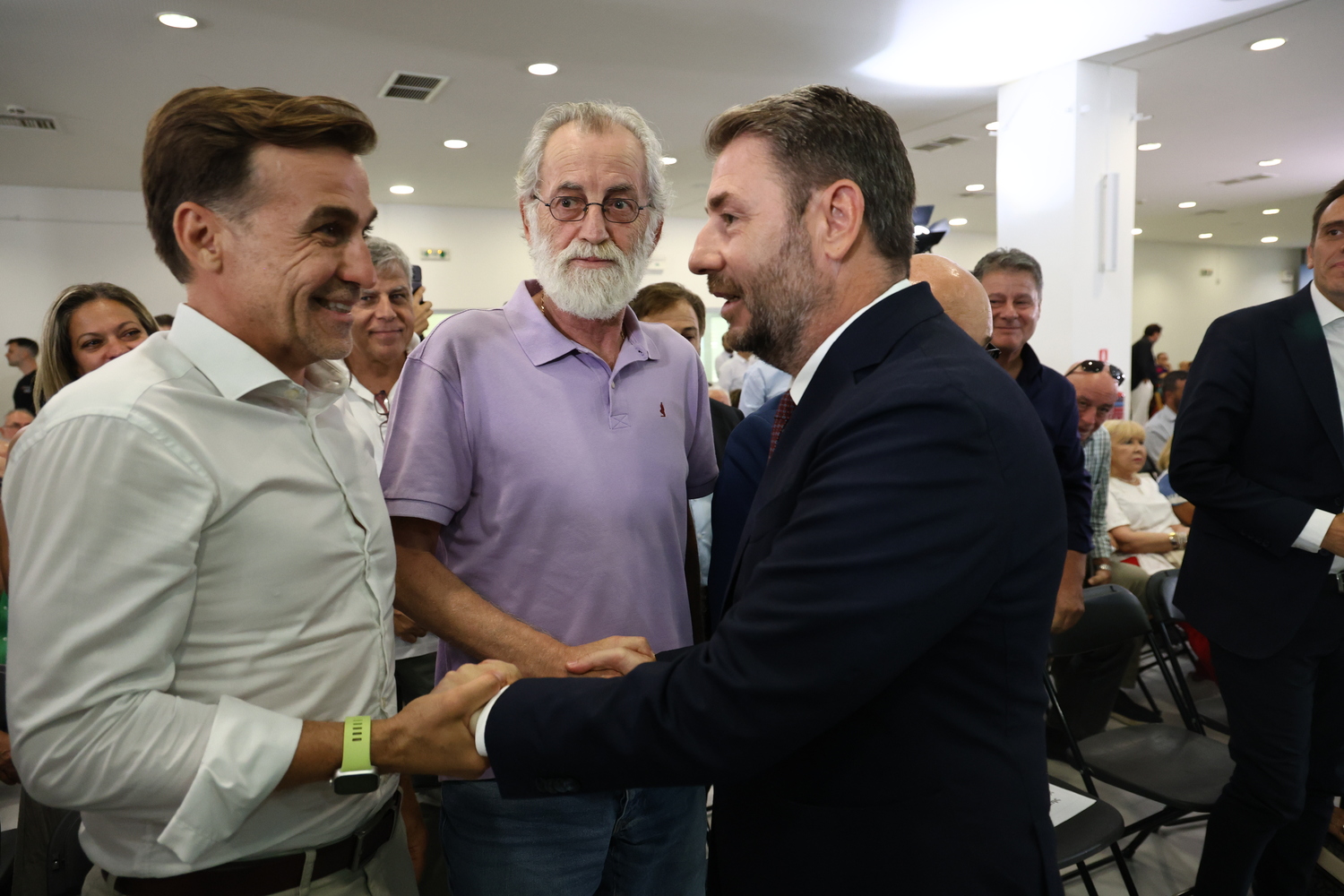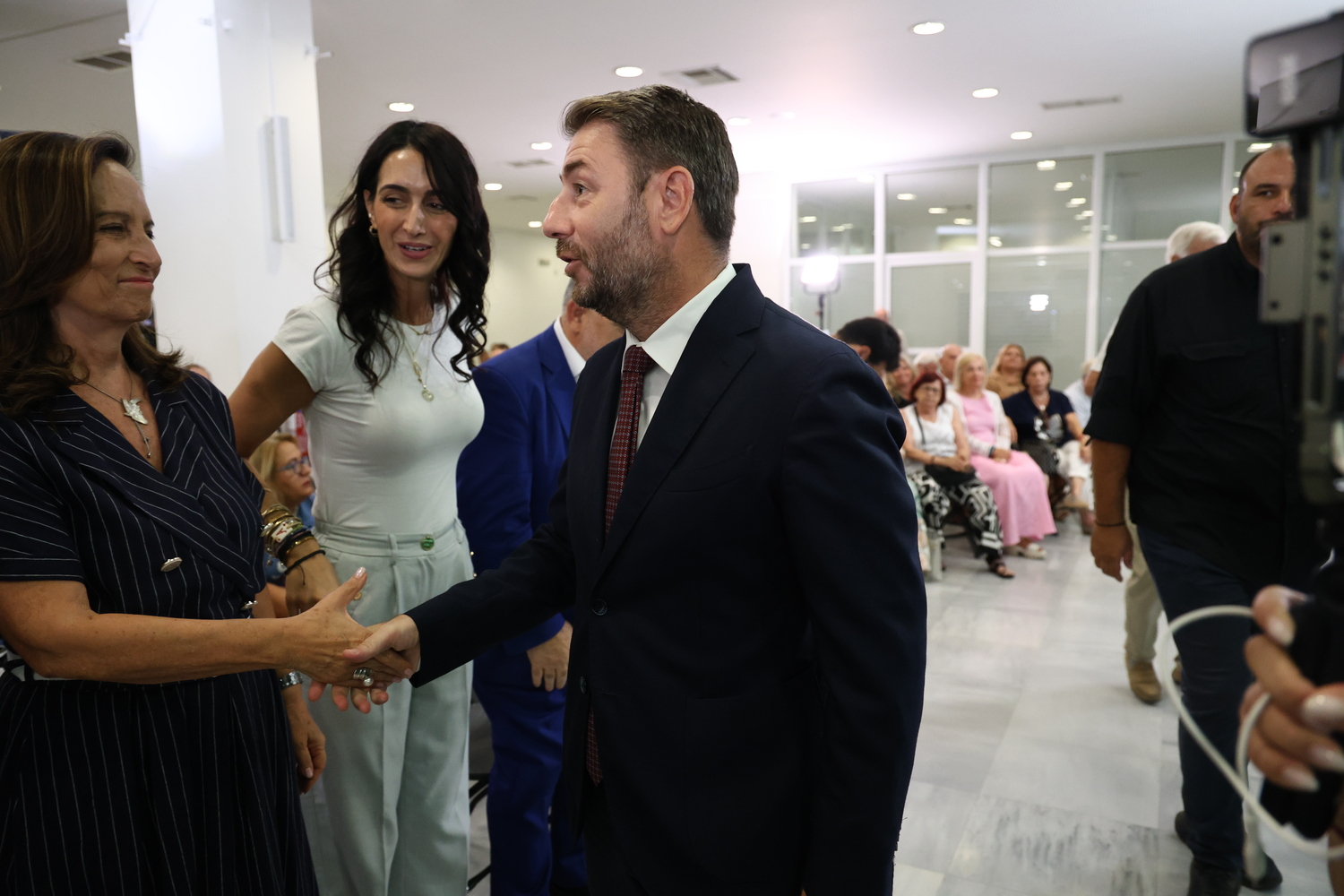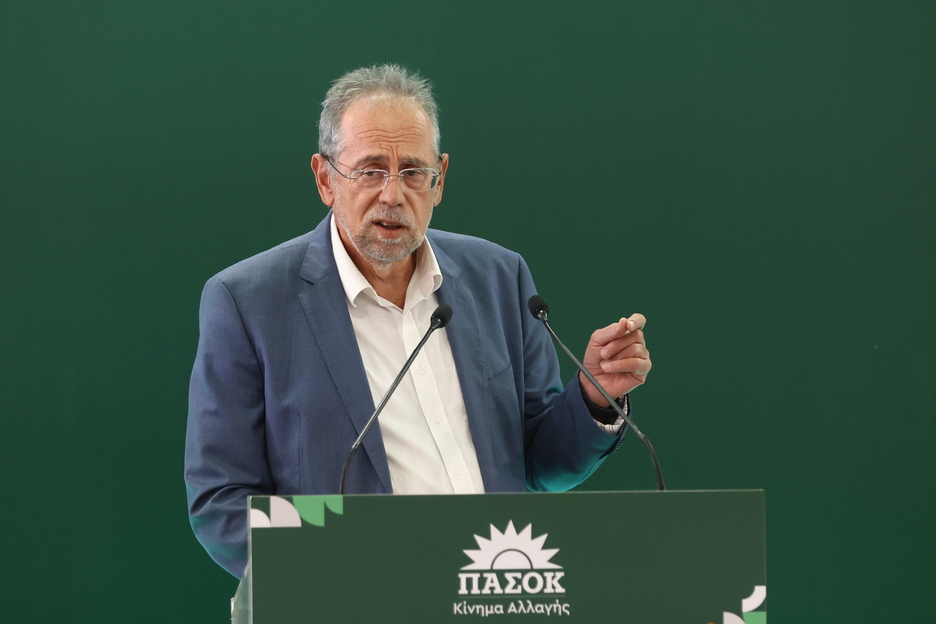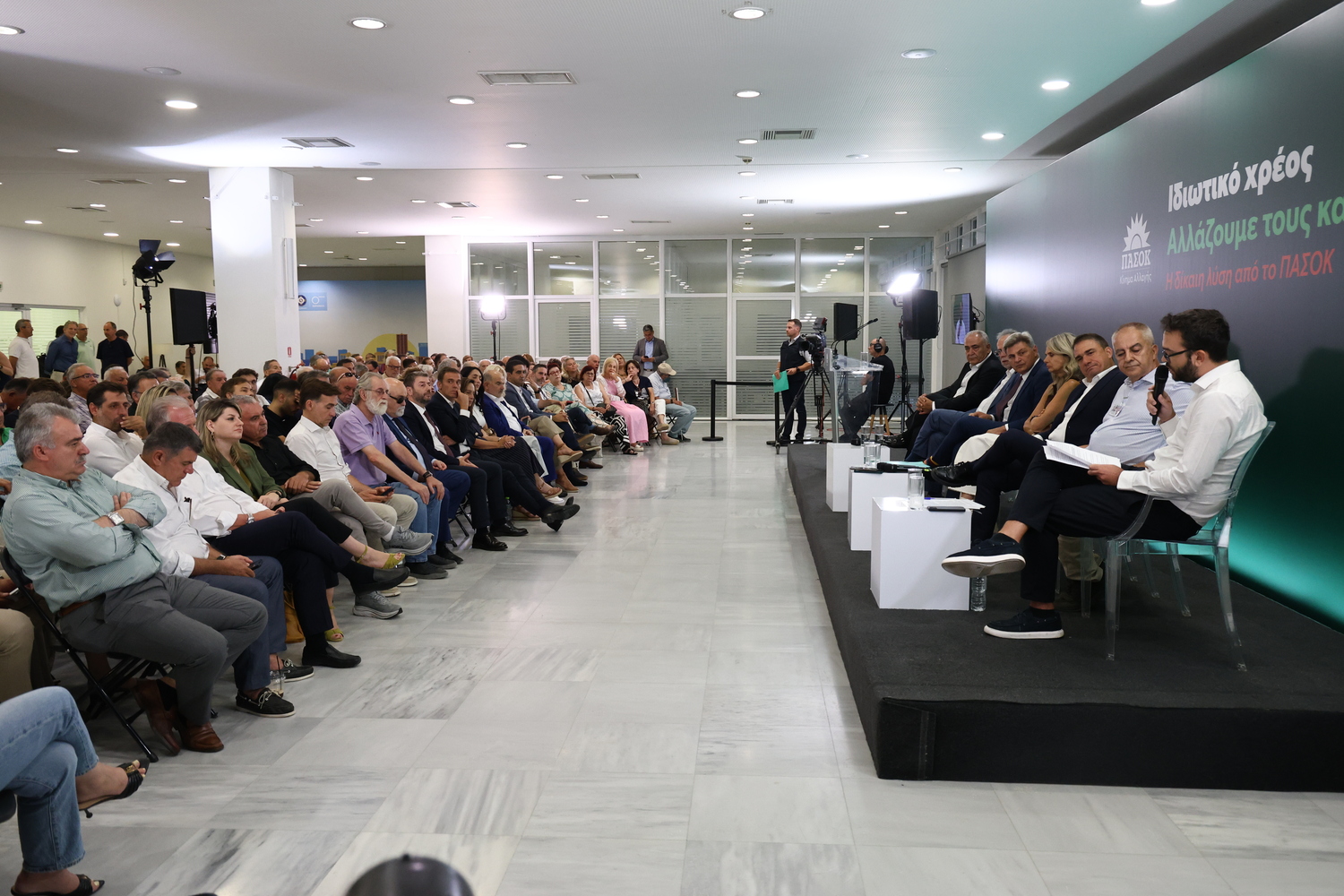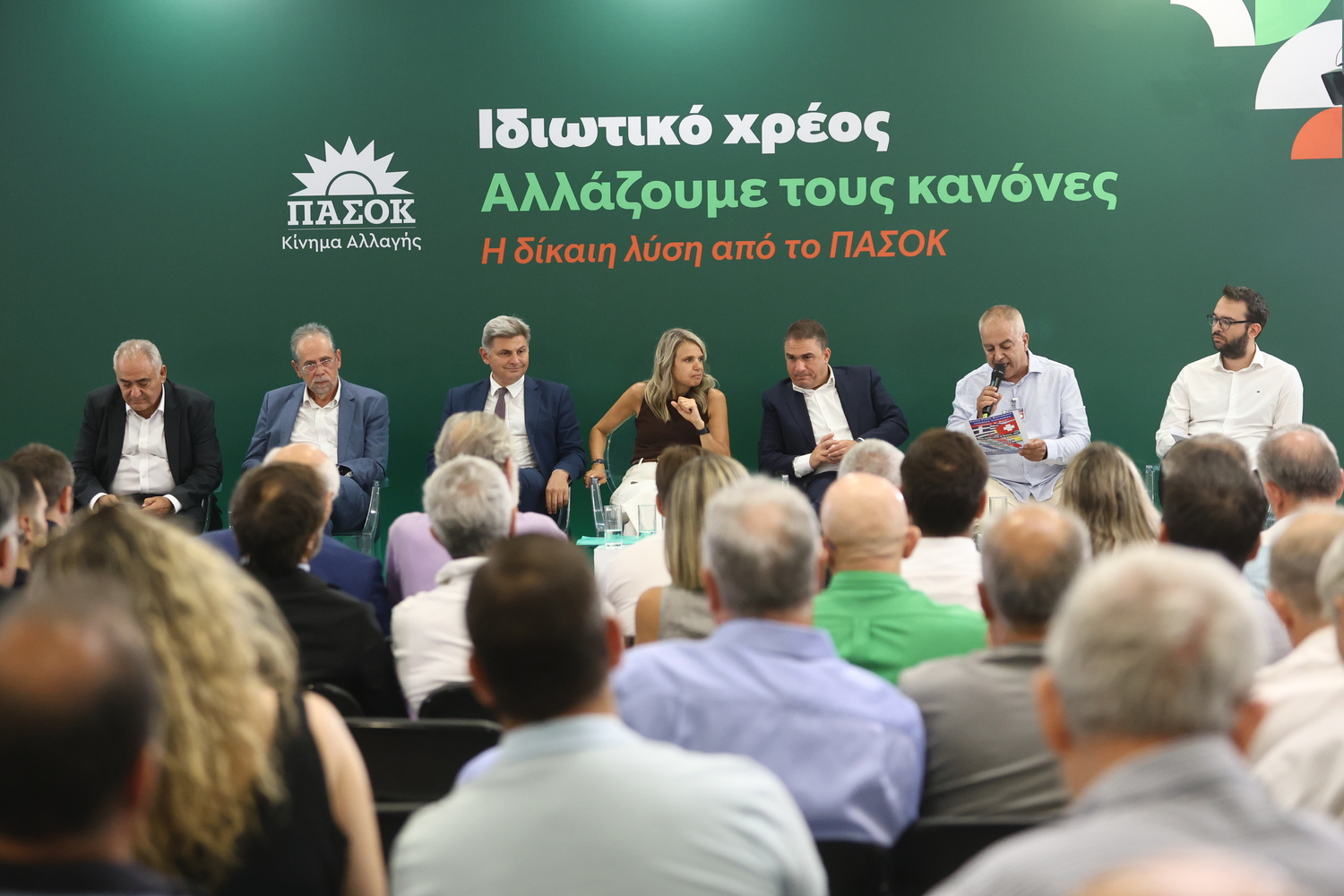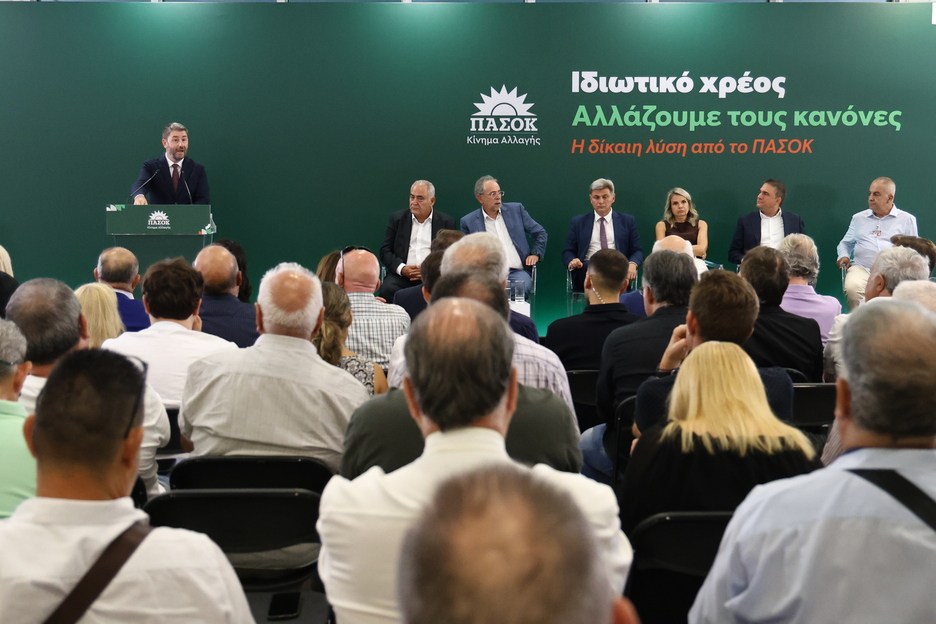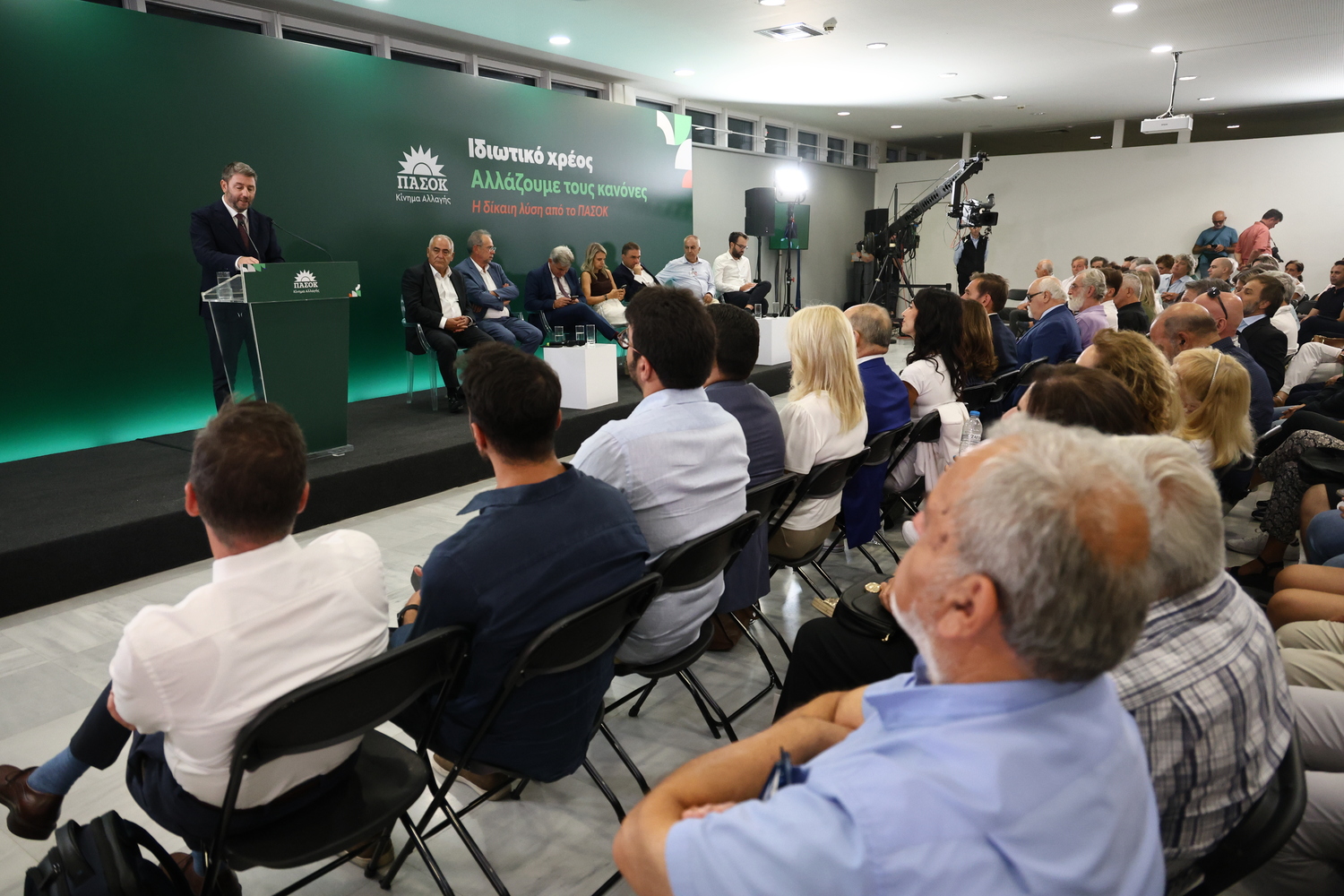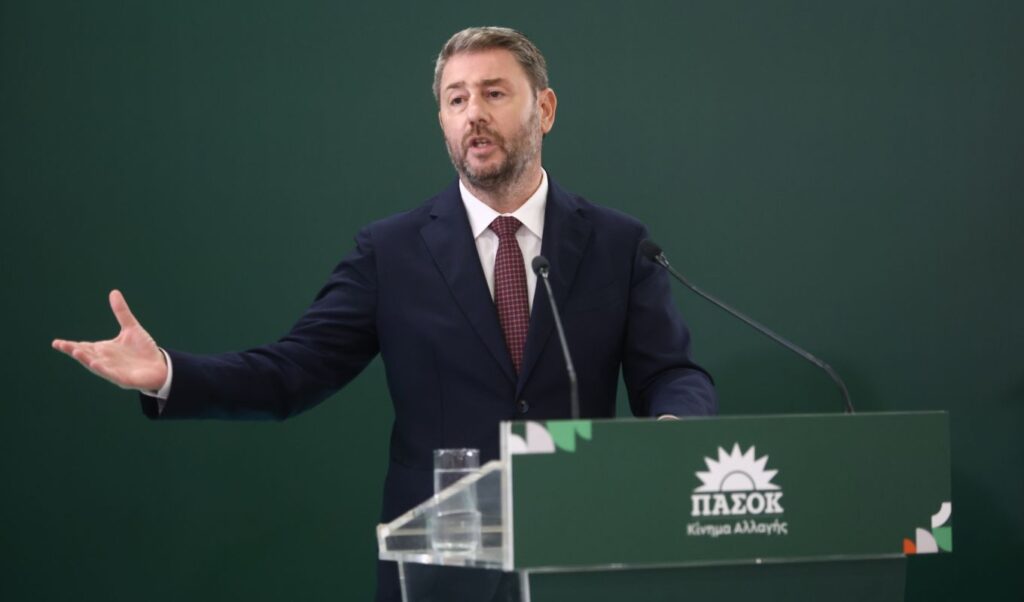
PASOK leader Nikos Androulakis presented his party’s proposals at an event titled “Private Debt: Changing the Rules – The Fair Solution from PASOK.” “Addressing private debt is not only a matter of social justice. It is a prerequisite for supporting production, small and medium-sized businesses, and an economy that offers more opportunities and greater security. This is the plan we are putting forward — a specific, well-documented, and workable plan,” the PASOK leader stated.
Nikos Androulakis: “PASOK is the only party that can guarantee this change”
Nikos Androulakis further emphasized that “this is the political change the country needs: a government that sets rules in the market, stands up to powerful interests when necessary, and gives citizens real opportunities to grow and move forward. PASOK is the only party that can guarantee this change.”
“Our proposal is built on one clear principle: those who can pay, must pay. Those who want to meet their obligations must have access to a viable restructuring arrangement. And those who are genuinely unable to pay must be given a second chance — with rules and transparency.
This is our vision of a fair economy. An economy that does not measure its success by numbers alone, but by whether it creates real opportunities for citizens and businesses to move forward,” the leader of PASOK–Movement for Change underlined.
The cost-of-living crisis and the trap facing businesses and households
Androulakis noted that the private debt problem cannot be examined in isolation from the broader economic reality faced by Greek citizens. With the cost-of-living crisis showing no signs of easing, millions of households and businesses remain trapped under the weight of debt.
He levelled sharp criticism at the government for attempting to present the country’s economic trajectory as a success story, selectively choosing the comparisons that suit its narrative — citing public debt as a prime example.
“The government systematically compares key economic indicators to 2019, yet carefully avoids comparing Greece to the rest of Europe today. New Democracy boasts about the reduction of the public debt-to-GDP ratio as its own achievement.
What it conveniently ‘forgets’ to mention is that this reduction was largely predetermined by two key factors it chooses to ignore. First, the debt restructuring carried out under PASOK, which made all subsequent arrangements possible.
Second, the decline in the public debt-to-GDP ratio is due not to genuine growth — which averaged a mere 2% per year — but primarily to inflation, which inflated prices and indirect tax revenues,” Androulakis observed.
Loan servicers and property auctions
According to the PASOK–Movement for Change leader, loan servicer companies are posting record profits, while the total number of notarial property auction acts has now more than doubled compared to 2019.
“We never promised that debts could be wiped out with a single law and a single article. We chose difficult but workable solutions,” he said, referring to PASOK’s introduction of the so-called Katseli Law in 2010. He then turned his criticism toward the SYRIZA–ANEL government, which, as he put it, “was elected on promises of debt cancellation and relief.” He added: “In practice, however, during its time in office, protection for primary residences was dismantled, a framework was established for the transfer and management of non-performing loans by funds and servicers, and electronic property auctions were set in motion.” He also held the New Democracy government accountable, stating that it introduced the ‘Hercules’ programme and, in 2020, a new insolvency code that fully abolished the primary residence protection framework, without putting in place a new, genuinely effective safety net for vulnerable borrowers.
The 10+1 framework of interventions on private debt
The PASOK leader outlined a comprehensive 10+1 framework of interventions to tackle private debt:
- “First, we restore protection for primary residences, based on modern and objective income and asset criteria.
- Second, we introduce a bold new 120-instalment restructuring scheme for debts owed to the state.
- Third, we fundamentally reform the out-of-court debt settlement mechanism so that it delivers real and sustainable restructuring outcomes.
- Fourth, we introduce strict operating rules and genuine accountability for loan servicers. An entity that manages a citizen’s assets — and often their very home — cannot be entitled only to rights. It must also have clearly defined obligations. And when those obligations are not met, there must be real consequences. There is also a further issue: very serious questions arise from the operation of real estate companies linked to the management of non-performing loans that acquire properties through auctions.
- Fifth, we give borrowers a right of first refusal before their loan is transferred to a fund.
- Sixth, we enshrine genuine rights for debtors in enforcement proceedings.
- Seventh, we provide a definitive and fair solution to the Swiss franc loan problem.
- Eighth, we reward borrowers who meet their obligations consistently.
- Ninth, we protect essential agricultural land.
- Tenth, we establish fairer rules for guarantors.
And the eleventh proposal: we introduce a protected professional bank account exempt from seizure.”
To be submitted to Parliament as a draft bill
“These 10+1 interventions are not piecemeal measures. Together they form a comprehensive plan for addressing private debt. In the coming days, the full package of measures will be submitted to Parliament as a complete PASOK draft bill on private debt. And the question to the government is clear: will it bring PASOK’s draft bill to Parliament for debate? Will it allow for a substantive parliamentary discussion so that every political force can be held accountable for its position?” Nikos Androulakis concluded.