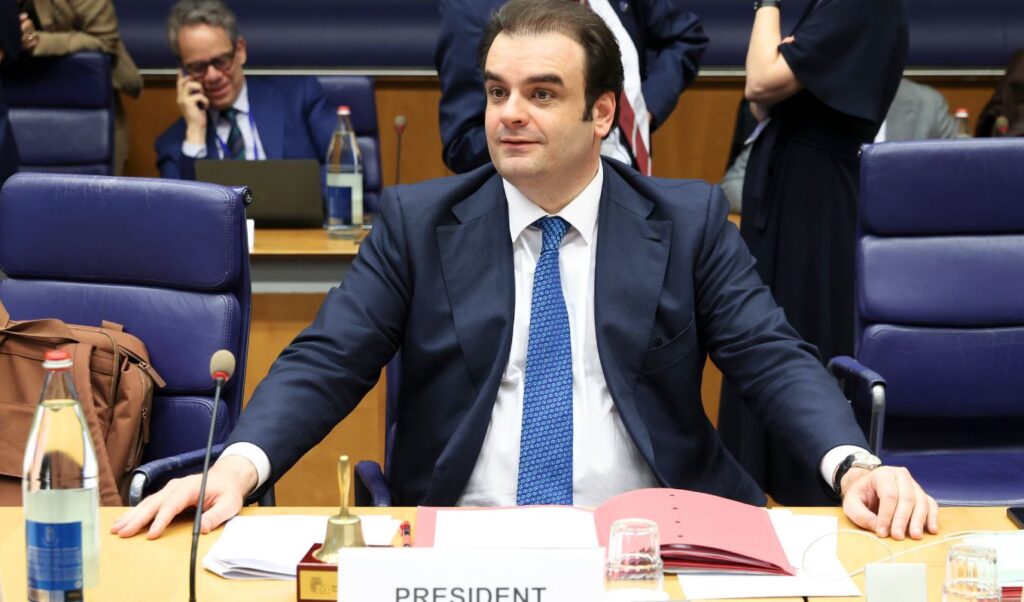
A message about Europe’s need to simultaneously address immediate challenges and prepare for the future was sent by Eurogroup President Kyriakos Pierrakakis, following the meeting of Eurozone Finance Ministers. As he noted, discussions focused both on current economic developments and strategic choices that will determine Europe’s competitiveness, security, and prosperity in the coming years. Meanwhile, he pointed out that the crisis impacts in the Middle East are already affecting the economic environment, with energy markets remaining under pressure and risks to growth and inflation requiring continuous and close monitoring.
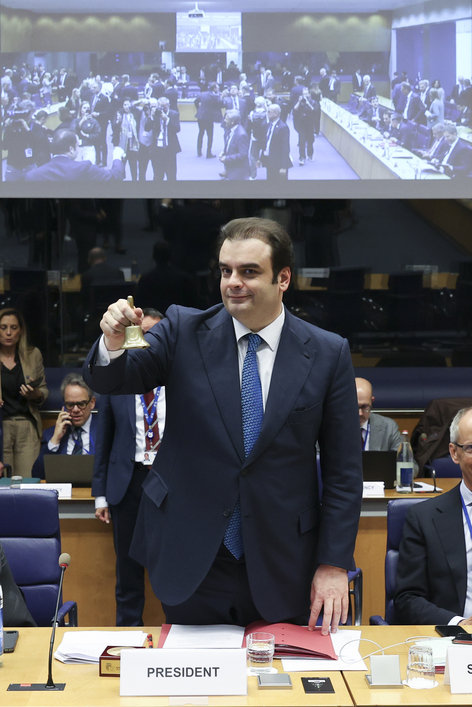
Mr. Pierrakakis emphasized the importance of fiscal coordination, noting that “uncertainty has costs” and that it is governments’ responsibility to limit these costs through stable and consistent policies.
He placed particular emphasis on Europe’s energy policy, highlighting that energy security, competitiveness, green transition, and industrial policy constitute different aspects of the same challenge. As he said, “Europe needs a strategy that will simultaneously reduce energy costs and dependencies through investments in interconnections, networks, and domestic energy sources.”
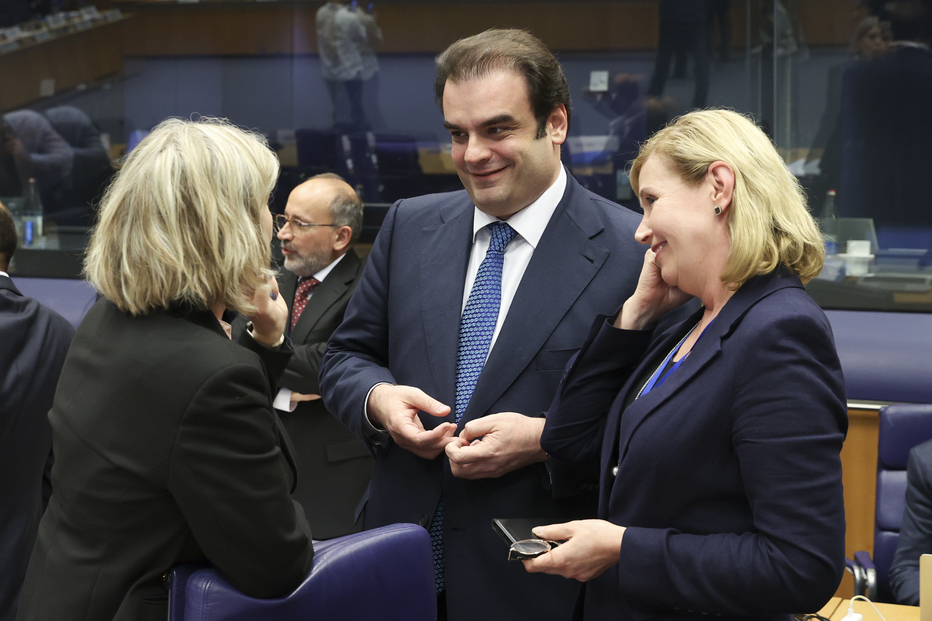
Kyriakos Pierrakakis: “Europe cannot choose between managing today’s crisis and preparing for tomorrow”
The Eurogroup President stated that “Europe cannot choose between managing today’s crisis and preparing for tomorrow. It must do both simultaneously.” Referring to the energy escape clause, Mr. Pierrakakis emphasized that there are certain basic areas where countries agree. As he noted, the common goal of Finance Ministers is supporting the most vulnerable households and businesses, maintaining fiscal prudence, and ensuring that fiscal policy does not conflict with monetary policy.
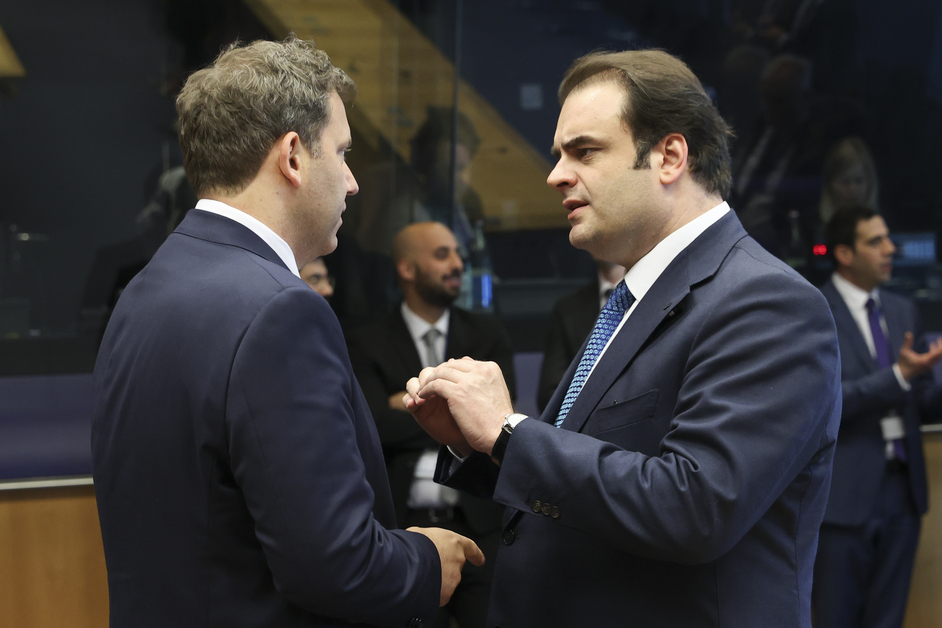
Additionally, he emphasized that the way governments respond to crises has long-term consequences, noting that decisions made today will affect European economic and energy policy for years to come.
Regarding the European Union’s energy sector strategy, he noted that “more interconnections, more energy storage, and more network investments” are required, adopting the line presented by the European Commission. As he stated, “the best social policy for all Europeans is to invest in energy infrastructure,” adding that energy security is directly linked to Europe’s overall security.
Meanwhile, he pointed out that “uncertainty has costs” and that it is governments’ responsibility to limit these costs through coordinated and targeted policies.
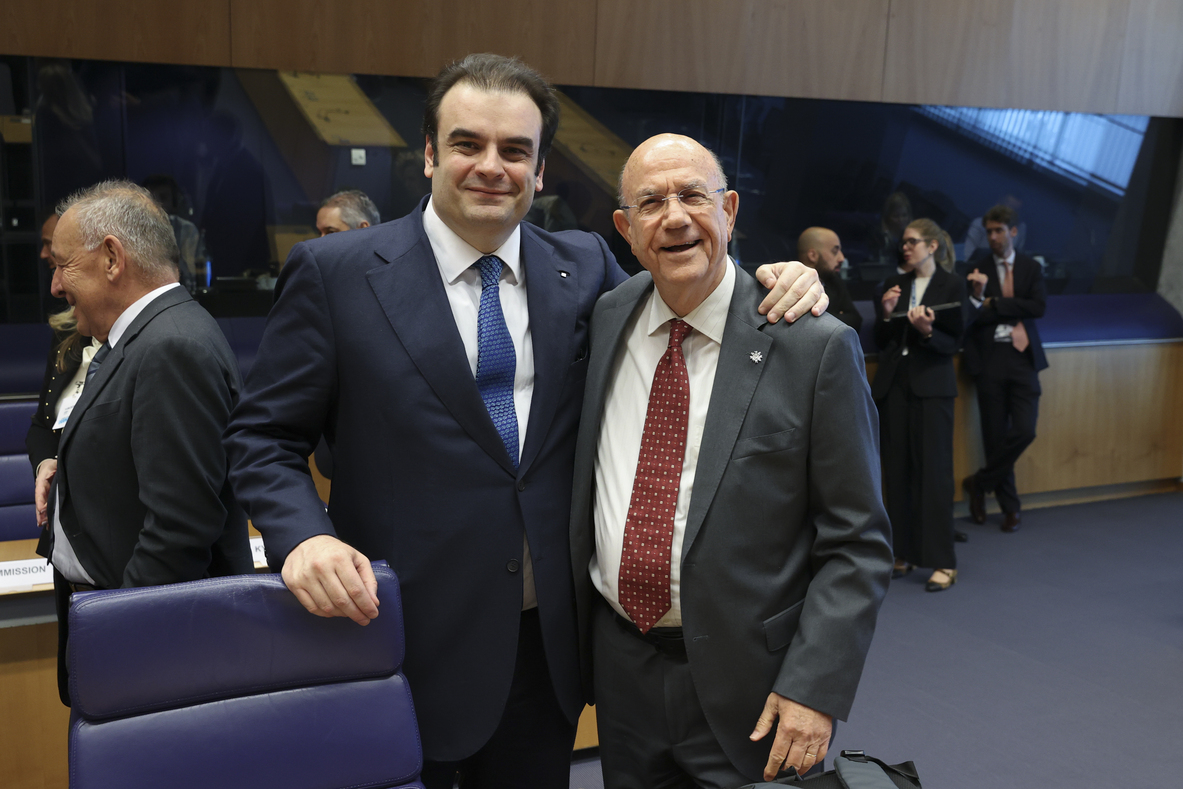
For his part, Economics Commissioner Valdis Dombrovskis referred to the energy escape clause framework, noting it was a key topic discussed among ministers.
As he said, “we are now also preparing a note to the Economic and Financial Committee with more details regarding the implementation of this additional flexibility.” He explained that the basic direction is that eligible measures will be those reducing dependence on fossil fuels, whether they involve large investment projects in renewable energy sources, networks and infrastructure, or targeted interventions for households and businesses, such as replacing heating systems with heat pumps, installing solar panels and storage batteries, energy efficiency interventions, and supporting electromobility.
Referring to different views among member states, he emphasized that “views on this issue were different,” while noting however that there is common understanding regarding the need to reduce dependence on fossil fuels.