A medical procedure that until recently was known mainly within hospital corridors has suddenly found itself at the center of a case shaken by the death of Giorgos Mazonakis.
Plasmapheresis — a complex medical procedure with specific therapeutic indications — is now under the microscope in the investigation into the circumstances of Giorgos Mazonakis’s death, as authorities examine whether the singer had undergone the procedure prior to the fatal incident. The question carries particular weight, as plasmapheresis can cause significant fluctuations in blood pressure.
Manolis Nikolousis on the death of Giorgos Mazonakis: “If the incident occurred before the plasmapheresis, it may have been a coincidence”
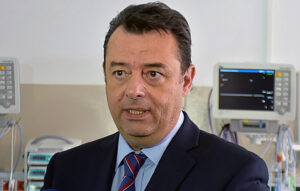
Hematologist Manolis Nikolousis — a specialist in bone marrow transplantation and director at the Yas Clinic Group — speaking to Parapolitika, highlights one critical factor: the sequence of events. “If the incident occurred before the plasmapheresis, it may have been a coincidence. If, however, he had already undergone plasmapheresis, then the picture changes entirely. This specific medical procedure can cause major blood pressure fluctuations, which may even lead to cardiac arrest,” he warns.
He also stresses that this is not a simple procedure that can be performed without strict prerequisites. “It must be carried out inside a hospital, by trained medical personnel,” he notes.
“This specific medical practice can even lead to cardiac arrest” — Manolis Nikolousis, hematologist
How therapeutic plasma exchange works
During therapeutic plasma exchange, plasma is separated from the other components of the blood, removed, and then replaced — depending on the medical indication. It is an intervention that requires close monitoring of the patient throughout the entire process. The method is used in serious conditions, including thrombotic thrombocytopenic purpura. In recent years, however, plasmapheresis has moved beyond hospitals and into the widely discussed world of “longevity” medicine. Internationally, it has become associated with anti-aging practices and the growing demand for interventions that promise better health and extended lifespan.
This is, however, an entirely different field from the procedure’s established therapeutic use. Dr. Nikolousis draws a clear line between plasmapheresis as a clinical treatment and its use as a “longevity” practice, emphasizing that every therapeutic intervention must be grounded in solid scientific evidence. Clinical trials, after all, are reviewed by ethics and bioethics committees, and it is their results that allow the scientific community to evaluate the efficacy and safety of any given treatment. In the Mazonakis case, one critical question remains open: whether plasmapheresis was actually performed — and if so, when. The answer will determine whether and to what extent this medical factor has any place in piecing together the circumstances of his death.