The mobile phone of criminal defense lawyer Stavros Georgiou — who was murdered by a 28-year-old Egyptian national — was discovered hidden inside his office. Authorities also recovered the victim’s wallet during the search. A key question now surrounds why the perpetrator left both items behind, taking only the laptop and possibly some cash.
The 73-year-old criminal lawyer was found dead in his office on the evening of Tuesday, July 21, by his underage daughters, who had been trying to reach him for hours.
According to reports, the victim and the 28-year-old had been at a shop together on Monday evening before heading to the lawyer’s office. Once there, a violent altercation broke out, leading to a physical confrontation in which the Egyptian national fatally wounded Stavros Georgiou.
Greek Police spokesperson Konstantia Dimoglidou spoke about the swift resolution of the murder case, noting that officers managed to identify the suspect very quickly despite the investigation initially having no known perpetrator.
Speaking on the ERTNews programme “Weekend from 5,” she explained that the investigation moved at a rapid pace, with officers collecting critical evidence from the crime scene. The Forensic Investigations Division played a decisive role, as fingerprints found at key locations in the premises were matched to the 28-year-old foreign national, who was already known to authorities from previous cases.
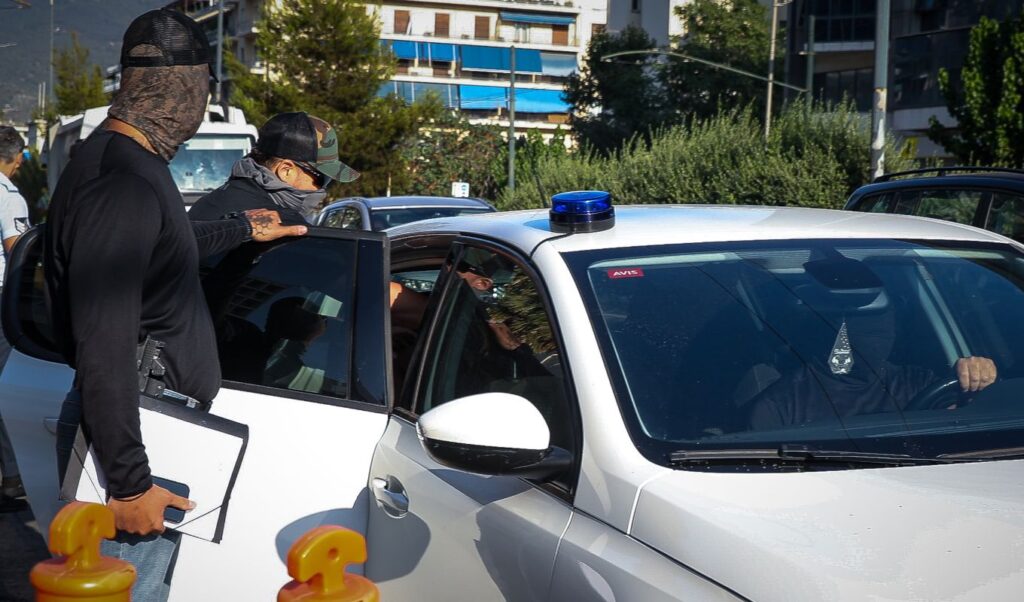
According to Ms. Dimoglidou, the suspect had no fixed address, which complicated efforts to locate him. Officers searched various areas across Attica before he was ultimately arrested while on the move.
The police spokesperson also noted that an arrest warrant had been issued against him approximately one month before the crime, but that he could not be located due to his lack of a permanent registered address.
Addressing the suspect’s immigration status, she explained that following the rejection of his asylum application, current legislation allows a specific period of time for voluntary departure from the country. If that does not occur, locating the individual depends on actions taken by the relevant authorities, such as targeted searches or routine police checks.