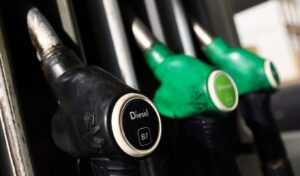
New price hikes are expected across certain food categories just ahead of Christmas. While food prices have remained stable, they continue to sit at exceptionally high levels, with pressure from rising production costs showing no signs of easing. The surge in global oil prices is driving up transportation and energy costs, and food manufacturers have already announced upcoming price increases on dairy products made with sheep’s milk.
Read also: Price cuts: Market watchdog dismisses claims of price hikes ahead of the initiative
Price hikes in dairy products, toast bread and cereals
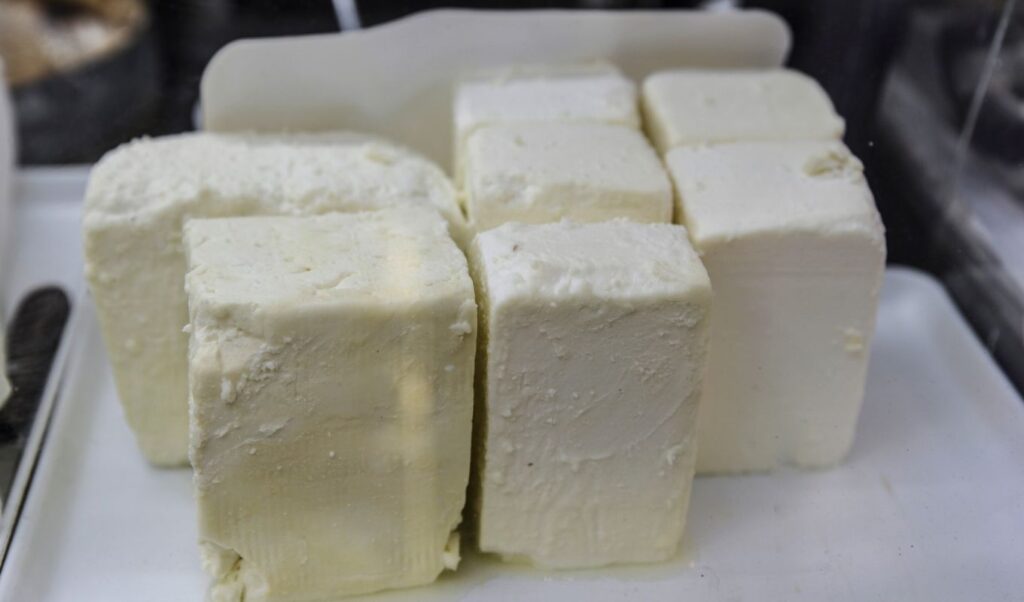
Specifically, according to a report by ERTnews, feta cheese prices are set to rise by 7%, with toast bread and cereals expected to follow suit due to rising global grain prices. At the same time, the Independent Market Supervision Authority is pushing to curb a new wave of food price increases by urging manufacturers to extend their price reduction measures for an additional two months, through to the end of the year.
According to the same source, a total of 440 product codes have been granted approval for reduced-price sales, of which 373 are branded products and 67 are private-label items. This arrangement will remain in effect until December 31, 2026.
A Christmas basket on the table
Meanwhile, the Independent Authority is also exploring the creation of a Christmas food basket for the holiday table, as reported by ERTnews. Preliminary approaches have already been made to manufacturers and supermarkets to participate in the new initiative, which — if implemented — would be called “Celebrations for Everyone.”
Which food items will see price reductions
The goal is to achieve price reductions of around 25% on specific food product codes, including:
- rice and pasta,
- flour,
- cheeses,
- milk,
- butter,
- vasilopita (New Year’s cake),
- tsoureki (sweet bread),
- melomakarona and kourabiedes (traditional Christmas cookies),
- wines, and
- soft drinks.
Price reductions are also planned for meats, including turkey, beef, lamb, and pork, though these will be exempt from the 25% rule — with price cuts expected to be at least 5% or more.
If the initiative moves forward, it would be implemented during the last two weeks of December, most likely from December 19 through December 31. Whether manufacturers and supermarkets will respond positively remains to be seen, as the market mood is currently subdued.