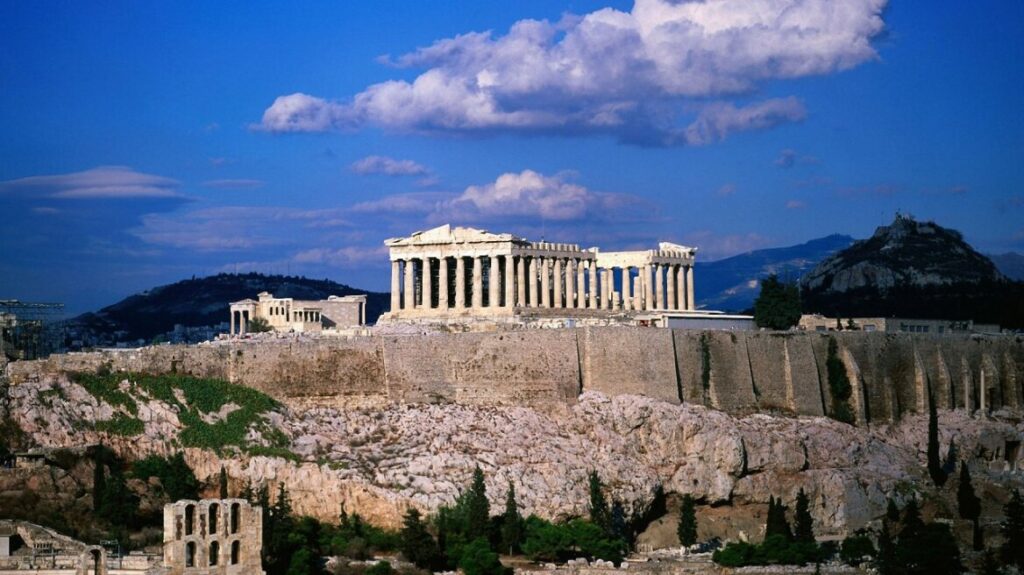
A strikingly different picture of Greece is emerging in German media a decade after the fiscal crisis, with criticism having given way to praise for the country’s remarkable progress. The German newspaper Die Zeit dedicates an extensive report to the trajectory of the Greek economy, attempting to explain how the country transitioned from the years of austerity memoranda and deep recession to a period of stronger growth, falling unemployment, and greater fiscal stability.
The report places particular emphasis on the digitization of public services, the boost to government revenues through cracking down on tax evasion, as well as the investments and infrastructure upgrades that have fundamentally transformed the economic landscape. Despite the fact that public debt remains high and significant challenges persist, Die Zeit portrays a country that has moved decisively away from its crisis-era image and is working to consolidate a new era of economic growth and investor confidence.
Die Zeit: State digitization and economic recovery
“A decade ago, Greece was at the epicenter of Europe’s debt crisis. Mass austerity protests, wage and pension cuts, privatizations, and painful reforms defined a period of deep economic and social hardship.
Today, the picture is strikingly different. Since the pandemic, the Greek economy has been growing faster than the Eurozone average, while unemployment has fallen from its record crisis-era highs to below 8%.”
According to the article’s author, “the government attributes a pivotal role in this transformation to the digitization of the state. Finance Minister Kyriakos Pierrakakis highlights that the gov.gr platform has fundamentally changed the relationship between citizens and public administration, offering thousands of services online — from administrative procedures to business registration.
(…) At the same time, the electronic transmission of tax data has curtailed tax evasion and strengthened public revenues, contributing to the stabilization of public finances. The country still carries one of the highest levels of public debt in Europe, yet it is now managing to reduce it gradually.
(…) The recovery is also reflected in the country’s infrastructure. In Kalamata, Fraport is taking over the management of yet another Greek airport, continuing a presence that began during the height of the crisis. Where privatizations sparked fierce protests ten years ago, many now view them as an integral part of the country’s economic transformation.”
Source: DW