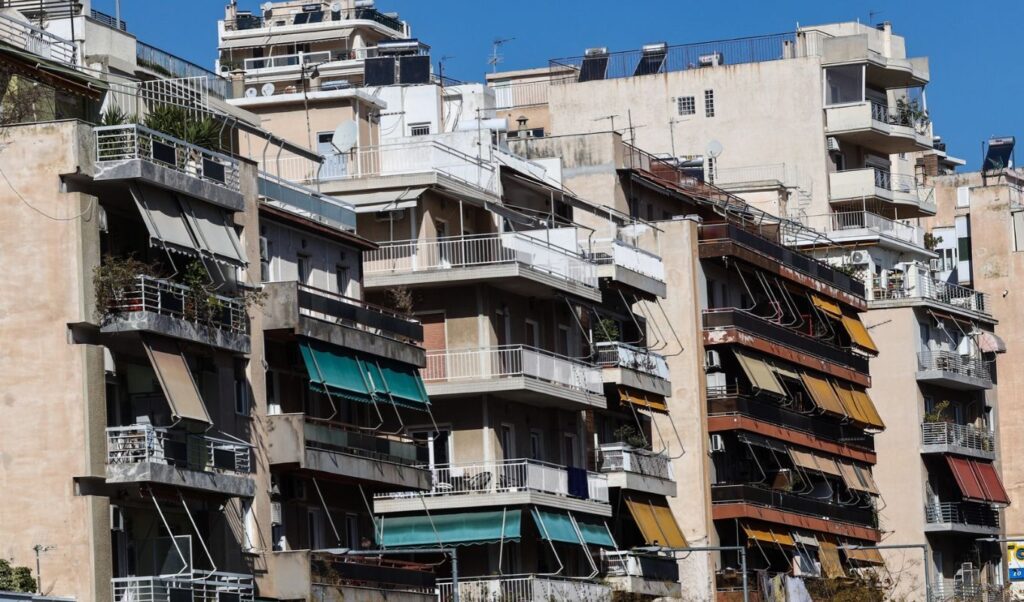
The new housing loan program “My Home III“ is just around the corner, set to introduce significant changes compared to its predecessors. Across all three programs combined, and assuming “My Home III” is successfully completed, the leveraged capital is expected to support approximately 30,000 home purchases, totaling around €5 billion.
The breakdown is as follows:
- €1 billion was channeled through the “My Home I” program, corresponding to approximately 7,000 loans.
- €1.8 billion was channeled through the “My Home II” program, corresponding to 14,000 loans.
- €2 billion will be channeled through the “My Home III” program, corresponding to approximately 9,000 to 10,000 loans.
Under “My Home III,” the number of loans is lower because the maximum loan amount available to each beneficiary has been increased. Specifically, compared to “My Home II,” the commercial value ceiling for eligible properties has been raised to €300,000 (up from €250,000), while the maximum loan amount a beneficiary can receive increases to €230,000 (up from €190,000), representing 90% of the property’s commercial value.
In addition, the government is broadening the pool of eligible beneficiaries: income thresholds for program participation have been raised to €39,000 per year (up from €35,000 under “My Home II”) for a family without children, with an additional €7,000 added for each child (previously €5,000 per child).
Finally, the maximum age limit for beneficiaries has been raised to 55 years (up from 50), while families with many children will benefit from expanded square footage limits — an additional 10 sq.m. per child beyond four children, on top of the existing 150 sq.m. cap.
With elections approaching, pressure is mounting on the government to ensure there is no gap in the rollout of mortgage support measures. Housing affordability has become the second most pressing issue for the government after the cost-of-living crisis, and approximately 5,000 applicants were left out of the “My Home II” program — adding further urgency to the situation.
As a result, both the Ministry of National Economy and the Hellenic Development Bank are racing to launch “My Home III” as early as January. The program aims to deploy up to €2 billion in new home loans, with 50% constituting public support from the Hellenic Development Bank (€500 million from the Recovery and Resilience Fund and an additional €500 million from the bank’s own reserves), while the remaining 50% will come from commercial banks through leveraging.
The pressure on the government, as elections draw near, to ensure no gap in the rollout of mortgage support measures is immense.
“My Home III”: Who benefits — buyers, property owners, and banks
Credit institutions have clearly come out as winners from this policy. The “My Home I” program was the catalyst that reopened the mortgage market — a market that had shut down entirely in 2010 and remained closed until 2023. “My Home I” reactivated it, and banks have now returned to mortgage lending after an absence of more than a decade.
Property owners — particularly those holding older properties — have also benefited greatly from the “My Home” programs. According to real estate market insiders, the government’s decisions have not only kept the market for older properties (built before 2007) alive, but have actively driven up their prices. Properties that during the financial crisis would not have fetched more than €60,000 or €70,000 are now selling for €150,000 or more.
These are properties that typically require renovation and tend to fall into lower energy efficiency classes, necessitating at minimum an energy upgrade — if not more extensive works. It is worth noting that the age threshold for properties eligible under “My Home III” remains unchanged, covering homes built before 2007.
As for the program’s beneficiaries — the actual buyers — they do benefit from the subsidized mortgage interest rate. However, real estate market experts point out that these savings are largely offset by the inflated property prices driven by the artificial boost in demand. In this way, property prices remain elevated, as owners consistently hold out for better offers each time a new program is announced.
According to Manos Kranidis, Secretary General of the Panhellenic Federation of Property Owners (POMIDA), the government is subsidizing the wrong side of the market. “The state is stimulating demand, when the right approach would be to boost supply,” he argues. “Had it invested the €2.5 billion in renovating vacant publicly owned properties — such as those held through estate bequests and similar arrangements that remain untapped today — it would have brought a large volume of properties onto the market, strengthening supply,” he emphasizes. “Unfortunately,” Kranidis adds, “the government and the state are opting for the easy solution: state-subsidized loans.”
Originally published in Money Pro by Parapolitika.