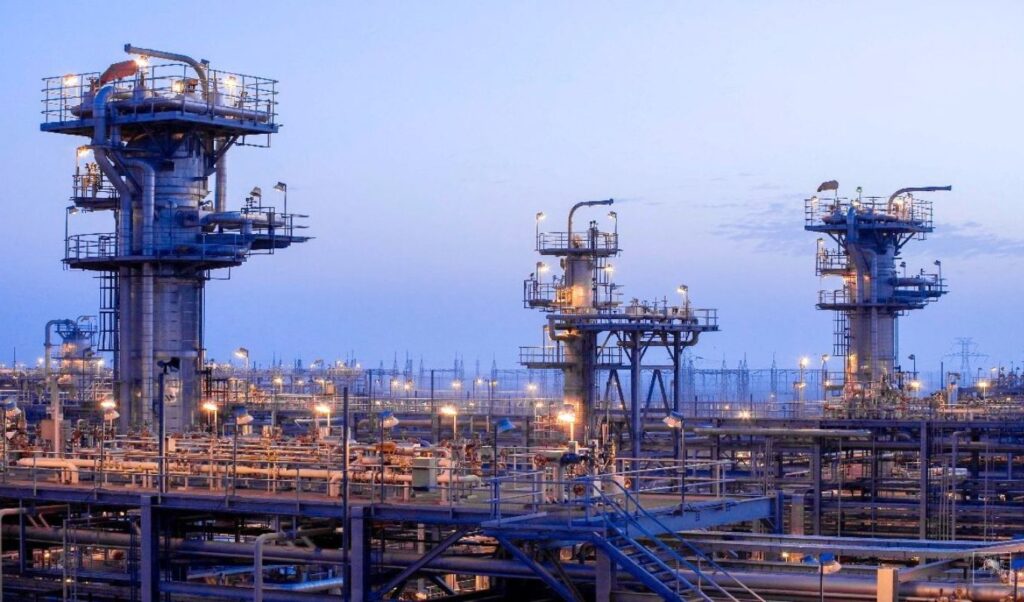
Oil shipments from the port of Yanbu in Saudi Arabia to Europe have been halted following the shutdown of the East-West Pipeline. The disruption was triggered by a Houthi drone attack. Shipping sources reported that Saudi Aramco has “cancelled” its European deliveries, though the company itself has declined to publicly comment on the situation. The Yanbu terminal had seen increased activity since the outbreak of the war involving Iran, but recent developments have significantly complicated the picture. Just days ago, Houthi rebels seized the western coast of Yemen, threatening the passage of Saudi oil tankers bound for Asia. These attacks pushed oil prices above the critical psychological threshold of $100 per barrel, raising fears of an energy crisis in Europe — particularly as winter approaches and the shadow of the Ukraine conflict looms large.
Read more: Oil prices surge past $100 a barrel as Middle East tensions escalate
Another Aramco oil facility in Abha, Saudi Arabia, is on fire following a drone attack from Yemen. pic.twitter.com/Uhvt095NQ1
— Victor vicktop55 commentary (@vick55top) September 15, 2026
«It will be back online within the next few days»
US Energy Secretary Chris Wright, speaking to CNBC, clarified that oil will resume flowing through Saudi Arabia’s East-West Pipeline within the coming days. Stressing that this was only an “estimate,” Wright said he believes the pipeline shutdown will last “a few days.” He also noted that Saudi Arabia is taking steps to route more oil through the Strait of Hormuz, with the assistance of the US military.
4 to 5 million barrels per day
The 1,200-kilometre East-West Pipeline, which runs across the Arabian Peninsula, has served as the primary oil export route from the Middle East over the past six months, as the straits between Iran and Oman have been largely closed due to the war involving Iran. The pipeline was transporting 4 to 5 million barrels per day — equivalent to 4% to 5% of global supply. A separate US official told AFP that an American military unit is working to enhance intelligence sharing with Saudi Arabia, as the kingdom faces mounting attacks primarily from Iran-backed Houthi rebels in Yemen.
NO SAUDI CRUDE HAS LEFT YANBU SINCE SEPT 11
Petroline down since the 10th after drones hit pumping stations in the Riyadh and Medina regions. Argus: late-Sept European cargoes cancelled or deferred. Yanbu stocks measured in days. Hormuz already constrained. Brent $105–109. https://t.co/rUhEo1wxXa pic.twitter.com/Anla8nIfHo
— The Compass Report 🧭 (@Compass_Report) September 15, 2026
US Central Command (CENTCOM) “has a unit on the ground to improve intelligence sharing and plan support for Saudi forces,” the official said, speaking on condition of anonymity. According to the news site Axios, citing US officials, President Donald Trump refused to order strikes against the Houthis as requested by Riyadh. On Saturday, Trump acknowledged that the Houthis had asked Washington not to intervene.