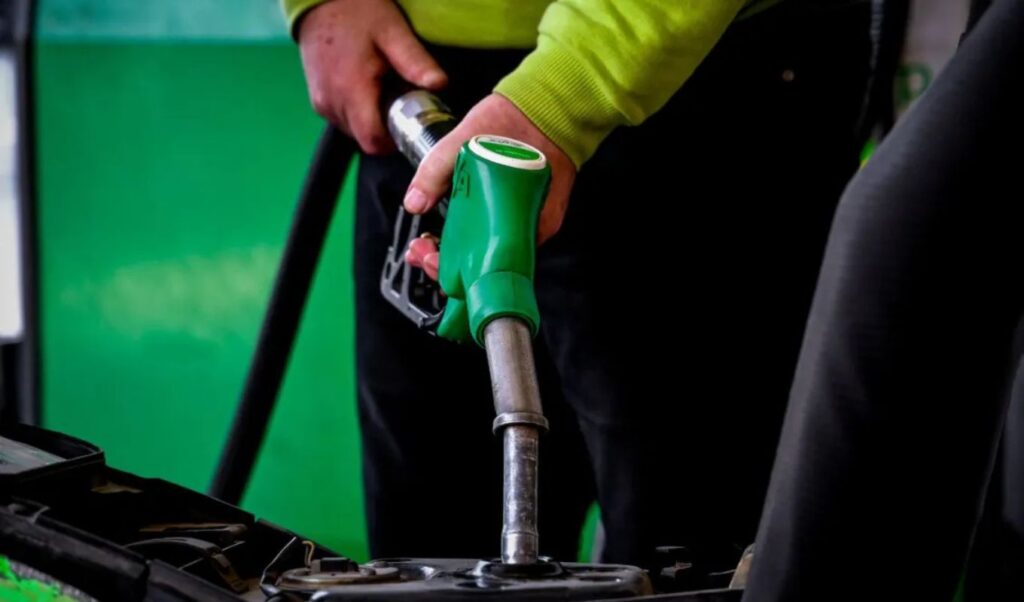
The government’s economic team is developing scenarios for extending targeted interventions to support households, utilizing the unused fund of 200 million euros, as the Middle East crisis and explosive increases in oil and natural gas intensify fears of new disruptions in the real economy. In this context, the plan provides for extending the horizontal fuel subsidy for the month of June as well, and possibly continuing the fuel pass subsidy.
At the same time, pressure is being applied to activate subsidies for electricity bills (power pass) to halt the price rise before it fully transfers to consumers. However, reservations about this specific measure are expressed by the State General Accounting Office, despite the fact that funding could come from the Pollution Fund.
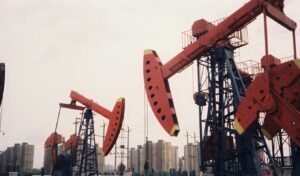
Meanwhile, Brent oil’s high flight continues, remaining steadily above the psychological threshold of $100 per barrel. It is characteristic that on Monday, futures contracts rose to $114, while the previous week they even “hit” $126 per barrel. It should be noted that the downward revised estimates for growth and inflation trajectory, as reflected in the annual progress report of the Medium-term Structural Plan, are based on the assumption that Brent oil prices will settle at $89 per barrel this year – an assumption that does not appear to be confirmed by current data.
Under the weight of these developments, the “package” of new measures to contain energy costs is gaining new momentum, with the economic team leaving open the possibility of further enhancement, depending on available fiscal space. The 200 million euro “cushion” plays a key role in the household support strategy, allowing immediate interventions depending on international energy price trends. According to current estimates, the cost of extending the fuel subsidy for June is calculated at approximately 40 million euros, while a two-month extension of the fuel pass for June and July is estimated to amount to 130 million euros.
However, the impacts of the Middle East war were at the center of Monday’s Eurogroup meeting. EU officials estimate that the crisis effects will be prolonged, even after the end of hostilities in the Gulf, affecting the global energy supply and demand balance for an extended period. Strong pressures on the macroeconomic environment are already being recorded, with inflation acceleration, deteriorating growth prospects, and increased uncertainty about the eurozone economy’s trajectory, while fears of recession are strengthening – a development that could affect European economies overall, including Greece.