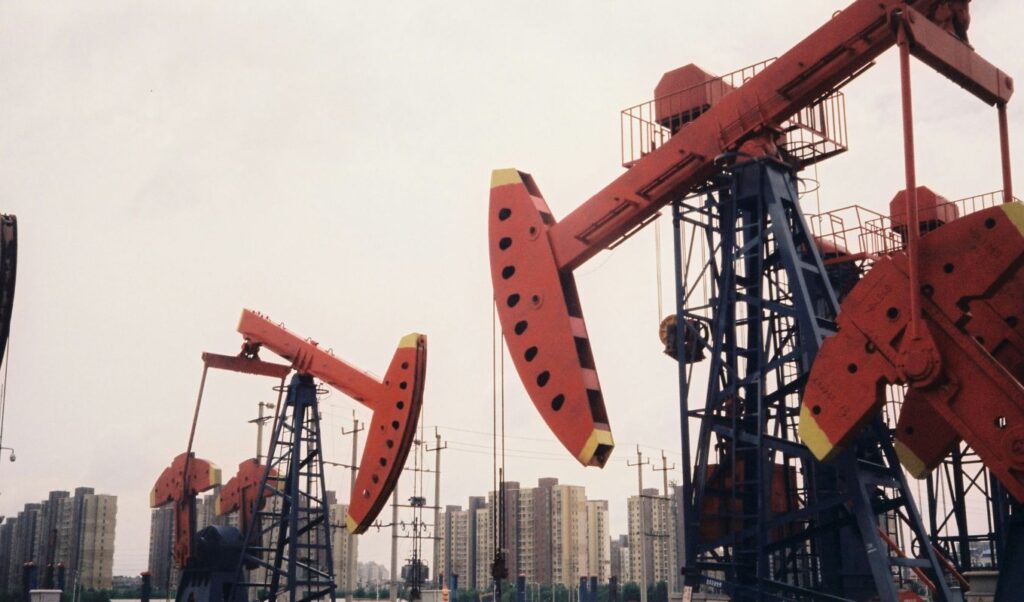
The seven major countries of the Organization of Petroleum Exporting Countries (OPEC+) reached an agreement today (3/5), according to which they will start releasing an additional 188,000 barrels of oil per day into the market starting in June. Specifically, the OPEC+ group will increase oil production in June slightly less than in May, which was 206,000 barrels per day.
Read more: Oil: Significant decline in reserves, warning from energy companies – OPEC+ discusses production increase
OPEC+: Additional 188,000 barrels of oil per day to market
The decision was made during a video conference today, Sunday, and had been largely anticipated by the market, which limits its immediate impact on prices. The OPEC+ meeting focused on how to manage the market during a prolonged crisis, with reduced reserves and increased uncertainty, without leading to a new energy shock. The desired target that Saudi Arabia, Russia, Iraq, Kuwait, Kazakhstan, Algeria and Oman wanted to achieve is to increase production by 188,000 barrels per day, marking an increase for the third consecutive month.
According to information reported by Bloomberg based on country representatives, this is a mild and mainly symbolic increase in oil production quotas for June, in an attempt to send a message of stability following the sudden departure of the United Arab Emirates (UAE) from the organization.
Accounting and political move
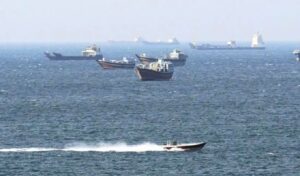
As analysts emphasize, this is primarily an accounting and political move rather than a substantial enhancement of supply. In practice, most OPEC+ members in the Middle East face serious geopolitical and technical obstacles, making an immediate increase in exports unfeasible, particularly while the situation in the Strait of Hormuz remains unstable.
Therefore, the production increase will remain largely symbolic until the Strait of Hormuz reopens to shipping, but even then it will take several weeks, if not months, for flows to return to normal levels, according to Gulf oil sector officials and international oil trade executives. It should be noted that the disruption caused prices to soar to a four-year high above $125 per barrel as analysts begin making predictions of extensive jet fuel shortages within one to two months and rising global inflation.
The process of gradually restoring production, which had been restricted in previous years as part of a price support policy, continues formally by the alliance. This is a process that had already been implemented before the war in Iran, but is now directly affected by developments in the Persian Gulf region.
Multi-billion dollar investment by UAE
With the departure of the United Arab Emirates, which was announced in late April and took effect on May 1st, OPEC+ consists of 21 members, including Iran, but in recent years only the seven countries plus the UAE participated in decisions regarding monthly production.
After six decades in the alliance, the UAE’s state oil company, ADNOC (Abu Dhabi National Oil Company), announced it will proceed with projects worth approximately $55 billion for the 2026-2028 period, aiming to accelerate the company’s development and boost energy production following market changes and developments in OPEC+. As stated by the UAE Minister of Industry and Advanced Technology and CEO of the company, Sultan Al Jaber: “ADNOC is entering a decisive phase of implementing its strategy, guided by speed and absolute focus on execution”. Following today’s video conference, the seven OPEC+ members will meet again on June 7th, according to the draft statement.