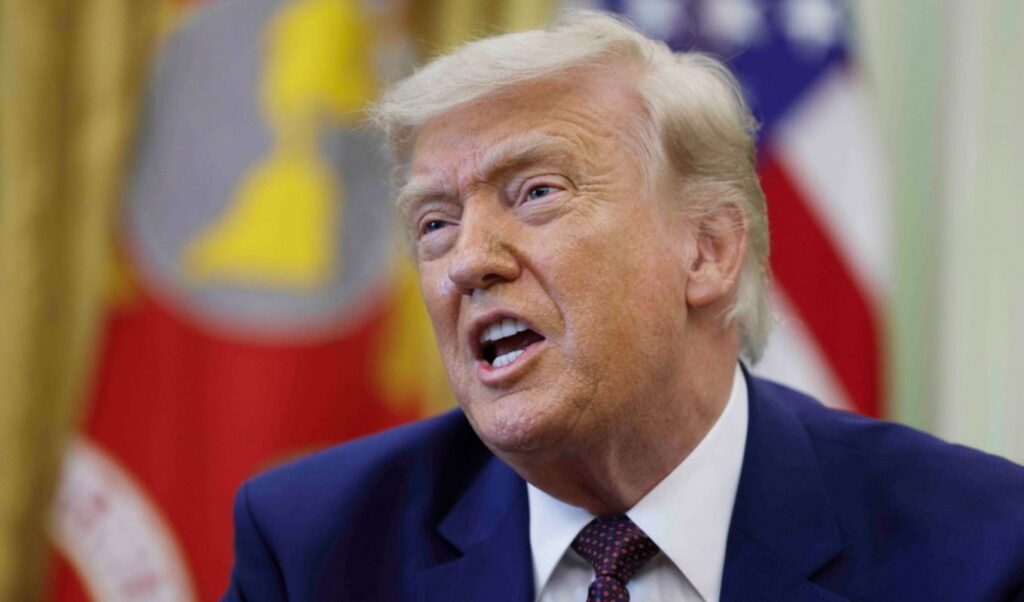
The agreement between the United States and Iran to end the conflict appears to be in its final stretch, although pending issues and uncertainties remain. Iran denies that the agreement will be signed today, Sunday (6/14), despite Donald Trump’s statements that the text is ready and includes measures to limit Iran’s nuclear program, as well as ensuring free navigation through the Strait of Hormuz.
Read: Axios: United States and Iran to sign memorandum of understanding electronically on Sunday
For his part, Pakistan’s Prime Minister estimated that the agreement might be signed within the next 24 hours, while negotiations on pending issues will continue next week. According to an Axios report, the memorandum provides for a 60-day extension of the ceasefire, resumption of talks on Iran’s nuclear program, and arrangements concerning the Strait of Hormuz.
However, Iranian agency Fars reports that negotiations have not yet been completed and no signing is scheduled for today, without ruling out reaching an agreement in the coming days.
Israel: Netanyahu convenes security cabinet over US-Iran agreement
Meanwhile, Benjamin Netanyahu is expected to convene Israel’s security cabinet today, as Israeli officials express concerns about the agreement’s content, believing that certain terms might affect the country’s security interests.
Democrats are reacting negatively to the agreement. Notably, Representative Seth Moulton described the potential agreement as “essentially a surrender document.” Meanwhile, Iranian protesters in Mashhad reportedly gathered to argue that Tehran made excessive concessions.
Donald Trump’s priority: preventing Iran from acquiring nuclear weapons
A Washington Times report by columnist Tim Constantine states that Trump is likely to present as a victory any agreement that prevents Iran from acquiring nuclear weapons. Speaking to Al Jazeera, he mentioned that avoiding a broader war, opening the Strait of Hormuz, or calming markets are “good byproducts.” But “Trump’s number one priority is Iran not having nuclear weapons.”
“And if he can show that this is absolute or measurable and enforceable, then he can claim victory. And I think the American public will be willing to accept it.” All of this depends on Iran’s written commitment, the report states. “What we’re likely to see is Iran agreeing in writing that it will not pursue or acquire nuclear weapons,” without a bomb “regardless of means.”
Other details will be determined within the 60-day period, he said, including how the International Atomic Energy Agency (IAEA) will verify Iran’s nuclear material and whether any destruction of this material will occur within Iran or elsewhere.
The analyst said he also expects a “calendar” of mutual steps, such as lifting sanctions or unfreezing assets linked to benchmarks like IAEA access or agreed destruction timelines.