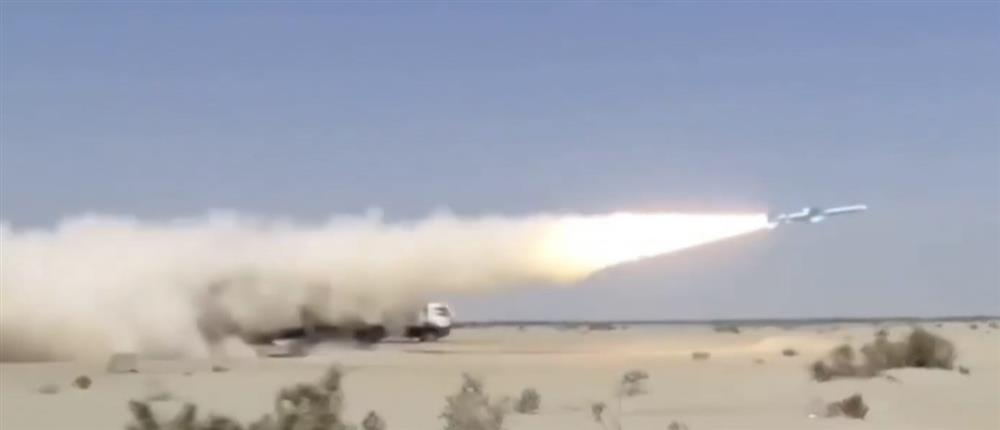
With the diplomatic temperature in the Middle East having risen sharply and recent escalations triggering various military scenarios, as evidenced by the redeployment of military forces, the US is in a state of readiness to carry out targeted intervention in Iran. Despite recent consultations in Geneva, which suggest a blunting of key differences, the root of the problem runs deeper and the policies pursued by the Iranian theocratic regime appear to place both the US, Israel and Gulf countries on high alert and standby.
Recent images show large-scale mobilization from the American side as top US officials convey in every tone that they will not allow the spread of terrorism and the development of nuclear weapons. New photos released to the public show American F-22 fighters taxiing at Ovda air base in southern Israel. Twelve aircraft are already at the facility, an element that reinforces scenarios of an American strike against Iran.


Middle East: The movement of American aircraft
Washington has proceeded to deploy significant military assets in the Middle East and earlier the American aircraft carrier “USS Gerald R. Ford” docked in Israel, strengthening the US naval presence during a period of heightened tension.
In case, however, of a direct and expanded American attack on Iran, Tehran could inflict serious damage on American forces to prove to Trump that the political and material cost of his campaign is very high, therefore there will be a domino effect of consequences. However, even if Iran fails to directly challenge American power, the consequences for Gulf countries and the Middle East in general will be apparent.
At this moment, the US has moved fighter aircraft, aircraft carriers and other strategically important assets to the Middle East. However, at least one type of attack can already be ruled out. After years-long US wars in Afghanistan and Iraq, there is bipartisan consensus in the US against any new military intervention in the Middle East. Therefore, as everything indicates, a military campaign will be conducted from the air, using aircraft and missiles.
The initial threat American pilots will face is Iranian air defense, although it is estimated that this is significantly disadvantaged.
The next hours in the Middle East
A puzzle still remains, however, whether Trump will choose a high-power strike that constitutes a deep blow to the theocratic regime or whether he will follow a Venezuela-style policy, that is, whether – as in the case of Nicolás Maduro – he will choose a surprise move to remove an official.
According to estimates from military members cited by analysts, attacks can now be carried out “at any moment.” American preparations suggest that the military operation may be imminent.
Regarding the involvement of other Middle Eastern countries, since January, Saudi Arabia, Qatar and Oman, along with Turkey and Egypt, have been engaged in intense diplomatic efforts to pull Washington and Tehran away from ignition. This is not exclusively due to their good relations with Tehran, but to the fact that they realize they will be on the front line of Iranian retaliation and the consequences that will follow in case of collapse of the Iranian regime.