Turkey is searching for a way out of the deadlock its purchase of Russian S-400 air defense systems has created in its relations with the United States, by seeking Moscow’s consent to transfer the systems to a third country. Ankara’s goal is to remove the primary obstacle keeping it out of the American F-35 fighter jet program — although Washington continues to view the prospect of Turkey’s reinstatement with considerable skepticism.
According to a Bloomberg report, Turkey has requested Russia’s consent to transfer the S-400 air defense systems it purchased from Moscow several years ago to a third country, in an effort to overcome the main barrier to acquiring the American F-35 fighters. Ankara made this approach to the Russian side in recent weeks, several months after Turkish President Recep Tayyip Erdoğan had proposed returning the S-400s to Russia — an idea that never moved forward, according to Turkish officials who spoke to the agency on condition of anonymity. However, even transferring the S-400s to a third country may not resolve the issue, as American senators told reporters this week that such a move would not necessarily address Washington’s security concerns.
Talks with Russia ahead of the NATO summit in Ankara
The discussions with Russia began before the NATO leaders’ summit in Ankara this week, during which U.S. President Donald Trump hinted that he may soon reverse his own ban on selling F-35 fighters to Turkey. This latest proposal followed an earlier idea from Ankara to keep the S-400s while allowing the United States to oversee their operation, in order to address fears that data collected by the Russian system could compromise the stealth capabilities of the fifth-generation F-35 fighters. That proposal, according to the same sources, received no response from American officials. Turkish officials state that Ankara is not currently operating the S-400 system, even though it remains in the country’s arsenal.
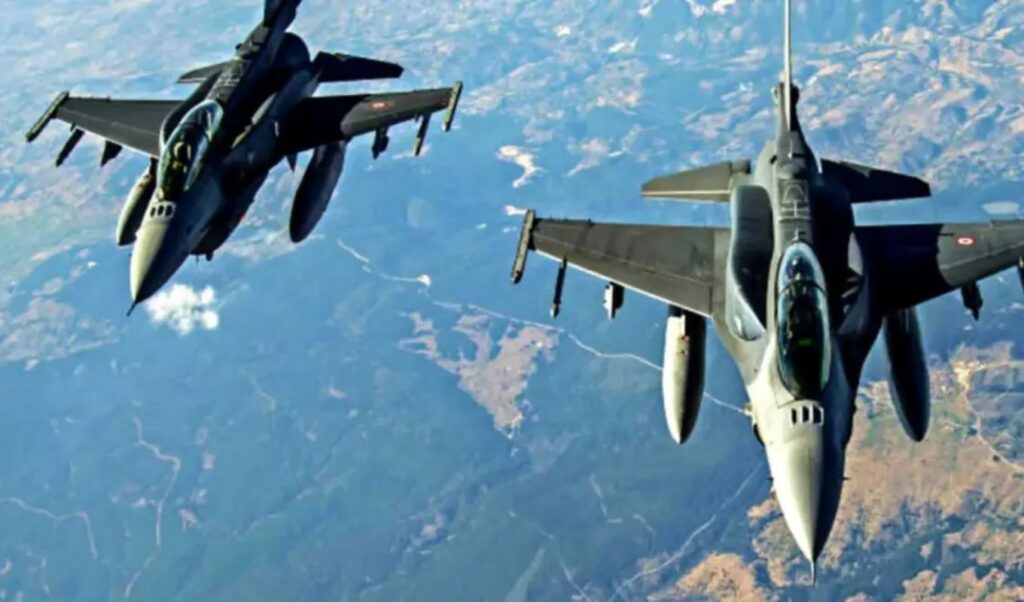
Turkey was excluded from purchasing the advanced F-35 fighters when it took delivery of the Russian S-400 systems in 2019. Washington has made clear that Ankara must relinquish the Russian missiles before it can return to the F-35 program. Should Russia agree to Turkey’s request, the S-400 batteries stationed on Turkish soil would be relocated elsewhere, according to officials, who did not disclose where the possible destination might be.
Moscow has not yet responded to Ankara’s request, even as Turkey was speaking as though the matter was a done deal. The issue was on the agenda of Turkish Foreign Minister Hakan Fidan when he traveled to the Russian city of Kazan in June for a meeting with President Vladimir Putin, the same sources noted.
“An extremely sensitive issue”
Kremlin spokesman Dmitry Peskov described the matter on Friday as “extremely sensitive.” “We have had contacts with the Turkish side on this specific issue and will continue those contacts,” he stated, without providing further details about the nature of the discussions. Turkey’s Ministries of Foreign Affairs and Defense declined to comment.
What Trump says about the F-35s
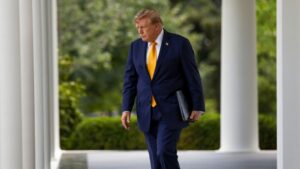
Donald Trump said on Wednesday that he has not made a final decision on whether to allow Turkey to purchase Lockheed Martin’s F-35 fighters. “I haven’t fully decided, but my inclination is to say: look, he has done everything, he has helped us in so many different ways,” Trump said of Erdoğan at the press conference following the NATO summit. Abandoning the Russian systems could improve relations between Ankara and Washington and pave the way for lifting sanctions on Turkey’s defense industry.
Turkey purchased the S-400s during a period of heightened tension with its NATO allies, which began under President Barack Obama’s administration and worsened following the failed coup attempt against Erdoğan in 2016.
During that same period, Ankara had sought to purchase American Patriot missiles, arguing that Washington showed no willingness to finalize the deal. That frustration formed part of Turkey’s justification for turning to Russia and acquiring the S-400s. Following Ankara’s exclusion from the F-35 program, the United States activated the CAATSA (Countering America’s Adversaries Through Sanctions Act) in 2020, imposing restrictions that prevented Turkey’s defense industry from accessing sensitive technologies.