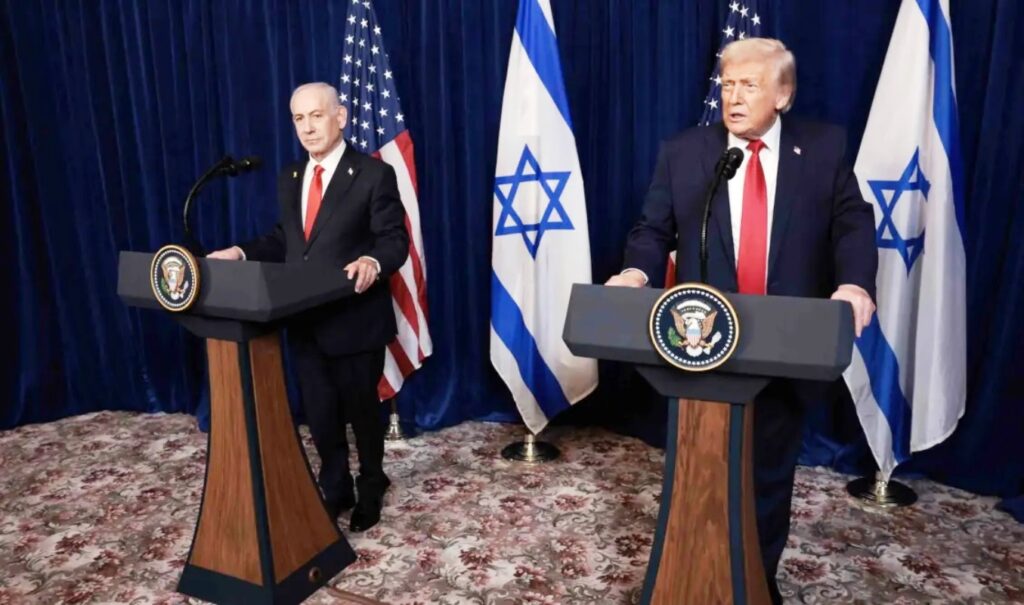
Benjamin Netanyahu and Donald Trump appear to be entering a new period of intense disagreements, sparked by the preliminary agreement reached between the United States and Iran for a cessation of hostilities. The agreement, which provides for a 60-day ceasefire and the restoration of shipping through the Strait of Hormuz, creates new dynamics in the Middle East, but simultaneously causes serious rifts in Washington-Tel Aviv relations. Israel is experiencing intense concerns, as many believe the agreement’s content significantly departs from the initial strategic objectives set during the conflict with Iran. Israeli leadership estimates that critical issues remain unresolved, heightening anxiety about developments in the coming period.
Read: Netanyahu to Trump: Israel not bound by “Lebanese clause” in Iran agreement
Netanyahu: Objections to the Iran agreement
According to information from Israeli government circles, the agreement is viewed with particular skepticism by Netanyahu’s government. Israeli officials characterize the agreement as “extremely negative” for the country’s interests, estimating it doesn’t substantially address Israel’s basic concerns. The most significant point of friction concerns the fact that issues such as Iran’s nuclear program, ballistic missiles, and Tehran’s influence through organizations like Hezbollah remain on the table without definitive resolution.
In Tel Aviv, there are fears that the negotiation period could extend for a long time, limiting Israel’s ability to proceed with military initiatives it considers necessary for its national security.
Netanyahu and Trump disagree over Lebanon
The relationship between the two leaders appears particularly strained due to developments in Lebanon. According to the same sources, Donald Trump desires limitations on Israeli military operations to facilitate the negotiation process with Tehran and maintain the fragile balance created by the agreement.
On the other hand, Benjamin Netanyahu appears reluctant to limit Israel’s moves against Hezbollah and other forces connected to Iran. The different approaches have created an apparent strategic divergence between the two allies. While the American side invests in diplomatic crisis management, Israel believes military pressure remains necessary to ensure the security objectives that have been set.
Israel’s message: “We are not bound”
Although Israel publicly avoids an open confrontation with the United States, behind the scenes dissatisfaction is intense. Government sources communicate that Israel doesn’t consider itself bound by the agreement’s terms and maintains the right to act unilaterally if it assesses that its interests or security are threatened.
This stance is interpreted by many analysts as a clear message to Washington that Tel Aviv doesn’t intend to abandon its own strategic pursuits in the region. Simultaneously, Israeli leadership estimates that restoring navigation through the Strait of Hormuz and temporary de-escalation are insufficient to address long-term threats it perceives from Tehran.
Political pressure and elections
These developments come at a particularly critical time for Benjamin Netanyahu. The Israeli Prime Minister faces mounting political pressure ahead of elections expected this fall. Polls record declining confidence from part of Israeli public opinion toward American security guarantees. The sense that the United States seeks compromise with Iran causes concern in a significant portion of Israel’s political system, which believes pressure on Tehran should continue.
Analysts note that the current crisis highlights for the first time so clearly a divergence of interests between Washington and Tel Aviv. If the agreement leads to permanent diplomatic settlement, relations between the two allies may undergo a new test. The coming period is considered decisive not only for the progress of talks between the US and Iran, but also for the cohesion of strategic cooperation between the United States and Israel, which for decades constituted one of the fundamental pillars of balance in the Middle East.