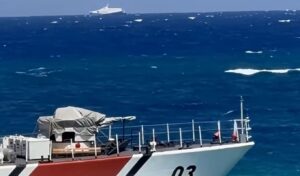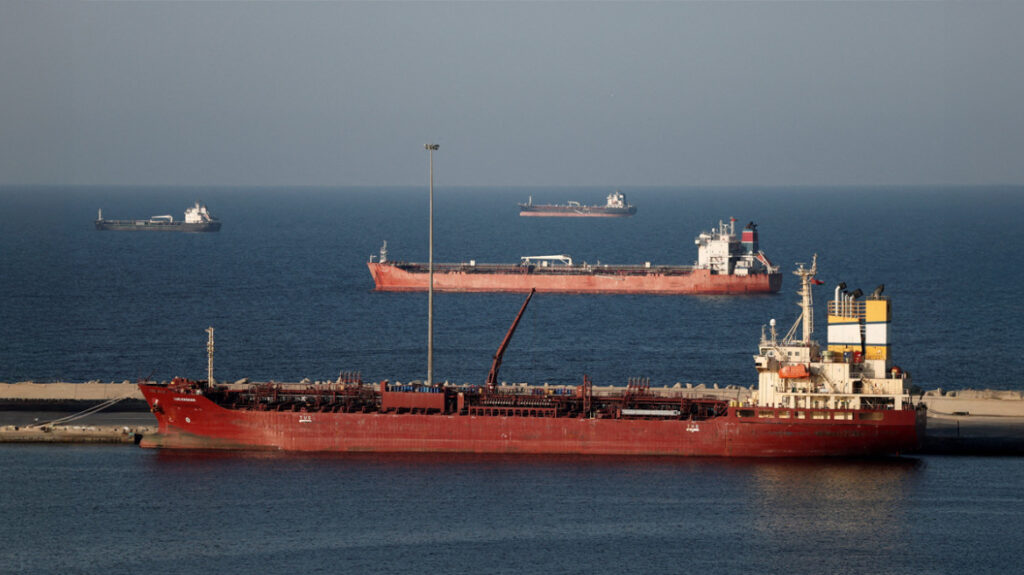
Despite assurances from Donald Trump that navigation through the Strait of Hormuz will return without charges after the maritime route becomes operational again, Iranian media reports leave open the possibility of maintaining a permanent charging mechanism for transiting vessels. If this information is confirmed, Tehran would retain significant influence over one of the most strategic passages in global trade.
The market already appears to be adapting to the new reality. In recent weeks, shipping groups and oil traders have reached agreements with Iranian authorities to ensure smooth supply to international markets, during a period when available stockpiles are showing shrinking trends.
According to Lloyd’s List reports, transit fees could be set at $2 million per tanker, a level that translates to approximately one additional dollar per barrel of oil. However, the cost may prove secondary compared to the risk of restricting or slowing down flows.
Strait of Hormuz: What will happen with maritime service fees
The critical issue is not so much the financial burden as Tehran’s ability to control the daily transit of approximately 140 tankers. As Alan Gelder of Wood Mackenzie points out, such a process could lead to delays and create new pressure points in the global energy market.
Analysis by Kpler estimates that imposing transit fees would have clearly milder consequences on oil prices compared to a complete closure of the Strait, provided that tanker traffic would return to pre-crisis levels.
Regardless of the final form that the control regime at Hormuz will take, doubts about the long-term security of the route appear likely to remain. Gulf oil-producing countries are already accelerating plans to diversify their export routes, seeking alternative solutions.
The situation is particularly complex for Qatar, which covers approximately 20% of the global LNG market. Bypassing the Strait requires not only new pipeline infrastructure, but also extensive investments in liquefaction units and export terminals.
The Iranian report on tolls at the Strait of Hormuz
The discussion was reignited following a report by Iranian news agency Fars, according to which the United States accepts the maintenance of maritime service fees after the end of the 60-day transition period. So far there is no official confirmation.
Should this scenario prove true, the consequences may be broader than the energy market, as approximately one-fifth of global oil and liquefied natural gas transportation passes through Hormuz, along with significant quantities of raw materials and industrial products, from fertilizers and aircraft fuel to helium and aluminum.
Conversely, a denial of the relevant information could once again change the circumstances surrounding the de-escalation agreement expected to be finalized in the coming days.
In any case, the possibility of imposing permanent charges raises legal issues, as it conflicts with the provisions of the UN Convention on the Law of the Sea (UNCLOS), which guarantees the right of unimpeded passage through international straits. Although the convention has been ratified by approximately 170 states and the European Union, neither Iran nor the United States are among the contracting parties.