With the OPEKEPE case recently in the public spotlight, the cycle of explanations by suspects to the European Prosecutor’s Office begins today regarding the case file concerning the granting of illegal subsidies by the organization during 2021-2022.
OPEKEPE: Who enters the European Prosecutor’s Office today
Non-political figures implicated in the case file that was recently forwarded to Parliament with a request to lift immunity for 11 New Democracy MPs are scheduled to cross the threshold of the European Prosecutor’s Office today, either in person or through their lawyers. These include, among others, high-ranking officials of the organization at the time, former presidents, directors and auditors of OPEKEPE, who have been called to provide explanations as suspects for committing the criminal act of breach of trust and other offenses. According to sources, they are expected to request a deadline to be informed about the case file formed against them and to prepare written explanatory memoranda to be submitted before the Greek delegated European prosecutors, Popi Papandreou and Dionysis Mouzakis, who are handling this specific case file.
OPEKEPE: Friday explanations for 11 New Democracy MPs
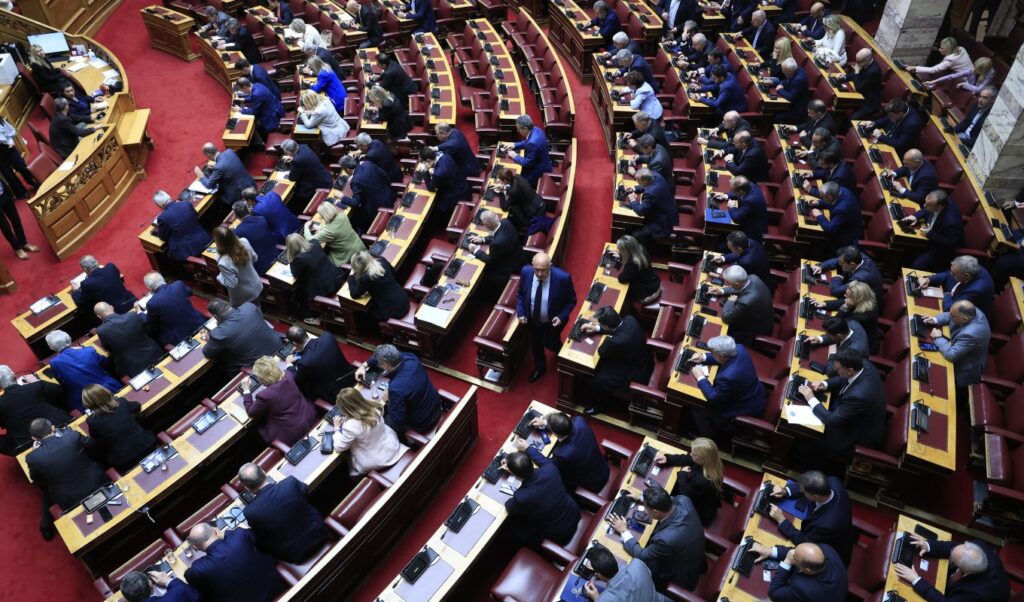
On Friday, the 11 political figures – New Democracy MPs whose immunity was lifted by Parliament – will take the “baton” to provide unsworn explanations before the Greek delegated European prosecutors. Summonses to provide explanations for felony charges have been received by Kostas Karamanlis and Katerina Papakosta, while for misdemeanor charges: Kostas Tsiaras, Notis Mitarakis, Dimitris Vartzopoulos, Maximos Senetakis, Theofilos Leontaridis, Kostas Skrekas, Vasilis Vasiliadis, Christos Boukoros and Yannis Kefalogiannis.
The political figures have been called to provide explanations as suspects – case by case – for acts of moral complicity in breach of trust, at felony and misdemeanor levels, moral complicity in computer fraud, and moral complicity in false certification. According to sources, it is very likely that some of them will not request a deadline and will submit their explanations on the same day, as they have already become aware of the case file formed against them since it was forwarded to Parliament. After completion of the explanations to be given by the suspects, the European Prosecutor’s Office will decide whether to proceed with criminal prosecutions or archive the case files for both political and non-political figures.
Kovesi’s intervention and objections to the Floridis amendment
All this comes in the aftermath of a letter sent on May 19 by European Chief Prosecutor Laura Kovesi to Giorgos Floridis, expressing objections regarding the Justice Ministry’s amendment to expedite cases involving political figures. Ms. Kovesi expressed her objections to the proposed provision, noting that it is incompatible with the European Prosecutor’s Office Regulation, as it assigns the main investigation for felonies to a special appeals investigative judge and sets strict timeframes for completing investigations. The Justice Ministry noted that the proposed provisions do not affect the competence of delegated European prosecutors and only seek to expedite the process. However, Mr. Floridis proceeded with technical improvements to the provision to ensure no doubt that the founding law for the European Prosecutor’s Office undergoes no changes. In any case, the provision voted by Parliament stipulates that for cases involving political figures, misdemeanor cases are introduced for trial within three months in the Three-Member Misdemeanor Court, while for felonies, the investigation by an appeals judge is completed within four months, and case introduction to the courtroom occurs with absolute priority within three months.