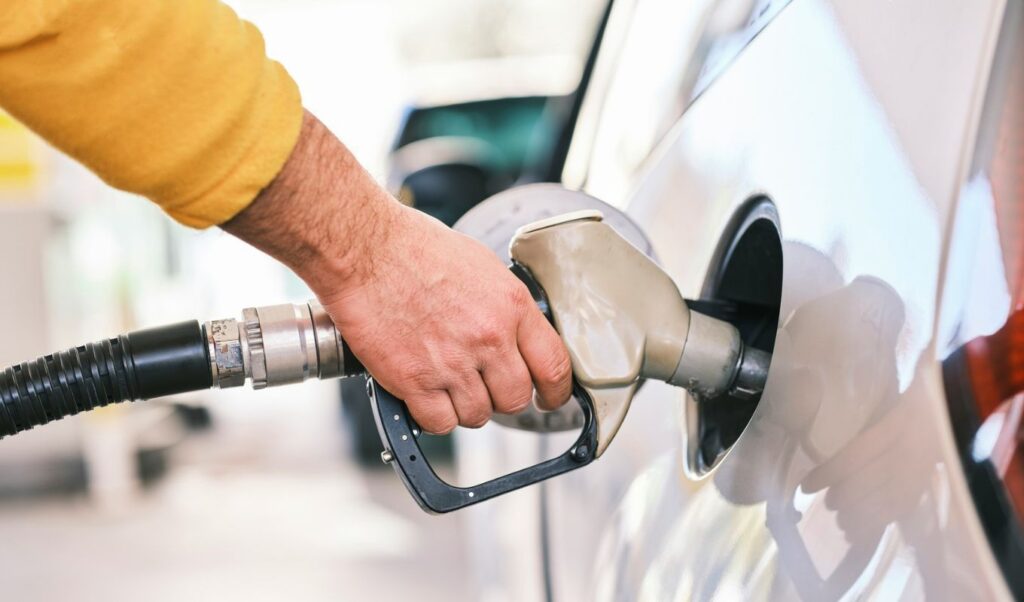
As the energy storm spirals out of control and threatens to trigger a new wave of price hikes, the Greek economic team is moving forward with a new extension of fuel subsidies for the first two weeks of November. At the same time, sources within the economic team are leaving open the possibility of expanding the measures should the situation deteriorate further.
Fuel subsidies on gasoline and diesel extended through November
Decisions on extending subsidies for heating oil, diesel, and unleaded gasoline are expected within the week, as the economic team closely monitors fluctuations in international prices and their impact on the domestic market. Brent crude has already surpassed $116 per barrel and is heading toward $120, while natural gas prices in Europe have surged above €93 per megawatt-hour.
Through October 31, 2026, the total subsidy on heating oil stands at 40 cents per liter — 20 cents covered by the state and the remaining 20 cents by refineries. For diesel, the support reaches 20 cents per liter, with 15 cents coming from the government and 5 cents from refineries. For standard unleaded gasoline, the subsidy amounts to 10 cents per liter, funded entirely by the state. The total cost of the measures stands at €48 million, while a fiscal buffer of €300 million leaves room for their continuation.
The government’s biggest challenge is securing
additional resources to strengthen the safety net without deviating from budget targets. To this end, Athens is pushing Brussels for greater flexibility in the use of funds under the energy escape clause. Specifically, what Greece is seeking is the reallocation of €300–400 million from the €1 billion earmarked for energy infrastructure toward targeted support measures for vulnerable households. This is no easy task, as the European Commission has shown reluctance toward such a move, with the Greek side now searching for allies to advance its case.
Against this backdrop, the upcoming European negotiations take on particular significance, with the calendar featuring three critical milestones: the Energy Ministers’ Council on October 29, the Eurogroup on November 9, and meetings of European leaders on November 13 and November 26–27, 2026. The scope of any additional relief measures the government can activate will depend on the outcome of these discussions as well as the fiscal headroom that emerges.
On the table are the reintroduction of the Fuel Pass, partial coverage of electricity and natural gas price increases, support for ferry transport, and the expansion of remote working in both the public and private sectors where feasible — all aimed at reducing commuting costs and easing the burden of expensive fuel on households.