The battle for extra fiscal space is moving to Luxembourg next week, as Athens fights to protect households and businesses from the storm of soaring energy costs.
Energy cost crisis: Athens fights for extra fiscal flexibility in Luxembourg
Greece is asking Europe for greater flexibility in fiscal rules, so that temporary support measures do not run up against net expenditure limits. The goal is to allow the additional VAT revenues flowing into state coffers — driven by successive waves of price increases — to be channeled into targeted interventions. However, achieving this will first require a European-level agreement.
Eurogroup and ECOFIN: The critical dates for support measures
The energy crisis will be a central topic at the Eurogroup meeting next Thursday, October 8, chaired by Kyriakos Pierrakakis, with discussions continuing on Friday, October 9 at the ECOFIN meeting. The ultimate political weight of the decisions, however, will fall on the European Leaders’ Summit on October 15 and 16.
Greece’s request has already been formally conveyed to Brussels through a letter from Prime Minister Kyriakos Mitsotakis to European Commission President Ursula von der Leyen. Athens is calling for two things: first, that temporary measures taken by member states to address the energy crisis should not count — up to a certain threshold — toward fiscal calculations; and second, that additional VAT revenues generated by rising prices should be available to support households and businesses.
The €950 million VAT windfall and Greece’s push for fiscal flexibility
This is essentially an effort to build an additional fiscal buffer in case the energy disruption is prolonged. According to government estimates, the additional VAT revenues amount to approximately €950 million, and Greece’s aim is to channel these funds back into the economy through targeted measures. The Greek request comes against a backdrop where European governments have deployed different tools to cushion the impact of the energy crisis, without any common framework on how far fiscal support should extend.
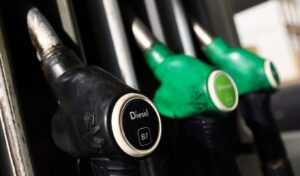
France, Italy, and Spain have all introduced support measures so far, including subsidies, tax relief, and direct support for households and businesses. Greece has already moved with fuel subsidies covering gasoline and diesel (the fuel pass program for April–May) and is now preparing a new package for heating oil.
Given that there is still no unified European approach, the government’s economic team is reluctant to exhaust all its “lines of defense” now, preferring to keep reserves in case international oil prices climb even higher or the energy turmoil proves longer-lasting.
A clearer picture of the Greek economy’s available margins is expected to emerge with the draft budget for 2027, which is to be submitted to Parliament on Monday. According to Finance Minister Kyriakos Pierrakakis, the planning has taken into account even the most adverse scenarios for the trajectory of the energy crisis, allowing the government to adjust its interventions as developments unfold.
Heating oil: The new support package and the October 14 decisions
The next critical milestone is October 14, when decisions on heating oil support are expected. The package will move in two directions — intervention at the pump price and a boost to the heating allowance — with the aim of providing an additional buffer for households.