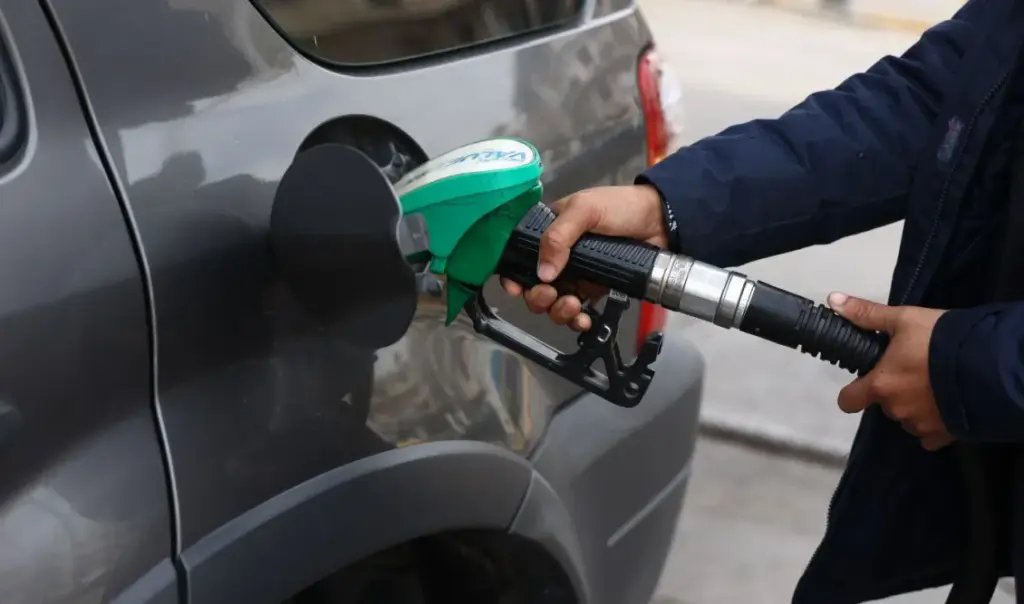
A warning signal is emerging from Excise Tax (ET) revenues, as the energy crisis and the wave of price hikes appear to be curbing fuel consumption and putting the brakes on household travel. With gasoline and diesel prices holding steadily above the €2 per liter mark, the cost of everyday car journeys has become an increasingly heavy burden for families and small to medium-sized businesses. Indicatively, on September 24th, the average nationwide price of unleaded gasoline reached €2.199 per liter, while diesel hit €2.224 per liter.
Read more: Mitsotakis’ 5-point fuel plan: Dual state-refinery intervention with 15+15 cents on diesel, profit margin caps and pressure on Brussels over excise taxes and VAT
Fuel excise tax revenues fall €230 million short of target
This situation is beginning to leave its mark on state coffers. According to data from the Ministry of National Economy and Finance, excise tax revenues for the eight-month period from January to August totaled €4.662 billion, falling €230 million short of the target. August’s figures are particularly telling. Revenues from this category came in at €698 million, missing the target by €6 million — and this was still a month before pump prices had climbed to their current levels.
How rising costs are affecting fuel consumption
The problem for households extends well beyond liquid fuels. More expensive energy adds yet another financial strain at a time when price hikes on essential goods and services are steadily eroding consumers’ disposable income and purchasing power. During the eight-month period, VAT revenues reached €20.544 billion and, even after excluding €306 million from the Egnatia Motorway concession agreement, exceeded the target by €905 million. In August alone, VAT revenues reached €2.804 billion, surpassing the target by €166 million.
A warning sign for state revenues
The revenue trend reveals a telling paradox: rising prices may be boosting VAT revenues — since the tax is calculated on higher prices, driving more tax income into state coffers — but at the same time, soaring fuel costs are suppressing consumption and cutting into excise tax receipts. For the government’s economic team, the trajectory of excise tax revenues represents yet another warning sign. If fuel prices remain at these levels, the coming months will reveal whether the revenue shortfall is a temporary deviation or reflects a more fundamental shift in consumer behavior.
Two key dates for fuel policy
The first signal from the government is expected on September 30th, when fuel-related measures will be announced, including an extension of the diesel subsidy. The second key date is October 14th, when new announcements regarding heating oil are expected, ahead of its market availability starting October 15th.