Scenario after scenario is being examined at the Maximos Mansion and by the government’s economic team, as officials calculate how much fiscal strain the national budget can absorb. With millions of households and businesses bracing for the impact of a fresh energy shock, the government is urgently exploring ways to provide meaningful relief. At the center of discussions are immediate, targeted support measures that could be activated if energy market conditions deteriorate further and rising costs continue to erode living standards.
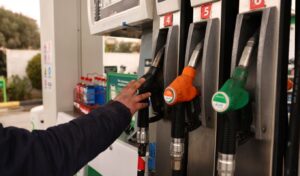
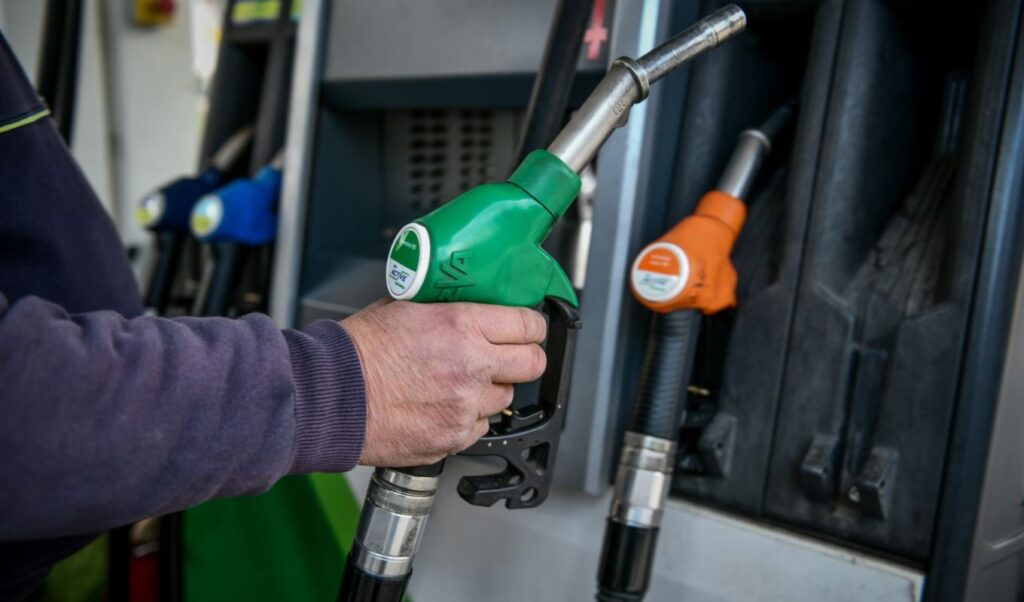
Daily price hikes at the fuel pump — driven by Brent crude climbing to $110 per barrel — are one of the primary sources of concern. At the same time, the international price of natural gas has surged to €84 per megawatt-hour, a development that is directly pushing up electricity generation costs.
As a result, wholesale electricity prices are hovering near €190 per megawatt-hour, piling pressure on both households and businesses. The government is closely monitoring the situation, while the relevant ministries of Finance, Environment and Energy, and Development have already begun assessing the available room for intervention.
There are no signs of a slowdown. In the Greek market, the average price of unleaded petrol could reach as high as €2.20 per liter by the end of the week, up from the current €2.15, while diesel is expected to climb well above its current level of €2.11 per liter. The projections for heating oil are particularly alarming. Without a price correction, it is forecast to start at between €1.80 and €1.90 per liter — compared to €1.13 last year — making it financially out of reach for hundreds of thousands of consumers. Against this backdrop, four key measures are under government consideration for extension, expansion, or reactivation, depending on the scale of any new crisis:
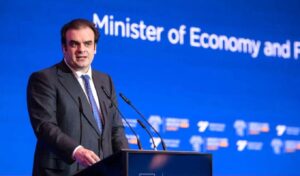
- Increasing the payment amounts and broadening the eligibility criteria and number of beneficiaries for the annual heating allowance, which covers oil, natural gas, pellets, liquefied petroleum gas (LPG), firewood, and more. Currently, the allowance ranges from €100 to €800 — or up to €1,200 depending on the coldness of the region (measured in degree-days). Approximately 1.2 million households receive the heating allowance each year, at a total annual cost of around €195 million. Earlier this week, the spokesperson for the Ministry of National Economy, Omiros Tsapalos, stated that for the next winter season of 2027–2028, an increase of up to €100 in the allowance is being considered for around 780,000 beneficiaries who heat their homes with oil, natural gas, or LPG. However, if deemed necessary and sufficient funding is secured, the measure could potentially be brought forward and applied as early as the current 2026–2027 season.
Read more at iapogevmatini.gr.