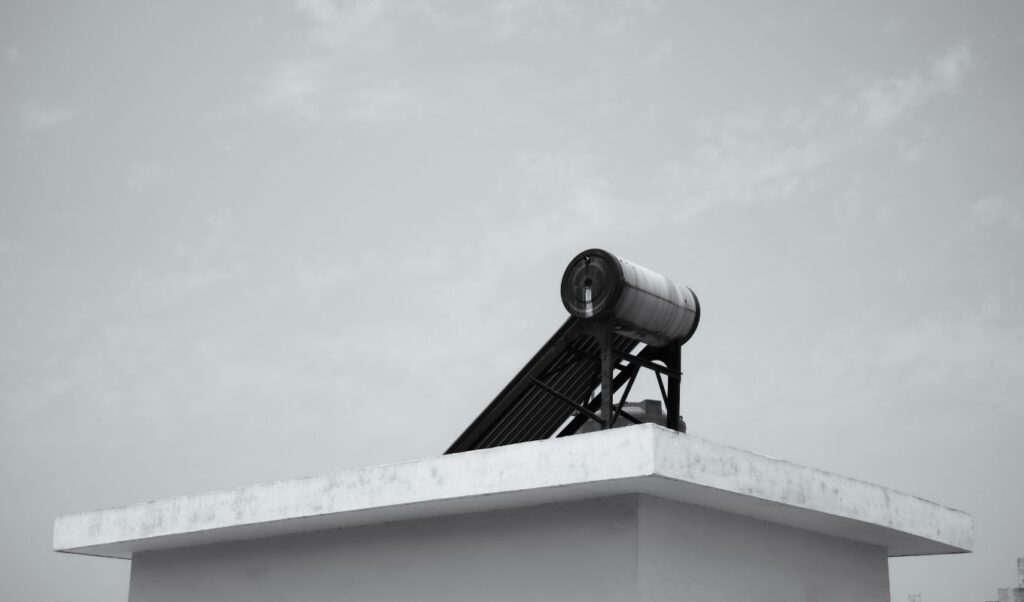
The Ministry of Environment and Energy is set to allocate €200 million for the purchase of heat pumps and solar water heaters, with a firm focus on launching disbursements as quickly as possible — avoiding the delays that have plagued previous energy upgrade programs. According to the plan, the funding will be distributed through successive subsidy rounds, each worth tens of millions of euros, with applications processed on a first-come, first-served basis, as reported by Kostas Deligiannis for powergame.gr.
At the same time, the exact timeline for launching the new program remains uncertain. According to sources, a decisive factor will be the method used to select the implementation consultant. Two alternatives are currently on the table, and the choice between them will determine whether the first applications can be submitted immediately or whether the program’s launch will be pushed back to 2027 — which is currently considered the most likely scenario.
It should be noted that this new program is one of the key interventions announced by the Ministry of Environment and Energy (MEEN) to reduce household energy costs, drawing on fiscal resources from the escape clause. According to the plan presented by Environment and Energy Minister Stavros Papastavrou and Deputy Minister Nikos Tsafos during the unveiling of the roadmap to cut electricity prices by 30%, the total budget stands at €200 million including VAT, with an estimated 100,000 households expected to benefit.
Smaller funding rounds for faster absorption
According to powergame.gr sources, the key difference compared to previous similar programs will be in how the funds are distributed. Rather than opening the entire budget in a single call, the plan envisages successive funding rounds, each covering amounts that could range indicatively from €10 million to €30 million.
The full €200 million will therefore be channelled to applicants gradually through consecutive calls. This approach is expected to make it easier to manage and complete applications within each round, without requiring a large volume of files to be evaluated before investments can begin.
An equally important aspect is that, according to the same sources, eligibility will be determined on a first-come, first-served basis. This means that applicants who submit complete and eligible applications first will secure priority access to the available funding within each round, until that round’s budget is exhausted.
This approach is also designed to speed up fund absorption, as it reduces the time needed to rank and process potential beneficiaries. At the same time, however, it makes early preparation crucial for interested households, so they can apply as soon as the relevant platform goes live. In any case, the full details of the model are expected to be clarified in the program’s official guidelines.
Heat pumps and solar water heaters: Two scenarios for the program’s launch
Before the program can get off the ground, one key organizational issue must be resolved: the selection of the consultant who will manage its implementation. According to sources, the most likely course of action is for MEEN to launch a new competitive tender process to appoint a consultant. In this case, the time required to advertise and complete the tender would delay the program’s start, pushing the launch into 2027.
There is, however, a second option that could significantly accelerate the process. This involves extending the contract of the consultant who managed the previous equivalent program, “Change Your Heating System and Water Heater,” which was funded through the Recovery and Resilience Facility.
If this option were chosen, it could open the way for an immediate call for the new program, bypassing the need for a new tender. It should be noted, however, that this scenario is considered the less probable of the two.
50%–55% subsidy for 100,000 households
On the financial side, MEEN’s published plan provides for a 50% subsidy on the purchase of a heat pump or solar water heater. The rate will increase to 55% for vulnerable households, giving them greater coverage of the associated costs.
Based on the ministry’s estimates, approximately 32,000 beneficiaries will receive funding for the purchase of a heat pump, while 68,000 will be supported in acquiring a solar water heater.
The subsidy aims both to reduce energy consumption for domestic hot water production — by harnessing solar energy — and to promote the wider adoption of more efficient heating systems. Heat pumps in particular can significantly reduce the energy required to heat a home compared to conventional electric resistance heaters or older heating systems, depending on operating conditions and building characteristics.
It is worth noting that while the headline subsidy rates have been announced, the detailed terms of participation are yet to be finalized. These will need to include all eligible expenses, maximum grant amounts, and the documentation required for applications. The drafting of the program’s implementation guide — which will be developed in collaboration with the appointed consultant — will therefore be a critical next step.