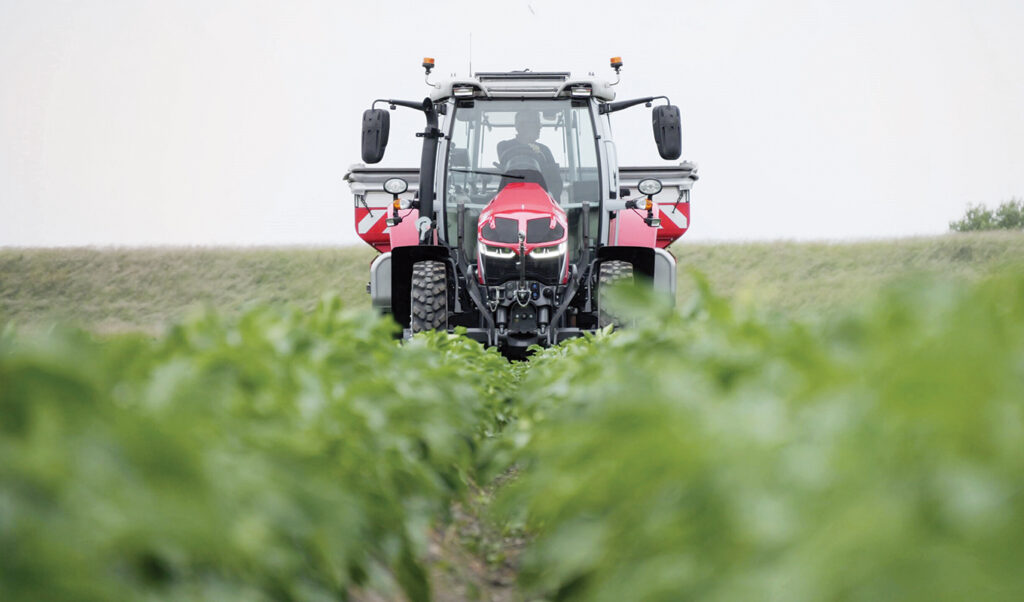
Despite a mild summer this year and better-than-expected agricultural output compared to last year, Greece appears unable to avoid a new wave of price hikes in food and other basic goods.
New wave of food price hikes as “Reduced Price” initiative winds down
Reports are already pointing to significant price increases across supermarket shelves — particularly in food products — as the government’s informal agreement with the market expires for most items covered under the “Reduced Price” initiative. Signals coming from international organizations paint a troubling picture.
Global pressures on agricultural commodities
The UN Food and Agriculture Organization (FAO) food price index has risen by 6% between last February and August — an increase that is gradually being passed on to consumers. Meanwhile, the latest agricultural commodities report from Piraeus Bank reveals a staggering 20% price surge in key global commodities over the last quarter. According to the bank’s analysts, in August alone the commodity index jumped 4%, while the broader commodities index recorded an even sharper rise of 7.6%.
70% of the production cost of a fertilizer depends on natural gas
According to the Piraeus Bank report, the rise in the agricultural commodities index primarily reflects growing concerns about global supply, as climate risks in key production regions — driven by the El Niño weather phenomenon — have maintained upward pressure on prices across several agricultural markets. The stronger performance of the broader commodities index, meanwhile, is largely attributed to rising energy prices, with geopolitical tensions serving as a key driver of support for commodity prices. Greece’s Hellenic Statistical Authority (ELSTAT) also recorded an average 2.4% increase in the input price index for agricultural producers during the February–July period of the current year.
Natural gas and fertilizers drive up production costs
This increase is being fueled by two main factors: rising energy costs and rising fertilizer costs. According to ELSTAT, both factors have increased by 9% over the period under review. The European Commission (DG Agri) reports that phosphate fertilizers have risen by 22% since last February, reaching €739 per tonne. Increases in nitrogen- and potassium-based fertilizers have been more modest. However, it should be noted that these figures do not yet account for the latest and more significant surge in natural gas prices. Since the production cost of these fertilizers is heavily tied to natural gas, their prices are expected to climb even further in the coming weeks.
Phosphate fertilizers have risen by 22% since last February
It is no coincidence that the European Commission approved a €540 million farmer relief package in mid-July to help cover fertilizer purchases. As part of this package, the Greek government offered subsidies to farmers covering 15% of the value of fertilizer purchases from early April through the end of August — a measure that cost €48 million, according to the latest estimate from the Ministry of National Economy. That measure has now expired, but as long as the crisis in the Persian Gulf persists and natural gas futures hover between €70 and €80 per megawatt-hour (MWh), it is widely expected to be reinstated. According to the European Commission, 70% of the production cost of a fertilizer depends on natural gas.
In Greece, agricultural product prices had, until now, benefited from the mild summer. As a result, prices for key produce such as vegetables and fruit eased compared to last summer, which was marked by prolonged heatwaves. However, those favorable weather conditions will not carry over into the approaching autumn and winter.
Feta, bread and meat prices are heading upward
In contrast to the situation with crop-based agricultural products, prices for animal products have been pushed higher by unpredictable factors. For instance, while dairy product prices have remained stable internationally, they have been steadily rising in Greece due to serious outbreaks of animal diseases affecting local production. Prices are expected to spike particularly for feta cheese, as well as other cheeses and dairy products made from sheep and goat milk. Feta has already surpassed €12 per kilogram and, in some commercial varieties, exceeds €15 per kilogram.
Where the biggest price increases are expected in the coming months
Significant price hikes are also expected for bread, with bakers’ associations having already announced increases in the range of 8% to 10%. Bakers cite soaring energy costs as a primary driver, alongside high rental costs and intense competition from large bakery chains and supermarkets. Finally, meat prices are also rising sharply, as domestic production continues to decline. The increases are most pronounced in beef and lamb/goat meat.
Published in Parapolitika