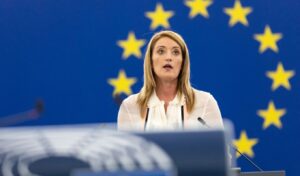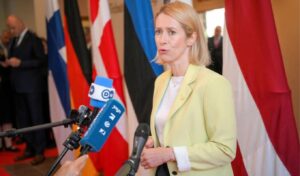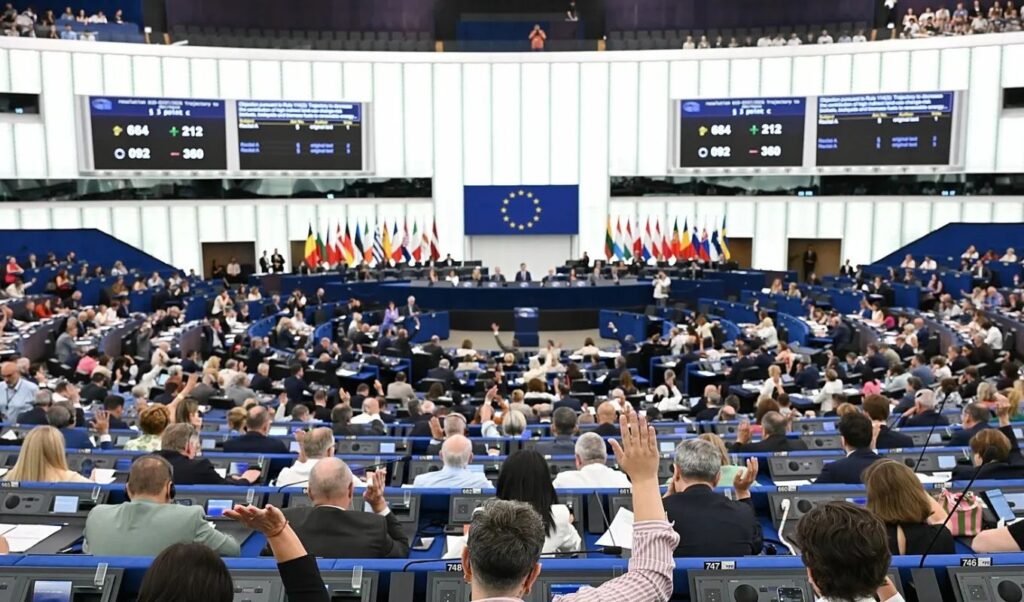
The new political season at the European Parliament is getting underway in a Europe that must simultaneously manage multiple, interconnected crises. MEPs are returning to Strasbourg after the summer recess and are confronted with a particularly demanding agenda — at a time when developments in security, the economy, migration, and society are testing the resilience of the European Union.
Read also: Europe turns to US Patriot missiles to bolster Ukraine’s air defenses — key debates unfold in the European Parliament (Video)
Defense, the Middle East crisis, and the everyday lives of Europeans take center stage
At the top of the agenda is European defense and the urgent need to strengthen member states’ readiness. Russian hybrid threats, the war in Ukraine, and broader geopolitical instability are making the debate over European security increasingly pressing — as is the question of what role the Union must play in an environment of escalating risks. Meanwhile, the situation in the Middle East continues to raise serious political and humanitarian concerns, while migration remains one of the greatest challenges facing European policymakers. The situation in Ceuta serves as yet another reminder that managing migration flows requires a common European strategy — not piecemeal national responses. Also on the agenda are issues that directly affect the daily lives of millions of Europeans. Climate policy, healthcare staffing shortages, the cost of living, and bureaucracy that burdens both citizens and businesses together form another complex puzzle that Europe must solve. The EU is being called upon to prove that it can protect its economic and social cohesion.
A dual challenge for European institutions
The new political season in Strasbourg, therefore, does not begin as just another period of parliamentary debate. It opens at a critical juncture for the European Union itself. The stakes are higher than usual: what is truly being tested is Europe’s capacity to respond to crises, restore citizens’ trust, and forge a convincing answer to the forces that challenge the European project.
European institutions face a dual challenge. On one hand, they must navigate an increasingly complex geopolitical environment, reinforcing Europe’s security and strategic autonomy. On the other, they must demonstrate to citizens that the decisions made in Brussels and Strasbourg have a real and tangible impact on their everyday lives. At the same time, extreme weather events are a constant reminder that climate change is no longer a distant scenario. Its effects are already visible, placing new pressures on infrastructure, economies, and local communities.
And amid all of this, there is the reality of citizens’ daily lives. Access to healthcare, staff shortages, the cost of living, the competitiveness of European businesses, and bureaucratic red tape are issues that often shape voters’ political behavior far more than any grand European strategy. This is where the real political test lies. Europe does not simply need more decisions. It needs decisions that can be understood, implemented, and that deliver concrete, measurable results.
The rise of the far right in Germany and the strengthening of similar political forces across other countries is a warning sign. The response cannot be purely institutional or a matter of better communication. Citizens are demanding security, stability, better prospects, and a Europe that is capable of protecting their interests in a rapidly changing world.
Strasbourg is now being called upon to send the first signal.
The new parliamentary term will not be judged solely by the decisions that are taken, but by whether Europe can convince the world — and its own people — that it has a plan.
View this post on Instagram.