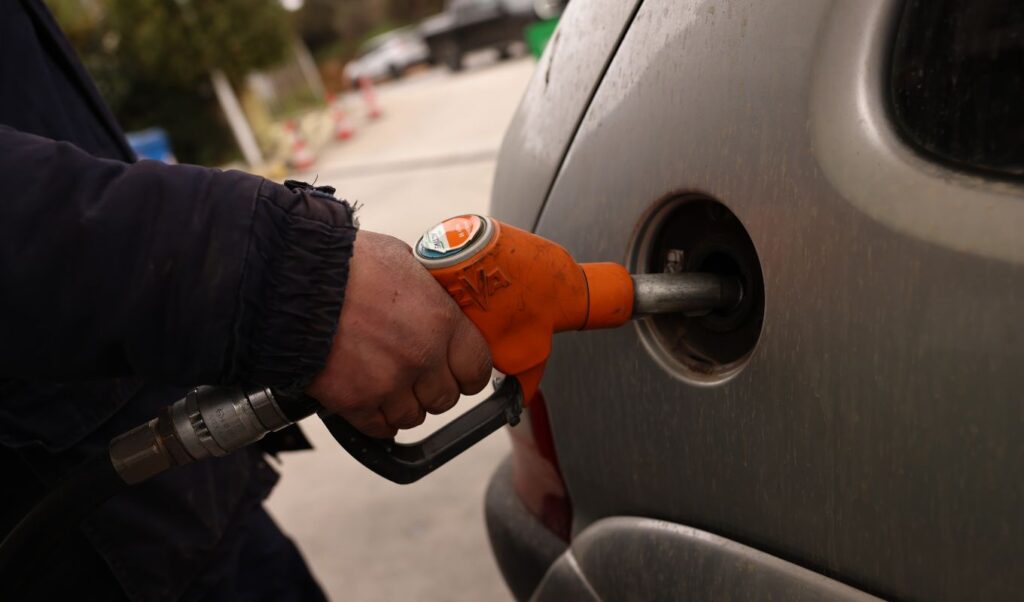
With the average nationwide price of unleaded gasoline already surpassing €2 per liter and diesel recording similarly high prices, serious concerns are being raised about the cost of living — especially as vacationers return to urban centers and the potential removal of certain subsidies looms on the horizon.
Read also: Fuel prices: Gasoline and diesel above €2 — critical decisions on subsidies ahead of September 1st
As Nikos Papageorgiou, president of the Attica Fuel Retailers Association, explained on Tuesday morning (25/08) on MEGA TV: “Starting next week, people will begin returning. That’s when we start to see three scenarios emerging for the beginning of September. The first concerns what will happen with subsidies — specifically, whether Greece’s two domestic refineries will continue to subsidize both gasoline and diesel prices. That will partly determine where prices end up. The other question is whether the Greek government will continue subsidizing diesel, which, from what we’re hearing in the market, it likely will.”
Where will gasoline prices go?
“The second scenario depends on where Brent crude oil prices will settle. Although we’re seeing that refined product prices — both gasoline and diesel — don’t have direct mechanical support from Brent crude. In other words, there is no consistent correlation between the two prices, particularly when it comes to diesel and fuel products in general. If prices hover around the $90 mark, where we currently stand, retail prices should remain at around €2 per liter, or perhaps slightly below.”
“We can’t predict what will happen two months from now”
“If prices climb to $100 per barrel and the worst-case scenario plays out, we could see gasoline prices reaching approximately €2.15 per liter, with diesel also rising to around €2.15–€2.20. These are the three scenarios we expect to play out from September onward. Unfortunately, any forecast we can make is short-term. We simply don’t have the ability to say what will happen two months from now.”
It is worth noting that 60% of the final fuel price in Greece is made up of indirect taxes — specifically the Special Consumption Tax and VAT — a reality that leaves both consumers and fuel retailers as the ultimate losers in this equation.