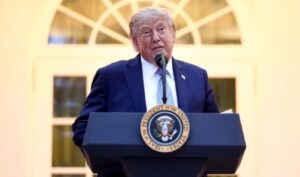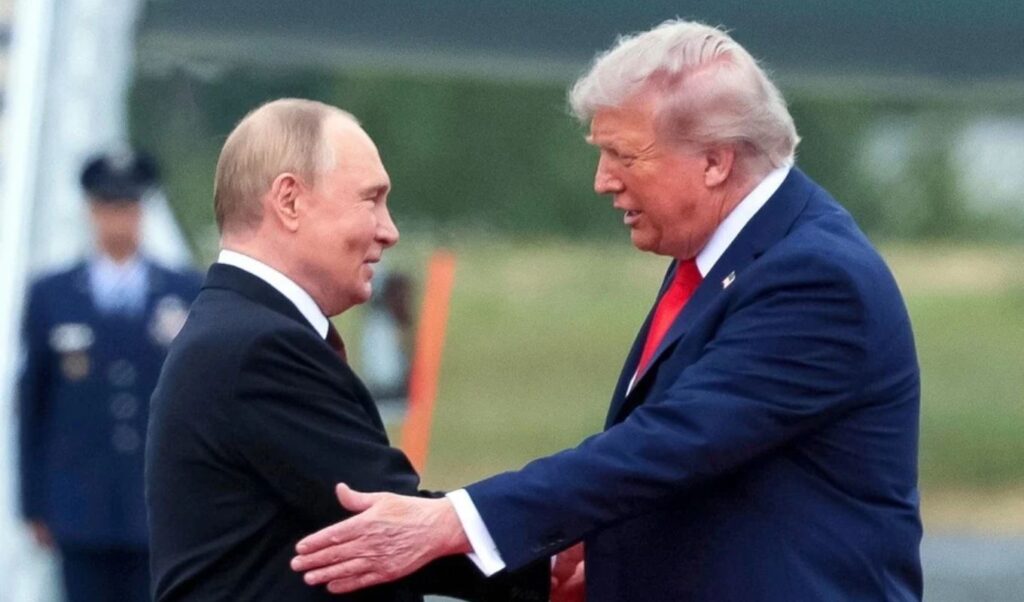
Donald Trump‘s recent deal to bring Russian diesel into international markets represents a strategic move aimed at drawing Moscow back to the negotiating table to end hostilities in Ukraine. According to exclusive reporting by Reuters, American diplomats presented this approach to Ukrainian officials during a critical meeting held in Miami.
Read also: Trump on the diesel deal with Putin: “I made the right choice — the EU paid $250 billion to Russia”
The diplomatic strategy behind the diesel deal
At last Friday’s meeting, US Special Envoy for the Middle East Steve Witkoff, alongside Jared Kushner, Donald Trump’s son-in-law, laid out the reasoning behind this controversial agreement. Three independent sources confirmed to Reuters that the American side presented the initiative as a response to Vladimir Putin‘s reluctance to engage in peace talks. The deal calls for the release of more than 2.25 million barrels of Russian diesel into both the American and international markets. Two of the sources cited by Reuters suggest that this energy agreement could help create the right conditions for the resumption of trilateral negotiations between Washington, Moscow, and Kyiv.
The message to Russia and the backlash
The rationale presented to Ukrainian officials was straightforward: Washington is seeking to signal to Moscow that it is ready for cooperation, while expecting a reciprocal response from Vladimir Putin. However, Donald Trump’s decision has sparked sharp criticism in the US capital, with detractors arguing that the deal economically benefits Russia without securing concrete concessions toward peace. On Monday, October 12, Donald Trump publicly defended his decision, calling it the right choice for the American people. His administration argues that the increased fuel supply will help bring down energy prices — a critical issue ahead of the upcoming midterm elections.
According to two sources cited by Reuters, Jared Kushner reiterated during the Miami meeting the US government’s request that Ukraine halt its strikes on Russian oil refining facilities. Donald Trump has repeatedly argued that these military operations are contributing to higher global fuel prices, although many analysts attribute the pressure on energy markets primarily to developments in Iran. One of the sources described the American strategy in the following terms: Washington could argue to Moscow that, since Ukraine has stopped its attacks and the US has moved forward with an energy deal, it is now time for Russia to reciprocate.
The disputed energy ceasefire
On Sunday, Donald Trump announced that Russia and Ukraine had reached an energy ceasefire agreement. Yet neither Moscow nor Kyiv officially confirmed the existence of such a deal. Tellingly, the very next day Russia launched strikes against energy infrastructure in Ukraine, casting serious doubt on the American president’s claims. A source close to the Kremlin described the diesel deal as a mechanism for bringing Russia back to the negotiating table. Despite Trump’s assurances that Vladimir Putin wants a deal to end the war, Ukrainian and European officials remain skeptical about Moscow’s readiness to halt military operations in the near term.
Analysts believe the Russian diesel deal will have minimal impact on fuel prices in the United States. The volume set to enter the market amounts to less than one day’s worth of diesel consumption by the American transportation sector alone — a fact that fundamentally undermines the Trump administration’s core argument. According to Reuters, Ukrainian officials received the American approach with skepticism, viewing it as an attempt to incentivize Russia through economic benefits without securing any firm commitments toward a peace settlement.
Previous attempts to engage Moscow — Ukraine’s position and security guarantees
The Trump administration has made previous attempts to draw Moscow into a negotiated solution, exploring options including the easing of economic sanctions and potential agreements in the natural resources sector. These moves, as Reuters notes, have not meaningfully altered Russia’s fundamental demands. A source close to the Kremlin indicated that Vladimir Putin would return to negotiations only if he secured control of the remaining 11% of the Donbas, allowing him to present the outcome as a military victory on the domestic front.
Ukraine has categorically rejected the possibility of territorial concessions. However, it has left open the prospect of a ceasefire along the current front line as a potential basis for a peace agreement. At the Miami meeting, Witkoff and Kushner reminded Ukrainian officials of the military assistance and intelligence support that the US has provided to Kyiv. According to Reuters’ sources, no threat was made to cut off this support should Ukraine refuse to halt its strikes on Russian refineries.
The broader agenda of the Miami meeting
European officials also took part in the talks, while World Bank representatives joined via video conference. The agenda included discussions on:
- Security guarantees for Ukraine after the war
- The funding required for the country’s reconstruction
- Plans to attract international investment
- Long-term economic development
The meeting took place following Witkoff and Kushner’s visits to Moscow and Kyiv in September. At the time, the American envoy spoke of fresh momentum in diplomatic contacts and expressed hope that a new round of talks could begin shortly. The World Bank declined to comment on the reports.
The escalating tensions between Trump and Zelensky
The Russian diesel deal has further strained relations between the United States and Ukraine. Volodymyr Zelensky described the American decision as weak and a gift to Vladimir Putin, openly expressing his disappointment with Donald Trump’s policy. On Saturday, Donald Trump stated that Zelensky could have ended the war many times over, and added that Ukraine needs a new president — remarks that further escalated tensions between the two leaders.
Despite the disagreements, Ukrainian officials left the Miami meeting without making any formal commitments, though they appeared willing to consider an energy ceasefire, provided Russia also agreed. The critical question that remains unanswered is whether the diesel energy deal can serve as an effective lever to restart negotiations, or whether it will remain merely an economic arrangement with no meaningful progress toward ending the war in Ukraine. According to Reuters, the coming weeks will be decisive in determining the effectiveness of Donald Trump’s strategy toward Vladimir Putin.