Greece achieved the second-largest reduction in diesel prices among the 27 EU member states between April and May, in a sign that the country managed to keep price increases in check for the most critical fuel in the supply chain, amid the global energy crisis triggered by the war in the Gulf.
Read also: Oil: Fuel prices plunge following US-Iran deal — from $80 to $100 per barrel
Eurostat: Global price trends and the May reduction
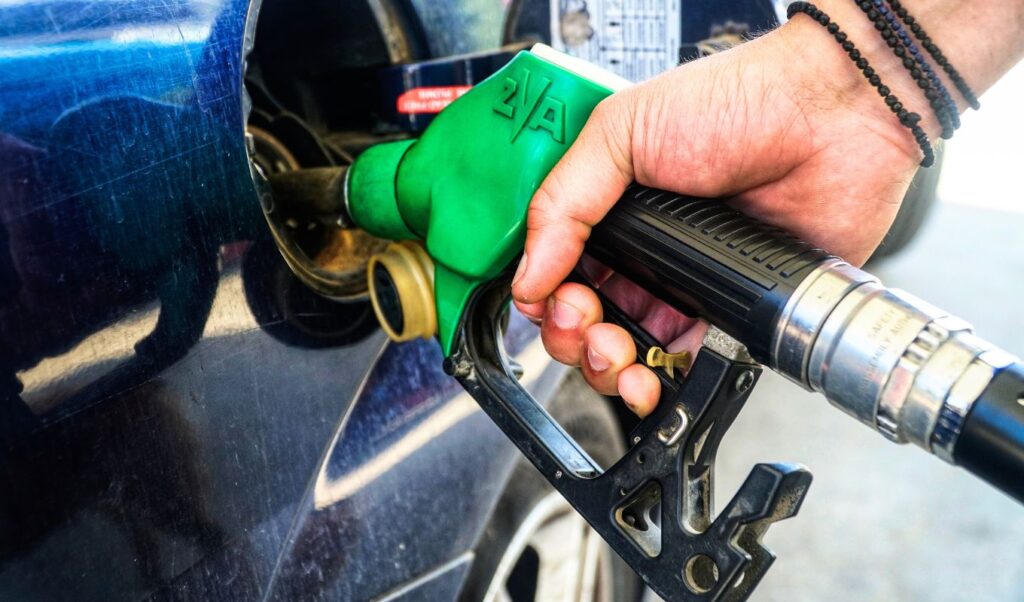
According to the latest data from Eurostat, the cost of diesel at the pump fell by 8.5% in May compared to the previous month — even though the Strait of Hormuz remained closed at the time, global crude oil supplies were facing serious disruptions, and uncertainty persisted over the sustainability of the US-Iran ceasefire.
It is worth noting that, based on daily bulletins from the Greek Ministry of Development’s price monitoring unit, during the first week following the 60-day agreement to reopen the Strait of Hormuz — announced last Sunday — the average nationwide diesel price has already dropped by 8.5 cents per litre, indicating that the downward trend in prices is continuing.
May was the second consecutive month in which the Greek government implemented a subsidy of 20 cents per litre on diesel fuel. The government placed particular emphasis on this specific fuel, as it directly affects transportation costs and can therefore generate broad and significant inflationary pressure across a wide range of goods and services.
While many European countries opted for temporary reductions in VAT or excise duties on fuel to cushion the impact of the war, only Germany achieved a larger diesel price reduction than the subsidy-based approach chosen by Greece between April and May — months that cover approximately two-thirds of the Middle East conflict. The EU average diesel price reduction stood at 5.8%, significantly lower than Greece’s figure.
The diesel subsidy has been extended into June as well, though at a reduced rate of 15 cents per litre.