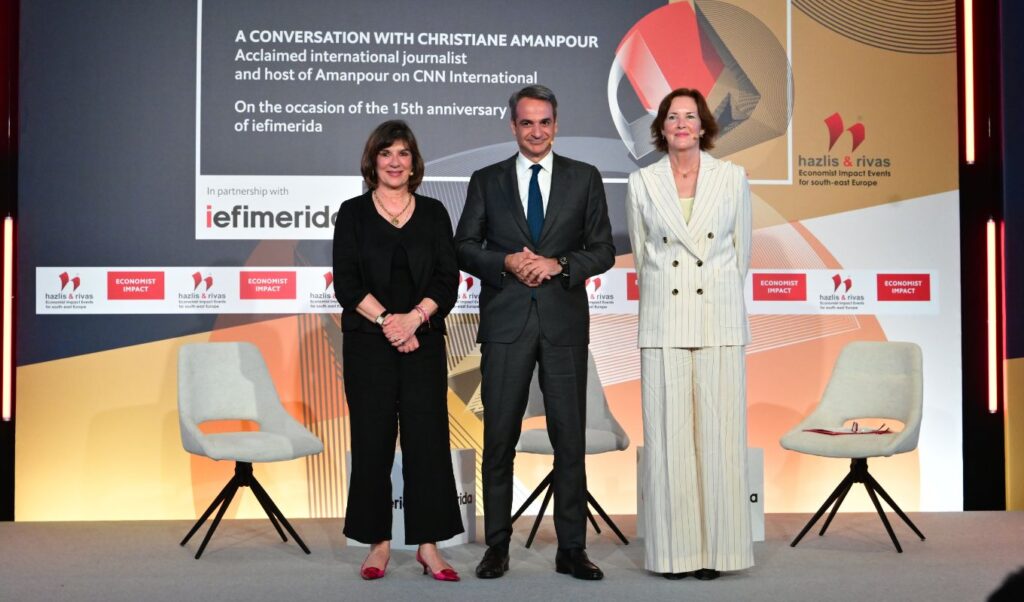
Prime Minister Kyriakos Mitsotakis presented Greece’s strategic position in the modern geopolitical environment during his discussion with CNN journalist and anchor Christiane Amanpour on Tuesday evening, June 9, 2026, at an event co-organized by The Economist and iefimerida.gr titled “Mapping the Future.” The Greek prime minister emphasized that the country traditionally finds itself on the right side of history, connecting this observation to the current economic recovery and structural changes that have been implemented. “In an era of geopolitical disruptions, power matters,” the prime minister noted, insisting that “it is important to read the international environment.” As he mentioned, Greece is no longer “the black sheep” of the European Union, but a country that actively participates in shaping European decisions.
Read: Who attended the “Mapping the Future” event for iefimerida’s 15th anniversary
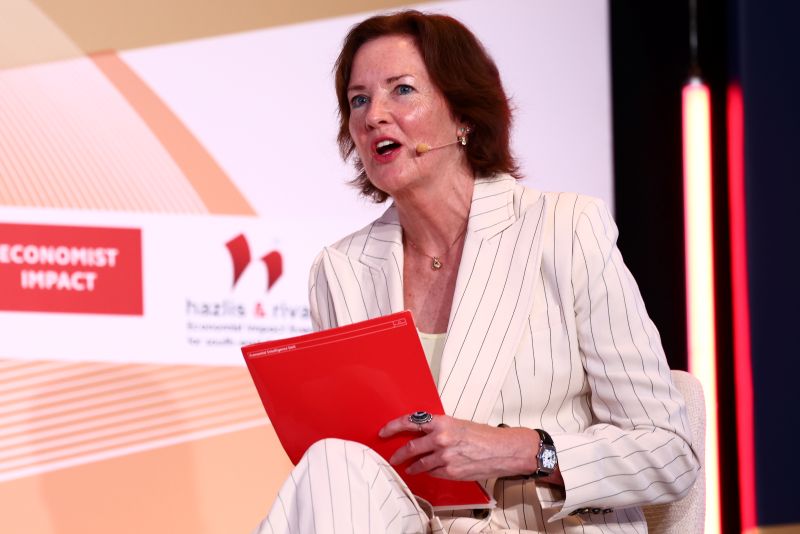
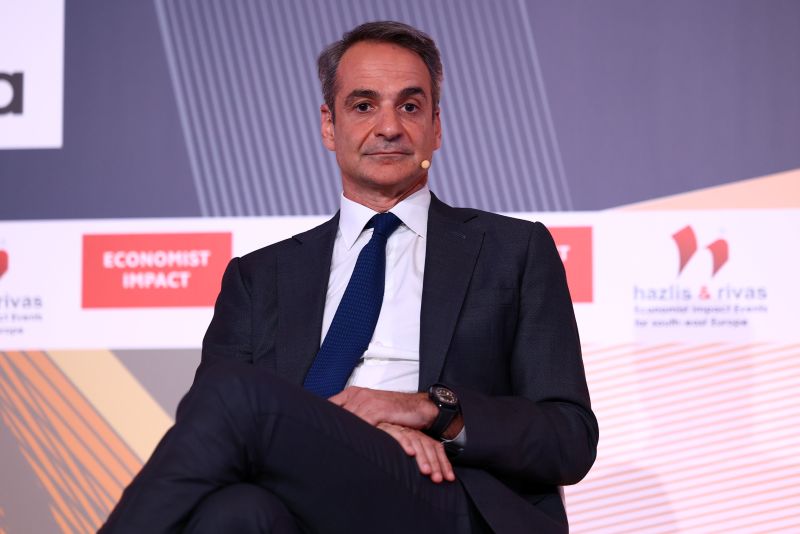
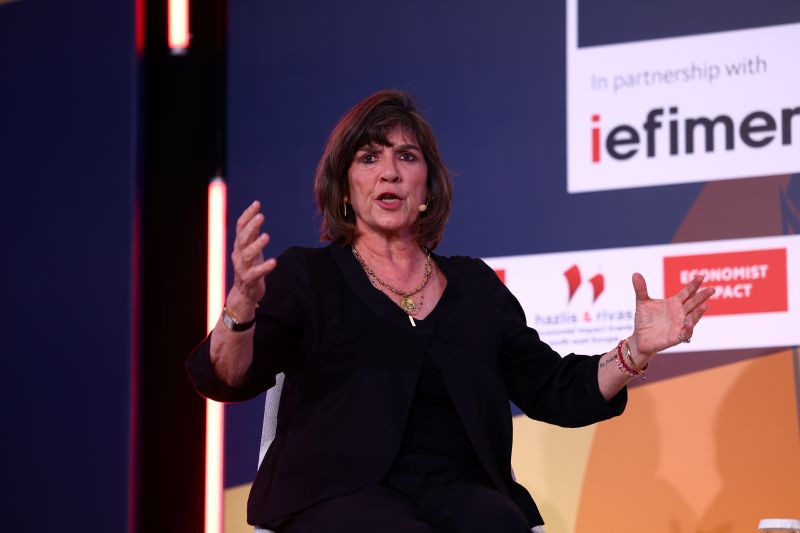
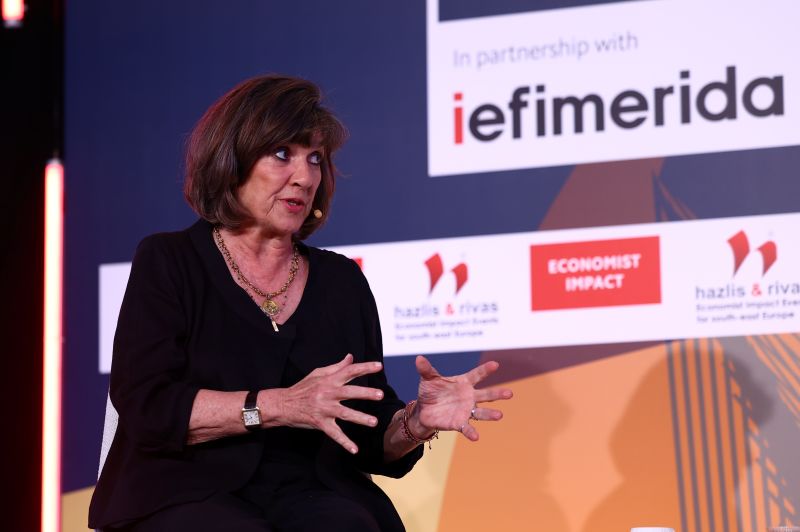
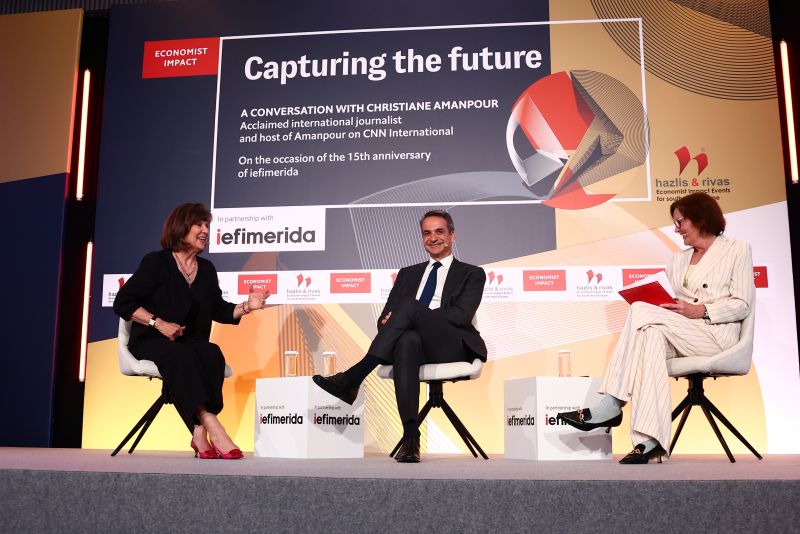
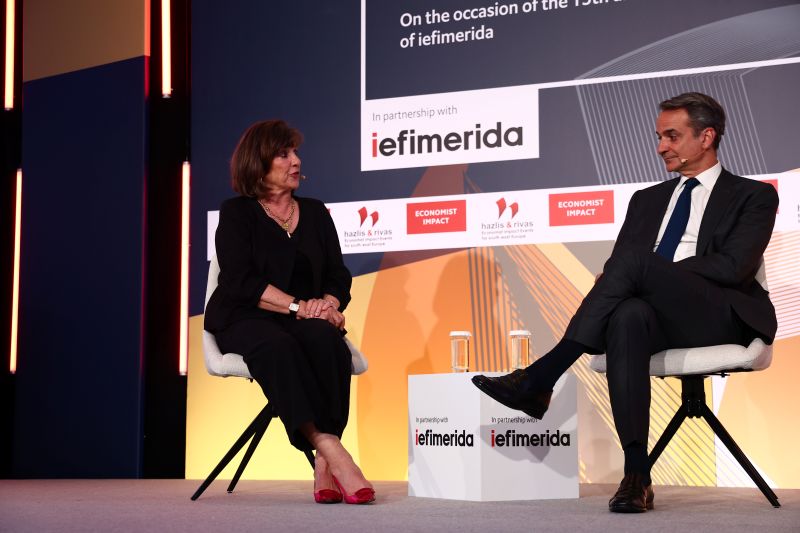
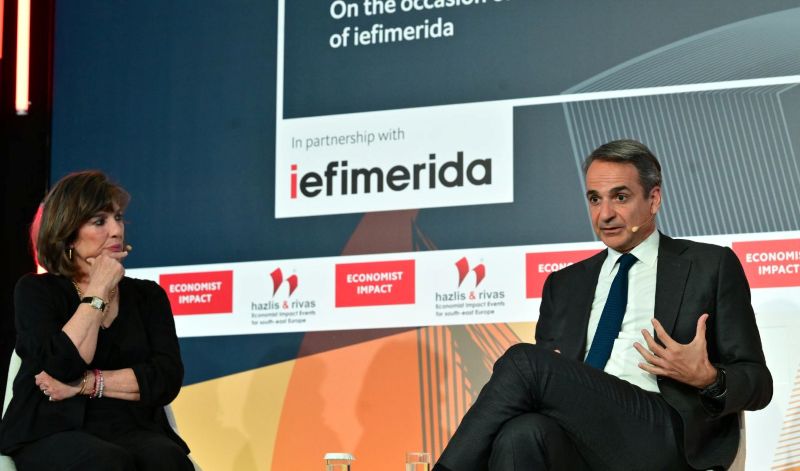
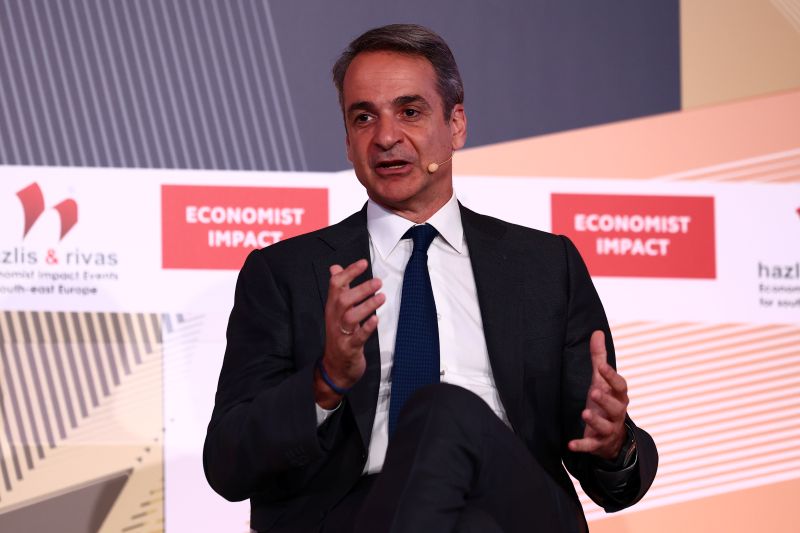
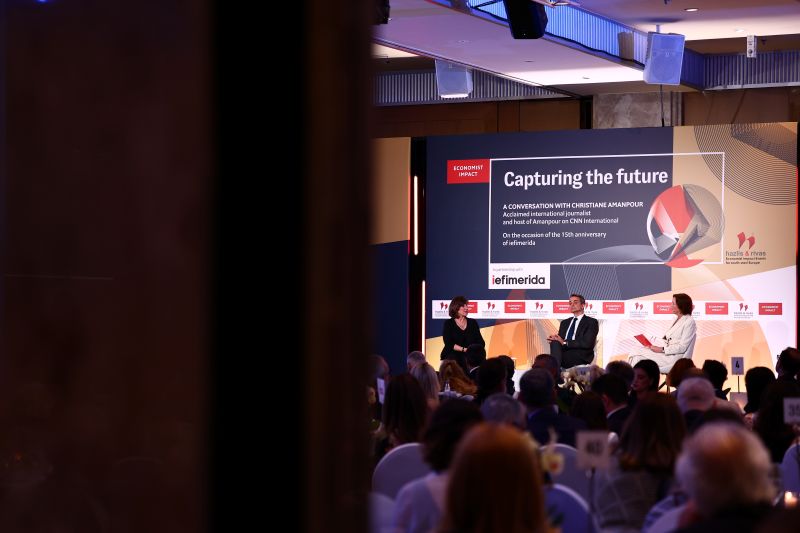
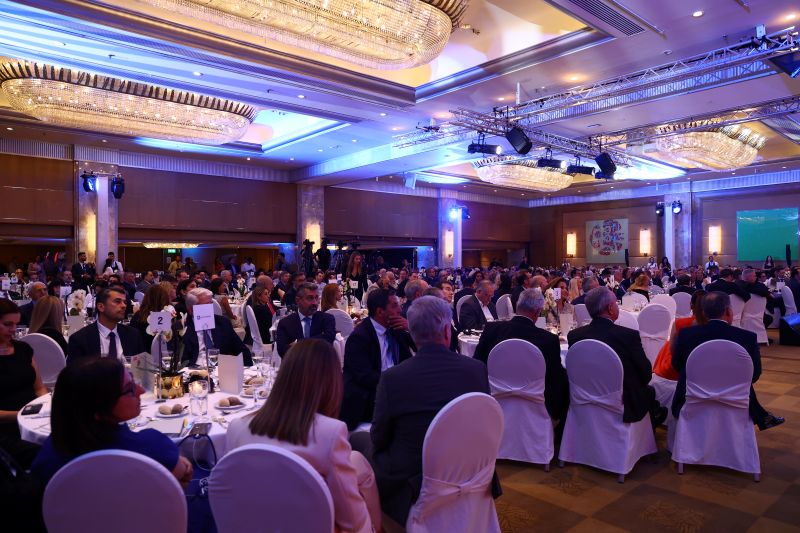
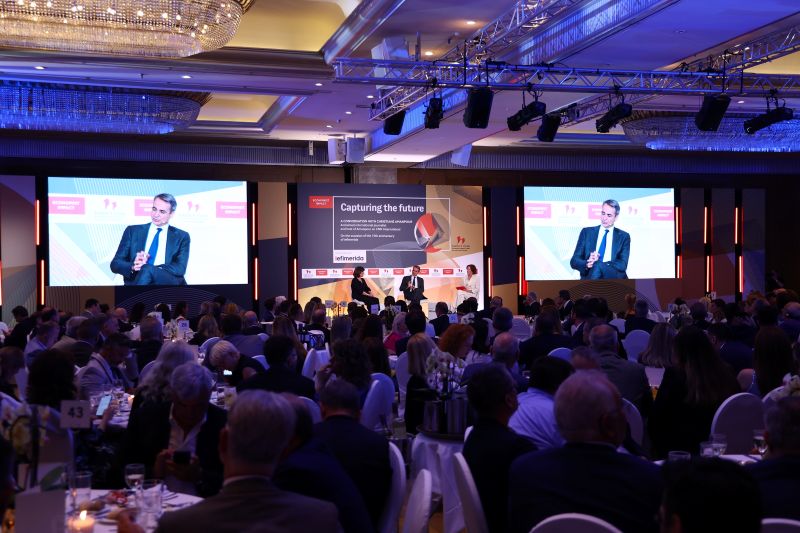
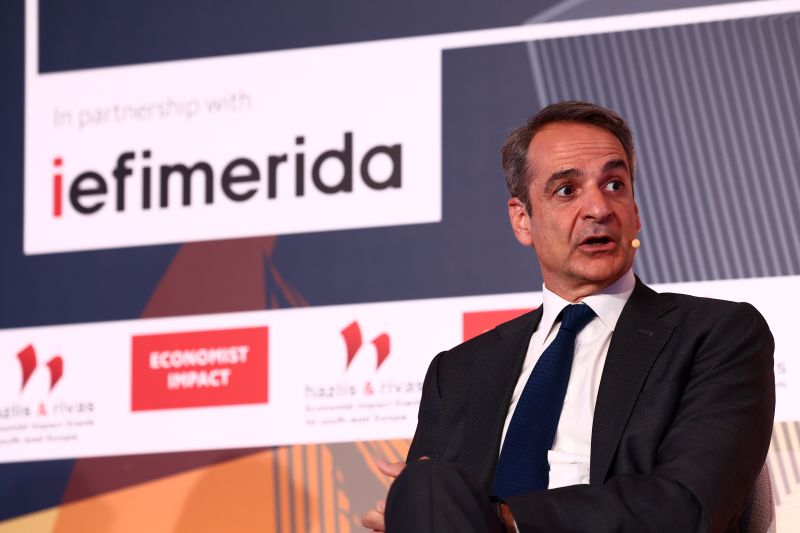
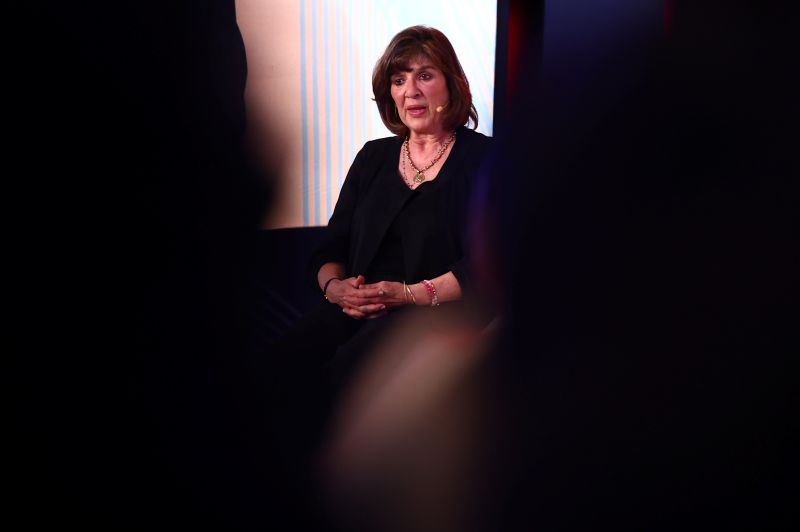
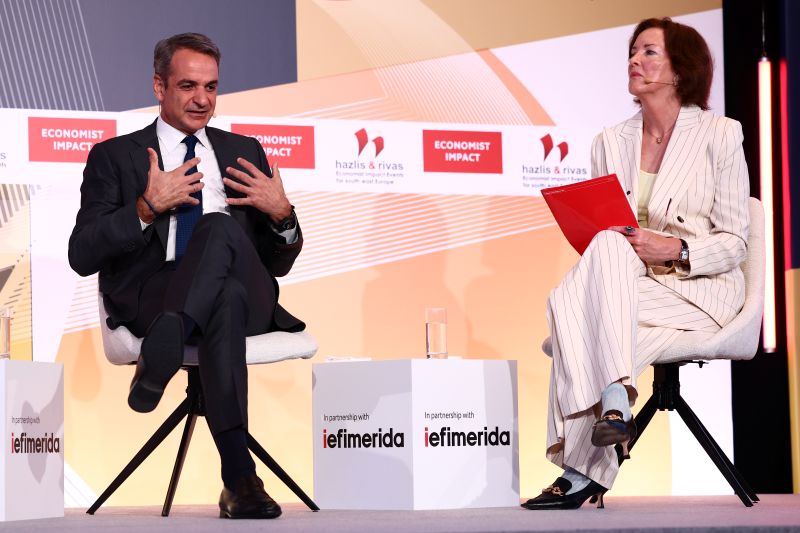
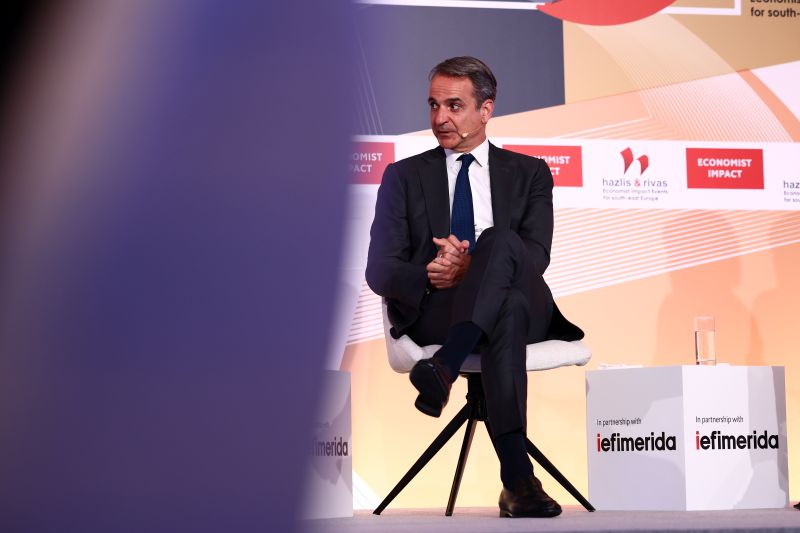
Kyriakos Mitsotakis: We hope to find natural gas
The prime minister particularly emphasized the dual identity of Greek foreign policy, as both European and transatlantic. “As Greece, we must be clear that we are devoted members of the EU,” he said, adding however that the country has “an alliance with the United States that we intend to honor, as we have been doing for many years.” According to Kyriakos Mitsotakis, the Greece-US relationship has stable depth and broad recognition in Washington. “Our relationship is recognized by both parties,” he said, noting that Greece is treated as a “pole of stability for the region.” In the same context, he emphasized that “there are opportunities emerging for Greece,” particularly through changes taking place in foreign policy and international relations.
He made special reference to the energy sector, which he connected to the country’s geostrategic position. “The energy mix we need to have includes natural gas,” he mentioned, reminding that “Greece has a hydrocarbon exploration program” and adding: “We hope to find natural gas.” The prime minister also focused on cooperation with American companies, highlighting that Greece’s geographical position creates new possibilities. “The US can export LNG to Europe and we can supply all our northern neighbors,” he noted, describing the country as a critical energy hub for the broader region.
“We want to be significant players on the US side,” he emphasized, connecting energy with Greece’s strategic upgrade. He made special mention of shipping, pointing out that the country controls “a high percentage, one-fifth of the global fleet,” an element that, as he said, has particular importance for LNG transport and “brings something new to the discussion.” In the defense sector, Kyriakos Mitsotakis emphasized the need to strengthen European deterrent capability. He spoke about “increasing defense spending” so that “the EU can defend itself” while remaining “an active member of NATO.” The prime minister connected European defense with the transatlantic relationship, emphasizing that “we must find ways to align with the US.” As one such example, he mentioned the 3+1 scheme, while emphasizing that he “does not question” long-term cooperation with Israel, especially in the defense field.
“Abnormality, the new normal”
He also referred to the lessons of recent years from wars and upheavals in the broader region. “Much will depend on the final outcome of the conflict,” he noted, emphasizing that prolonged uncertainty and the situation in the Strait of Hormuz tend to become “the new normal.” Kyriakos Mitsotakis warned that these developments “will have a major impact on the global economy,” especially in the field of energy and oil prices. As he said, the critical issue is whether energy will remain “economically accessible,” emphasizing that price stability is a basic prerequisite for development.
In the same context, he reminded that after the pandemic Greece managed to increase wages, reduce inflation and unemployment, insisting that economic resilience is directly connected to the international environment. “It is not clear if we can find common ground for the two sides to agree,” he said, adding that “a framework for agreement must be found.” He also emphasized the need to ensure free trade and navigation. “There should be a way for free trade and navigation. This issue concerns us very much,” he stressed, directly connecting international security with Greek interests, energy and shipping.
“Europe’s war”
Regarding the war in Ukraine, Kyriakos Mitsotakis emphasized that “Ukraine has always been a European war,” reiterating that Greece steadfastly defends International Law and the principle that “borders cannot be changed by force.” As he said, this position constitutes a “significant part of our foreign policy.”
The prime minister made special reference to Mariupol, noting that it was among the first cities to be destroyed and reminding of the strong Greek element that existed there. Describing today’s image of the war, he said that “everything is frozen and destroyed,” while the military conflict is now conducted largely “at a distance.” Kyriakos Mitsotakis emphasized that Vladimir Putin must understand that “he will not achieve his goals militarily,” characterizing Russia’s demands for Ukraine to abandon territories as irrational. “It could not be acceptable to any leader,” he noted.
At the same time, he expressed hope for “concrete security guarantees for Ukraine,” while supporting that European sanctions have an impact. As he mentioned, Europe is closer to the point where Russia will realize that “it cannot continue this war.” The prime minister reminded that Greece “took steps forward,” sent aid to Ukraine and “carried the burden that corresponds to it.”
Starting the discussion, the prime minister also made special reference to journalism. “It is a great honor to share the stage with Christiane,” he said, adding that “in an era of disinformation it is important for journalism to be impartial.”
“One intervention after another”
Christiane Amanpour, for her part, a legendary journalist who has been at CNN since its first day and has her own podcast with the simple and concise title “Amanpour,” set the tone on the situation in the United States and clarified that right now in journalism, impartiality is a priority. “It is very difficult to report and give all sides. I think in recent years this has been clarified, due to Trump as well. I had told friends that I would give him six months to show where we are going, but I found myself confused, because right now there is chaos. I don’t know what the goal is,” Christiane Amanpour initially said about how she reads the moves of the Trump administration. She raised various questions concerning moves that need to be made inside and outside the walls, which have not received clear answers.
The journalist spoke about the need for impartiality in her profession, emphasizing that a way must be found for Gen Z to come closer to the media. Christiane Amanpour characterized Joan Hoey’s question about the war in Iran as “the million-dollar question.” The CNN journalist emphasized that the data is not clear about whether the war will actually continue. “It doesn’t seem to me, but I may be wrong, that a professional negotiating class can handle this difficult negotiation. I’m sorry about this, because I think there is no military solution to this part. We need to have a serious professional approach, all of us. It would be better if they had a better relationship with the United States,” she commented. “There is no peace agreement and we see that the Israeli government is occupying more and more territory in Gaza and people are miserable there. And when you see such misery, whether in Ukraine or the Middle East, it is not sustainable. Iran does not want a Palestinian state and if you talk to Arab leaders, this