The revised plan of the AADE provides for conducting 4,000 audits on freelancers and businesses classified in the high-risk zone for tax evasion. The audits will be targeted and, using specialized Artificial Intelligence algorithms, will focus on specific business sectors and geographical areas of the country, with the main goal of strengthening tax compliance and limiting violations. It is indicative that in 2025, similar preventive audits recorded a total violation rate of 34.2%.
Read: AADE: Targeted audits on the Athenian Riviera – €84,000 in fines and three temporary closures
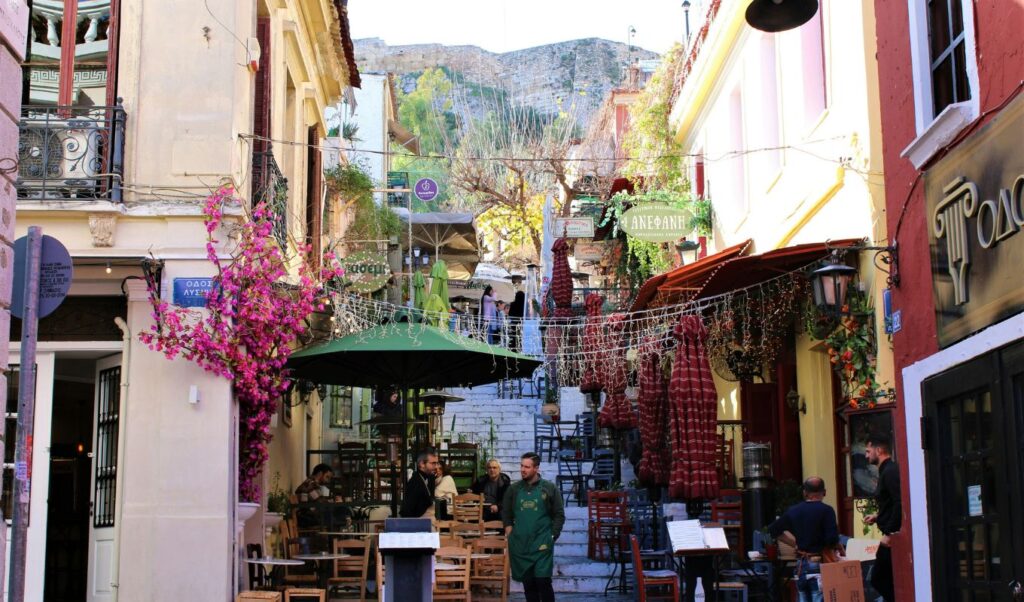
According to the planning, the focus will be on tourist and urban areas with increased transactional activity and extensive use of cash, with emphasis on sectors such as catering, entertainment, tourist accommodations, retail, vehicle services, private services and wholesale trade, where there is an increased risk of non-issuance or inaccurate issuance of tax documents. The catering sector remains chronically at the center of audit actions, as last year the Independent Authority’s special teams swept more than 22,000 businesses with the violation rate exceeding 32.4%. Similarly, in retail, 11,149 audits were conducted, with violations at 29.3%.
Under the microscope of audit authorities will also be hotels, rental rooms and villas, travel agencies, marine activity businesses, as well as vehicle and boat rental companies. Regarding businesses directly connected to tourism, such as restaurants, cafeterias, beach bars, hotels and rental accommodations, violations in 2025 reached 33.7%. Meanwhile, AADE’s enforcement teams will also target wholesale trade in food, pharmaceuticals, technology items and metals, as these specific sectors are linked to high contribution to the VAT gap.
Geographical areas
At the forefront of audits are high-seasonality island tourist areas such as Cyclades, Dodecanese, Crete, Ionian Islands and more specifically Mykonos, Santorini, Paros, Naxos, Rhodes, Kos, Zakynthos, Corfu, Chania, Heraklion. On these islands there is increased risk due to large transaction volumes, seasonal businesses, catering, beach bars, accommodations and tourist services. Following are audits in major urban centers such as Athens, Thessaloniki, Patras, Heraklion, Larissa, Volos, Ioannina. The audits will not miss areas with intense short-term rental activity either. According to the tax administration, the basic pursuit is preventing phenomena of non-issuance or inaccurate issuance of tax documents, income concealment or non-compliance with electronic data transmission obligations.
Selection criteria for tax numbers
The selection of audited tax numbers is based on risk analysis, myDATA/POS/VAT cross-references, violation history and seasonal characteristics of high tax risk, making the audit more effective as it utilizes available data from declarations, electronic transactions, myDATA, POS and previous tax behavior. Specifically, the tax number selection criteria are:
- Low declared receipts in relation to POS, myDATA or sector turnover,
- Frequent receipt cancellations or credit invoices,
- Non-transmission or delayed transmission of documents,
- Large seasonal activity with low VAT declarations,
- Purchase-sales discrepancy,
- Businesses with previous violations,
- Businesses with strong social media presence but low declared income,
- Areas with large deviations between actual tourist traffic and declared revenues.
The implementation of audits will be monitored by the Tax Compliance Directorate to ensure proper implementation of the objective. Through monitoring, not only the number of audits performed can be checked, but also their quality, geographical and sectoral distribution, findings, violation rates and the effectiveness of targeting criteria.