Chionovounou gains new additional environmental protection through the ministerial decision signed by Environment and Energy Minister Stavros Papastaurou, which significantly extends the protection regime for the mountainous ecosystem of Laconia. The announcement was made on World Environment Day, with the minister visiting Chionovounou, which is now fully integrated into the “Untouched Mountains” framework. With the new regulation, approximately 60 additional square kilometers acquire special protection status, bringing the total protected area to nearly 90 square kilometers. The decision is considered particularly significant as it strengthens the protection of an ecosystem with high environmental, natural and cultural value, while being part of the ministry’s overall strategy for biodiversity conservation and protection of the country’s mountain ranges.
The new ministerial decision concerns the part of Chionovounou that until now was not within the Natura 2000 network. In this way, almost the entire area gains a unified protection framework, as the same terms and restrictions that already apply to the mountain section included in the Natura network are now implemented.
Papastaurou: What the new decision provides
The Environment and Energy Ministry’s decision follows a previous ministerial decision issued in 2026 concerning the part of Chionovounou located within the Natura 2000 protected area. The new regulation establishes strict protection terms for almost the entire area. The goal is to ensure long-term conservation of natural ecosystems, limit human interventions that alter the landscape, and strengthen biodiversity protection.
The “Untouched Mountains” framework is considered one of YPEN’s most ambitious initiatives for the natural environment. It is an environmental planning tool applied to mountainous areas with particular ecological value and is considered pioneering at the European level. With Chionovounou’s inclusion, the country’s “Untouched Mountains” now number 13. Among the basic restrictions provided is the prohibition of opening new roads and creating new infrastructure that could negatively affect natural ecosystems.
Papastaurou: Environmental protection objectives
According to the ministry, the new decision aims to halt land use changes, considered one of the most significant causes of biodiversity loss at European and global levels. Additionally, it seeks to prevent ecosystem fragmentation from new roads and artificial interventions, preserve the area’s flora and fauna, protect bird life, and safeguard the landscape’s special natural and cultural characteristics.
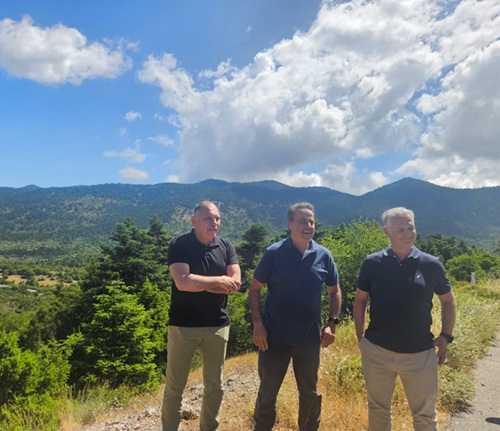
Particular emphasis is also placed on maintaining gentle traditional activities that do not disturb the natural environment, as well as developing nature-related tourism forms such as hiking, mountaineering and ecological tourism. After completing his visit, Stavros Papastaurou stated: “Protecting our natural wealth is not an abstract concept or luxury. It is our obligation to future generations and a necessary prerequisite for sustainable development. Chionovounou represents another natural treasure of our homeland, Laconia and the Peloponnese, with significant environmental and cultural value.”
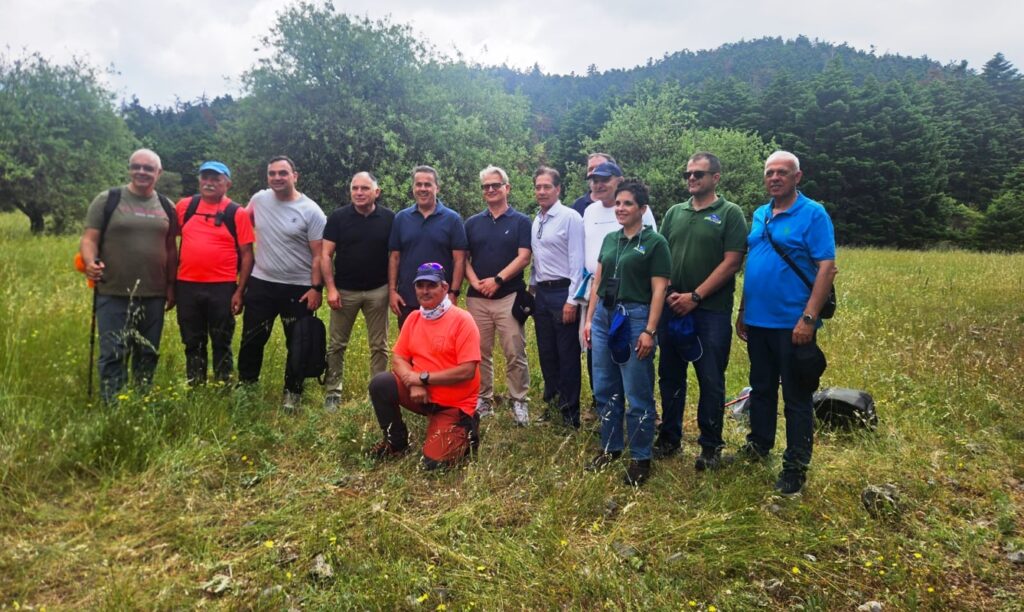
The minister added: “Today, on World Environment Day, from Laconia, we send a clear message: nature protection and development go hand in hand. Ecosystem conservation, sustainable tourism enhancement, and local community support constitute the pillars of modern policy.” The visit included Laconia MP Neoklis Kritikos, Peloponnese Regional Governor Dimitris Ptochos, local government representatives, OFYPEKA officials, and representatives of the Hellenic Mountaineering Association of Molaoi and Southeastern Laconia.