Thessaloniki and Northern Greece as a whole are entering a new phase of major interventions, with a series of strategically important projects gradually changing the infrastructure, development and urban landscape of the region. At the center is the redevelopment of the Thessaloniki International Fair (TIF), with the international tender expected to be announced within the summer, marking the beginning of one of the largest urban projects designed for Thessaloniki in recent decades.
The totality of interventions being promoted by the Hellenic Corporation of Assets and Participations and its affiliated entities is not limited only to the utilization of public property. On the contrary, it is part of a broader plan that seeks to strengthen the role of Northern Greece as a hub for transport, logistics, tourism and culture, giving new developmental momentum to Thessaloniki and the wider region.
Some of the projects are already in the tender process, others are in the study and maturation stage, while some have already moved to the implementation phase. This picture reflects the transition from planning to action, at a time when the city is trying to redefine its developmental and metropolitan character.
The redevelopment of Thessaloniki International Fair
The redevelopment of Thessaloniki International Fair holds a dominant position in this new investment network. This is a project of particular importance, as it concerns not only the reconstruction of an exhibition space, but also the overall redesign of TIF’s function and role within the city’s urban fabric. The plan provides for the creation of a large metropolitan park, approximately 120 acres, with the largest part of the area dedicated to green and free public spaces.
At the same time, new exhibition and administrative facilities will be erected, while emblematic buildings and infrastructure in the area, such as “Ioannis Vellidis”, the Palais des Sports, the OTE Tower and the Museum of Contemporary Art, will be preserved and upgraded. The philosophy of the project is to create a multifunctional urban destination that will operate on a daily basis and not exclusively during exhibitions or conferences. The goal is for the new TIF to combine entrepreneurship, culture, entertainment, sports and recreation, while enhancing Thessaloniki’s visitability and economic activity.
Special emphasis is also placed on the functional reorganization of the TIF organization itself. The Hellenic Corporation of Assets and Participations proceeded with changes to the corporate governance model, choosing a more flexible administrative scheme, with the participation of market executives as well as representatives of the local community and Local Government. At the same time, an advisory committee operates with the participation of institutional and productive bodies of Thessaloniki, so that the city has active participation in shaping the plan. The objective is not only the completion of a major construction project, but also ensuring its sustainability and functionality over time.
Plans for Kalamaria
The tender for Aretsou marina in Kalamaria is also at an advanced stage, for which bids have already been submitted by five investment schemes. TEKAL, Techniki Olympiaki, AVAX Group, Lamda Marinas and REDS have expressed interest. However, some appeals from the Municipality of Kalamaria are pending, which are expected to significantly delay the development process. The plan provides for significantly reduced construction compared to older designs, more public spaces and free citizen access to the waterfront, with emphasis on recreation, sports and highlighting the historical identity of the area and Kalamaria’s refugee memory.
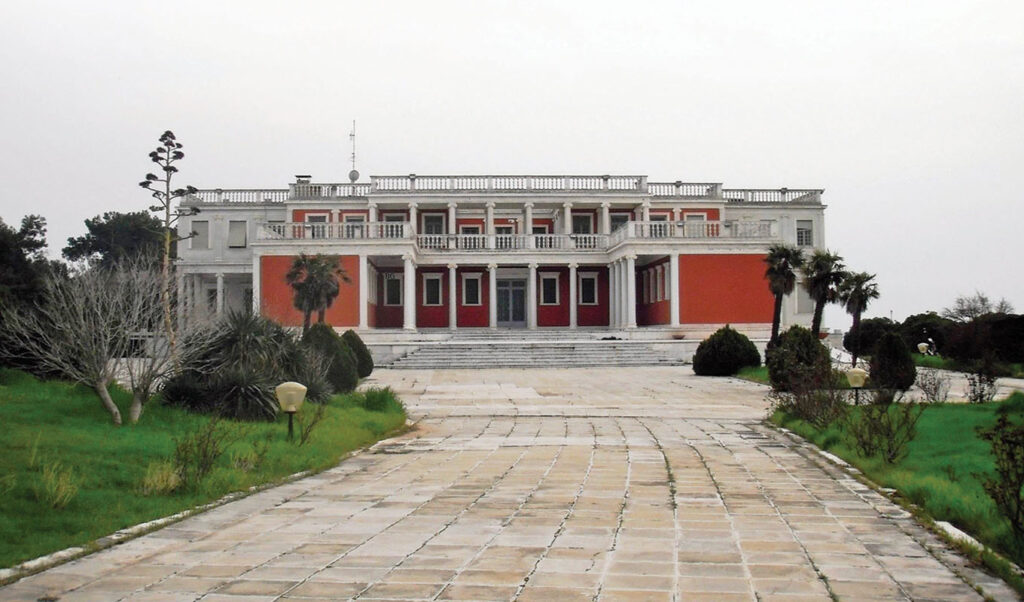
At the same time, the restoration plan for the Government House of Thessaloniki, known as “Palataki”, is proceeding. ETAD and the Hellenic Parliament have already initiated procedures for studies and licensing, with the goal of the historic building acquiring a new role as a space for culture, conferences and public events, while simultaneously hosting a permanent presence of Parliament in Northern Greece. The utilization of the former Gonou Camp is also expected to have a significant developmental impact, which is planned to be converted into a modern logistics and combined transport center for SE Europe. The project concerns an area of approximately 670 acres and two investment schemes have already entered the expression of interest process.
At the same time, GAIAOSE is promoting planning for the conversion of Thessaloniki Railway Station into a modern, multifunctional transport hub, following the model of European metropolitan stations, where transport, commercial and urban functions will coexist.
Flyover delivery in May 2027
On the infrastructure front, the Flyover project in Thessaloniki has exceeded 50% of implementation and, according to METKA’s management, is expected to be delivered on schedule in May 2027. The AVAX-METKA consortium assures that the project is progressing normally, despite technical difficulties. METKA is also implementing the PPP project for 17 school complexes in Central Macedonia, with some schools expected to be delivered earlier than the planned schedule. At the same time, it participates in the extension of the 6th pier of ThPA together with TEKAL, a project that faced delays due to the discovery of old bombs on the harbor bottom. Finally, two significant private investments in Thessaloniki are underway: the construction of the Holocaust Museum of Greece and the redevelopment of the Fix complex, projects that are progressing at satisfactory rates and are expected to significantly enhance the cultural and business footprint of the city.
Published in the Money pro supplement of Parapolitika