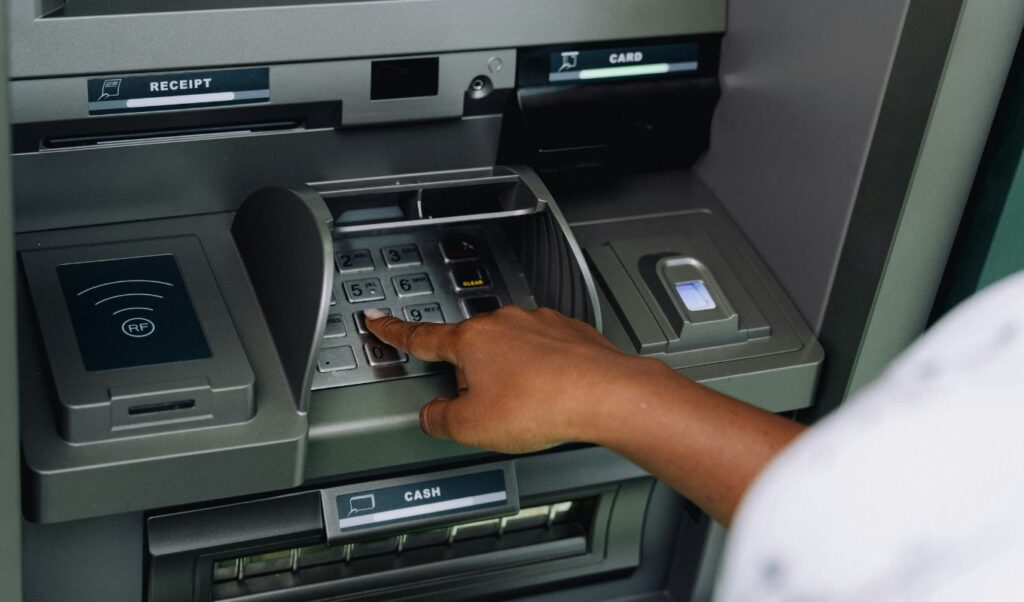
The National Benefits Registry is expected to be operational by this Thursday, a new unified digital platform that will consolidate all benefits received by every citizen – whether in cash or in kind – putting a definitive end to fraudulent benefits and double payments.
National Benefits Registry: What changes with the new welfare system
The new system will operate on a pilot basis until September 30 and will allow the state to know who receives what amounts, in a spending area that, according to the Budget, currently exceeds 13 billion euros or 5% of GDP.
Based on the Joint Ministerial Decision signed by Nikos Papathanasis, Thanos Petralias, Dimitris Papastergiou and Giorgos Pitsilis, the main objectives of the Registry are:
- More effective monitoring of the fiscal impact of benefits and subsidies.
- Providing information within audit procedures for all benefits granted per individual.
- Utilizing the comprehensive picture of subsidies to control the accumulation of benefits and allowances.
Through mapping social benefits, a unified digital profile is created per tax identification number (AFM), recording all subsidies each citizen receives, from child and housing allowances to heating, unemployment, and disability benefits.
The Registry includes:
- All individuals, including those engaged in business activities, who receive benefits and/or subsidies from the State.
- All benefits, in cash and in kind, and subsidies granted to individuals by public sector entities, which are required to immediately update the Registry regarding the establishment of new benefits and subsidies for integration into the digital platform.
Digital file for every tax ID: What data will be recorded
For each individual, the Registry maintains the following categories of data and information:
- Personal beneficiary data (name, tax ID, nationality, date of birth, gender, marital status, number of children, place of residence).
- Economic beneficiary data (annual individual taxable income, actual and presumed), data from specific fields of individual income tax returns relating to income sources or benefits, annual family taxable income, total real estate value as calculated for Unified Property Tax (ENFIA) purposes.
- Benefit or subsidy data (amount of entitled benefit or subsidy, amount of paid or recovered benefit or subsidy, reference period of paid or recovered benefit-subsidy with distinct marking for start and end dates. For benefits or subsidies paid once and not linked to a specific reference month, the month of subsidy payment is recorded, along with the date of paid or recovered benefit or subsidy).
Which systems will connect to the National Benefits Registry
The Registry interoperates, through the Interoperability Center of the General Secretariat of Information Systems and Digital Governance (ΓΓΠΣΨΔ), with:
- the Citizens Registry of the Ministry of Interior,
- the Tax Registry of the Independent Authority for Public Revenue (ΑΑΔΕ),
- Income Tax Returns of ΑΑΔΕ,
- Property Declarations/ENFIA of ΑΑΔΕ,
- the National AMKA Registry – ΕΜΑΕΣ and other registries of ΗΔΥΚΑ ΜΑΕ, particularly for extracting information about number of children as indirect members,
- the National Citizens Communication Registry (ΕΜΕπ),
- Registries or Information Systems of benefits and subsidies integrated into the Registry,
- the Information System for user authorization of horizontal information systems of Public Administration of ΓΓΠΣΨΔ of the Ministry of Digital Governance for authorizing users of Horizontal Public Administration Information Systems connected to the platform using “Public Administration Codes.”
Which benefits enter first in the pilot application
Benefits and subsidies included in the pilot program comprise:
- heating allowance,
- preschool children, infant and toddler access allowance to preschool education and care services, access allowance for children, adolescents and people with disabilities to creative employment services,
- child allowance,
- birth allowance,
- foster care allowance,
- mountainous and disadvantaged areas allowance,
- social solidarity allowance for uninsured elderly,
- minimum guaranteed income,
- housing allowance,
- housing assistance allowance for uninsured elderly,
- benefits from the “Coverage” Program,
- financial assistance for people with disabilities,
- the “Personal Assistant for People with Disabilities” service,
- monthly compensation for professional foster carers,
- unemployment and long-term unemployment benefits.