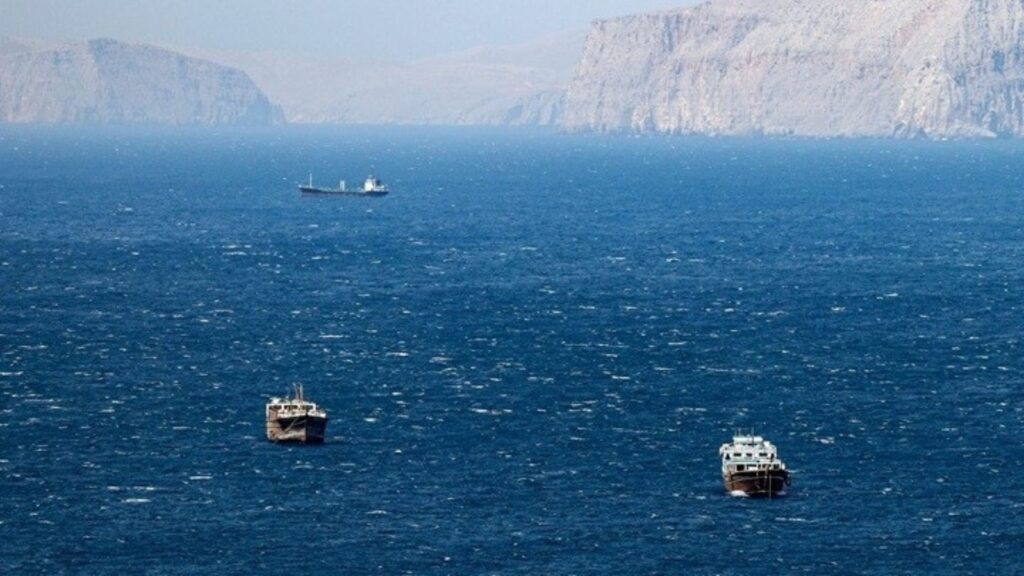
The Sultanate of Oman announced the postponement of a meeting between Iranian and Gulf state foreign ministers over the future of the Strait of Hormuz — now at the heart of the conflict between Washington and Tehran, which has kept the strategically vital waterway closed for months. The meeting, originally scheduled to take place in Salalah today, was “decided to be postponed” in order to “create the appropriate conditions for constructive dialogue,” according to Oman’s official news agency, ONA.
Iran’s IRNA news agency reported that the postponement was jointly decided by Tehran and Muscat. “We remain committed to facilitating dialogue that will contribute to stability and lasting cooperation in our region,” said Omani Foreign Minister Badr Albusaidi, explaining that the delay was decided in the interest of building “consensus.”
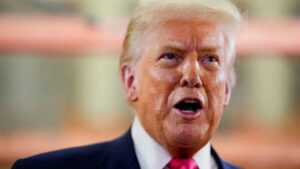
Trump on the Strait of Hormuz meeting: “I don’t care, it’s their problem”
Tehran had announced the summit, noting that Gulf states — without specifying which ones — along with Iraq would participate. However, no regional country confirmed its attendance, and Bahrain made clear it would send no representative. For his part, Donald Trump said he “doesn’t care” about the meeting. “That’s their problem,” the U.S. president remarked.
Oman and Iran are the two countries — to the south and north, respectively — between which the strait lies. Before war broke out on February 28th, triggered by the U.S.-Israeli attack on the Islamic Republic, approximately 20% of the world’s hydrocarbon consumption passed through the waterway.
In retaliation, Iran began striking wealthy oil-producing Gulf monarchies allied with the United States, and claimed full control over the Strait.
A preliminary agreement signed in June between Washington and Tehran has since collapsed entirely, with both sides holding diametrically opposed positions on the Hormuz issue. As strikes and counter-strikes resumed in recent weeks following months of relative calm, oil prices surpassed the symbolic threshold of $100 per barrel on international markets last week.
The Islamic Republic of Iran and the Sultanate of Oman — which have maintained good relations despite the war — have been negotiating for months over the management of the Strait, through which passage had previously been free and unrestricted before the armed conflict erupted.
Iran now demands that vessels obtain its permission before transiting the waterway, citing security and national sovereignty concerns, and intends to establish a mechanism through which fees will be charged for services rendered to each passing ship.
Vessels that attempt to cross without Iranian authorization are frequently targeted, while the United States periodically carries out airstrikes along the Iranian coastline to challenge Tehran’s control over the waterway, and has imposed a blockade on Iranian ports in the Gulf.
The Houthis — the Yemeni movement aligned with Tehran, which announced a naval blockade of Saudi Arabia in July and began targeting its tankers — seized control last week of the strategically critical Bab el-Mandeb strait, through which all traffic to and from the Suez Canal must pass.
With Hormuz, on the other side of the Arabian Peninsula, remaining de facto closed, the kingdom — the world’s largest crude oil exporter — now finds itself completely encircled.