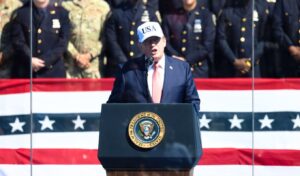
The response of the US and Donald Trump to Iran’s proposal to end the war is now awaited, however messages from Washington (including from Marco Rubio) indicate it will likely be rejected.
It is noted that Donald Trump convened his White House national security team to examine Tehran’s proposal, with the war now entering its third month, having caused thousands of casualties in the Middle East and serious disruptions to energy markets.
White House Press Secretary Caroline Leavitt stated that the president will respond “very soon,” emphasizing that Washington’s “red lines” remain clear, with the primary goal of preventing Tehran from acquiring nuclear weapons — something Iran has consistently denied.
The warring parties had agreed to a ceasefire around April 7, however hostilities may resume if no new agreement for negotiations is reached.
According to sources, Tehran appears willing to accept an interim agreement to open the Strait of Hormuz, provided the US lifts the blockade of Iranian ports, leaving more complex discussions about the nuclear program for later. However, it insists on maintaining some degree of control over shipping, something Washington will hardly accept.
“Better than expected” Iran’s proposal, said Rubio, but “they’re trying to find a way to buy time”
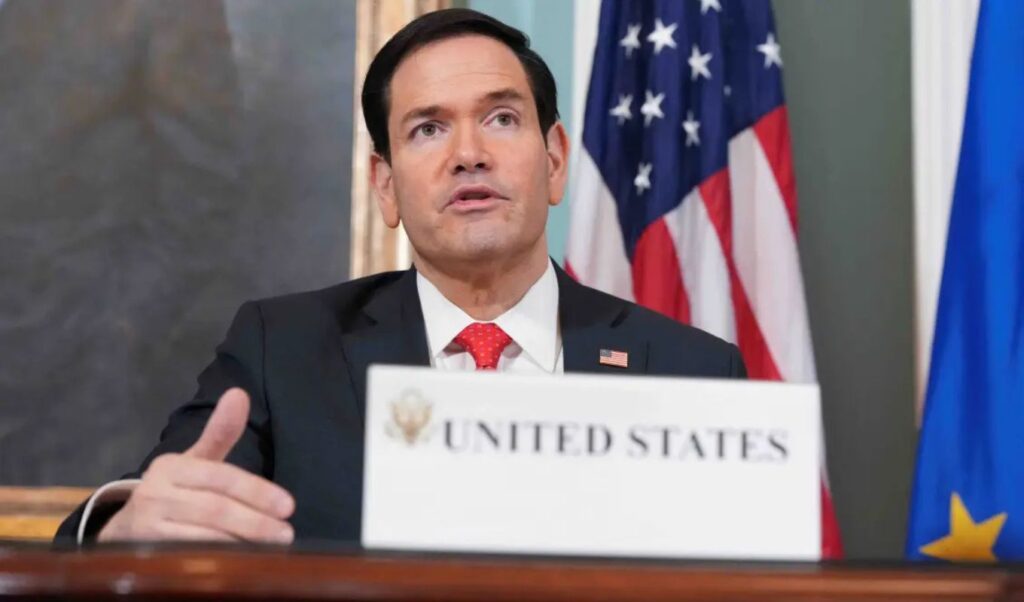
US Secretary of State Marco Rubio characterized the Iranian proposal as “better than expected,” noting however that there are doubts about whether the person who submitted it had the authority, reinforcing assessments of internal disagreements within Iranian leadership.
“I think they’re seriously trying to find a way to buy more time,” Rubio said. “We can’t let them get away with it. They’re very good negotiators. They’re very experienced negotiators. We need to ensure that whatever agreement is reached will definitively prevent them from moving rapidly toward acquiring nuclear weapons at any point.”
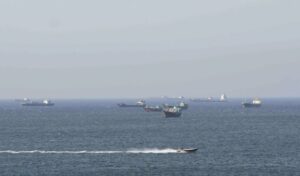
Meanwhile, the Strait of Hormuz — through which about one-fifth of global oil and liquefied natural gas traffic passes — remains essentially blocked. Oil prices are rising, with Brent exceeding $110 per barrel, a one-month high.
The prolonged crisis is causing increasing international dissatisfaction, with German Chancellor Friedrich Merz stating that the US is being “humiliated” by Iran’s stance and expressing doubts about their strategy.
The “thorns” in US-Iran talks
Negotiations between the US and Iran remain difficult, as a series of critical issues continue to divide the two sides.
Nuclear program
The US demands complete termination of Tehran’s nuclear program, while Iran insists that any restrictions must have a specific time limit.
Enriched uranium stockpile
Donald Trump has stated that Washington wants to take control of Iran’s approximately 400 kilograms of highly enriched uranium. Tehran categorically rejects this possibility.
Strait of Hormuz
Iran states it will continue to impose restrictions on shipping in the Strait of Hormuz until the US blockade of Iranian ports is lifted. Conversely, Washington makes clear that measures will remain until an agreement is reached.
Frozen assets and sanctions
The Iranian side demands lifting of sanctions and release of approximately $20 billion in frozen assets as a prerequisite for a viable agreement.
War reparations
Tehran also demands reparations reaching $270 billion for damages it attributes to US and Israeli attacks.
Regional influence
The US seeks to limit Iran’s support for its regional allies, such as Hezbollah in Lebanon and Hamas in Gaza, as well as halt its ballistic program.