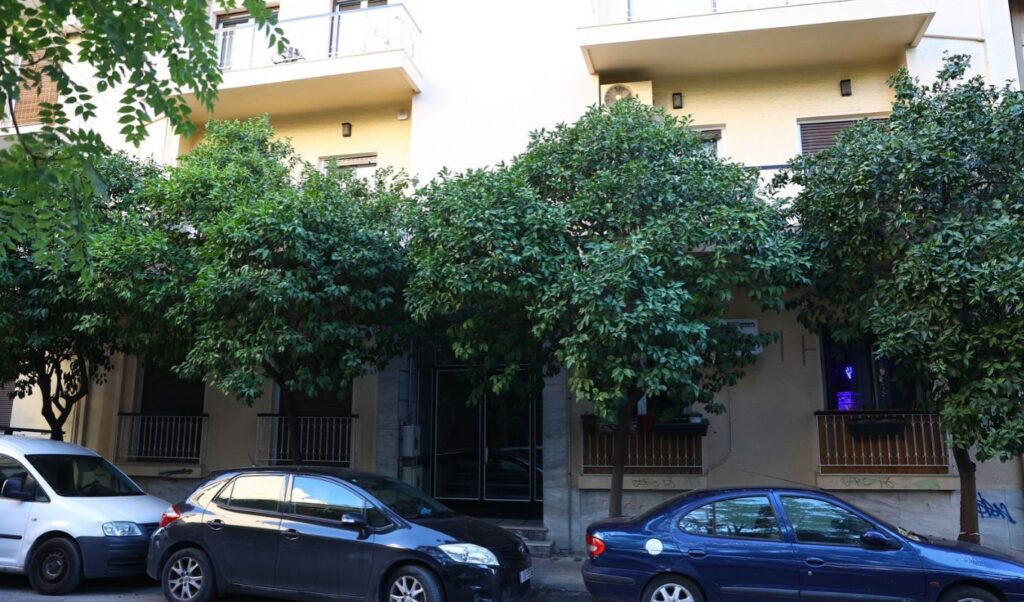
Authorities are actively investigating two vials recovered by members of the Explosive Ordnance Disposal Unit (EOD), following the evacuation of two residential apartment buildings in Kallithea. According to information, the vials may have contained picric acid in crystalline form — a finding that is expected to be confirmed or ruled out once laboratory analysis is complete. The large-scale response by authorities reflects the serious threat posed by this substance, which under certain conditions is capable of causing a powerful explosion.
What is picric acid and what is it used for?
Picric acid is an explosive substance that must be stored submerged in water. It is one of the most acidic phenolic compounds and is also known by the names carbazotic acid and picronitric acid. In its anhydrous (dry) state, picric acid is highly sensitive to vibration and friction, and can detonate in a manner similar to nitroglycerin. For this reason, laboratories that work with the substance keep it stored in bottles under water.
Historically, picric acid’s primary use was as a military explosive — it was the first high-powered organic explosive capable of withstanding the force of being fired from a conventional artillery shell — before it was gradually replaced by more modern alternatives.
Beyond its military applications, picric acid was also used in medicine as an antiseptic and in the treatment of burns. It continues to be used today in the analytical chemistry of metals and ores.
“I received a phone call saying that bombs had been planted in two apartment buildings on Laskaridou Street and that we needed to get out immediately,” a local resident told Orange Press.