The market for Very Large Crude Carriers (VLCCs) is operating at historic highs, as a remarkable rally in freight rates is now directly driving up the values of second-hand vessels.
Read also: Trucking freight rates on the rise: Owner backlash and fears of cost pass-through to consumer goods
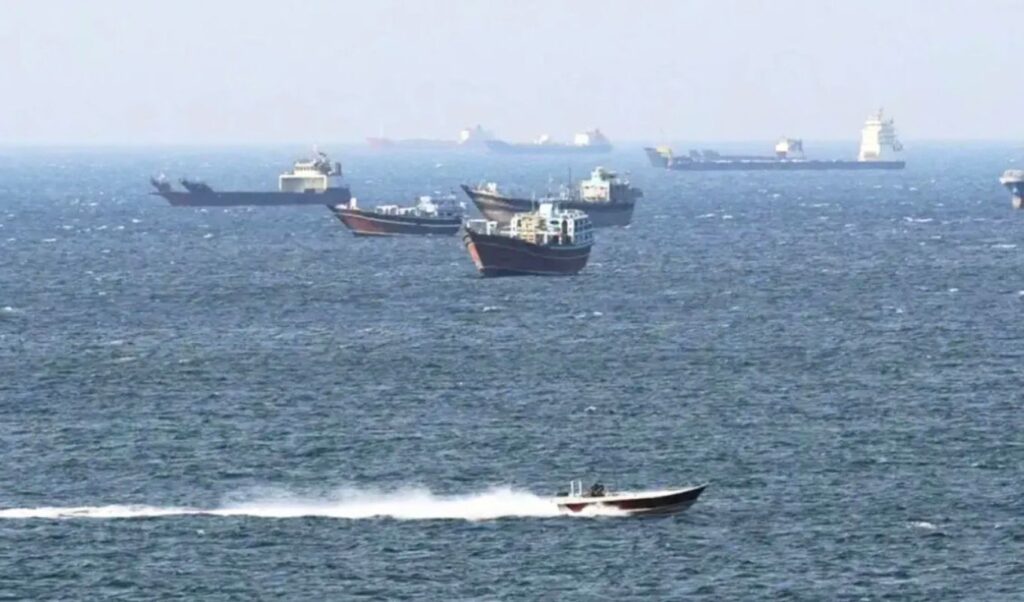
Geopolitical crisis at Hormuz and the daily freight rate explosion
According to an analysis by Xclusiv Shipbrokers, the upward momentum intensified sharply from late July onward, as geopolitical tensions surrounding Iran and the Strait of Hormuz — combined with reduced vessel availability and surging revenues — have created an exceptionally favorable environment for VLCC asset values.
Freight rates jump over 800% in just one year
The freight rate figures paint a striking picture of just how dramatic this shift has been.
The VLCC market average, according to the Baltic Exchange, stood at approximately $198,000 per day in July, before climbing to $272,000 per day in August and surging to nearly $449,000 per day in the first half of September.
The rally continued throughout September. By September 18, the relevant index had reached approximately $722,946 per day, compared to $79,700 per day in mid-September 2024.
This represents a staggering increase of 807.1% over a 12-month period, fundamentally reshaping the financial landscape for VLCC shipowners.
The freight rate surge also represents an additional factor driving up the cost of oil transportation — one that can ripple outward into broader inflationary pressures. The impact extends across energy-intensive industries and global supply chains, both internationally and within Greece.
The Strait of Hormuz is squeezing available capacity
Developments in the Middle East are playing a central role in shaping current market conditions.
Heightened tensions surrounding Iran and disruptions to shipping through the Strait of Hormuz have significantly increased the perceived risk for vessels operating in the region. According to Xclusiv’s analysis, this has reduced the number of VLCCs genuinely available for commercial deployment.
At the same time, shifts in shipping routes, longer voyage distances, and the need to source crude oil from alternative regions are all boosting ton-mile demand.
In practical terms, this means that transporting the same volume of oil now requires more sailing days. As a result, more vessels remain committed to longer voyages, effectively shrinking the available VLCC supply pool and adding further upward pressure on freight rates.
Second-hand VLCC values surge by up to 62%
The freight rate rally has already fed directly into the second-hand vessel market.
Based on Xclusiv data, between July 10 and September 18, the value of a five-year-old VLCC rose from approximately $145 million to $172 million — an increase of around 18.6%.
Older vessels recorded even sharper appreciation. The value of a ten-year-old VLCC climbed from approximately $115 million to $152 million, representing a gain of more than 32%.
The most dramatic shift was recorded among 15-year-old vessels. Their value surged from $83.5 million to approximately $135 million — a rise of nearly 62% in the span of just two months.
Meanwhile, resale values for newer vessels also increased, moving from approximately $175 million to $193 million.