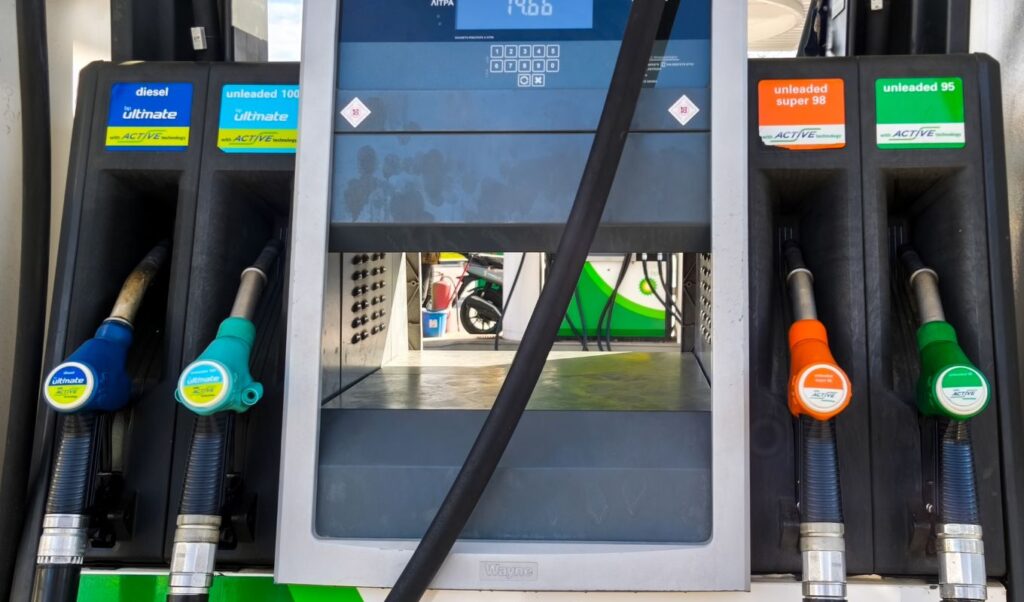
The Greek government is awaiting the “green light” from Brussels to proceed with a reduction in the Special Consumption Tax (excise duty) on heating oil, in an intervention that has taken on an urgent character following explosive fuel price surges.
Energy costs high on the Eurogroup agenda in Dublin
The energy affordability crisis is expected to feature prominently on the agenda of the Eurogroup, which meets today, Friday, in Dublin, under the presidency of Kyriakos Pierrakakis. The Greek side is seeking to secure fiscal room to reduce the tax burden on heating oil.
Government seeks fiscal space for new intervention — target: heating oil price near €1.75 per liter
The economic team’s primary objective is to cushion the shock at the pump before the winter heating season begins and household demand picks up. This year’s starting point is particularly challenging, as oil prices are already at levels that risk pushing the opening price of the heating season above €2 per liter. The government has already announced interventions aimed at bringing the price closer to €1.75 per liter — the level at which heating oil closed last April. The gap compared to last year’s opening price is, however, significant: when the heating season launched last year, heating oil was priced at around €1.10 per liter.
The key lever for shaping the final price is the Special Consumption Tax (excise duty). During the heating oil distribution period, the excise duty stands at 28 cents per liter, generating approximately €300 million in state revenue. This figure sits at the very core of the fiscal equation the government must navigate. Cutting the tax would reduce tax revenues accordingly, but it remains the most direct tool for passing the benefits of any fiscal intervention through to the final price at the pump.
For this reason, Athens is waiting for a clear signal from Europe before finalizing the scale of the excise duty reduction. The extent of that cut will determine how much room exists for the pump price to fall. The excise duty reduction represents the first pillar of the government’s plan.
Across-the-board increase in the heating allowance
At the same time, as Prime Minister Kyriakos Mitsotakis announced, the government is moving forward with an across-the-board increase in the heating allowance, in order to strengthen support for households facing higher energy costs.
Currently, the allowance ranges from €100 to €800, and can reach up to €1,200 in areas of the country with extremely low temperatures. The planned increase will work in tandem with the excise duty cut, ensuring that the state’s intervention goes beyond merely capping pump prices.
New intervention on diesel fuel
Diesel fuel remains another active front. The diesel subsidy is being extended into October, as high international prices have already fed through to the fuel market, placing additional strain on transport operators, professionals, and businesses. The current subsidy stands at 10 cents per liter including VAT, and a doubling to 20 cents per liter is on the table, subject to available fiscal headroom. The available budget for new interventions — drawn from the 2025 fiscal surplus — is currently estimated at approximately €130–150 million, which limits the options but does not rule out a more substantial diesel intervention.
Profit margin cap makes a return
The third pillar of the government’s plan concerns profit margins across the fuel supply chain. Starting in October, a cap on the profit margins of refineries and petrol stations will be reinstated, aimed at preventing additional markups from being passed on to the final price. The measure had previously been applied in spring, from March 11 through June 30, 2026. For wholesale petroleum trading companies, the maximum permitted margin had been set at 5 cents per liter for both 95-octane unleaded petrol and diesel fuel. For retail petrol stations, the cap had been set at 12 cents per liter, bringing the total maximum margin across the supply chain to 17 cents per liter. Strict penalties and administrative fines of up to €5 million were provided for any violations of the prescribed limits.