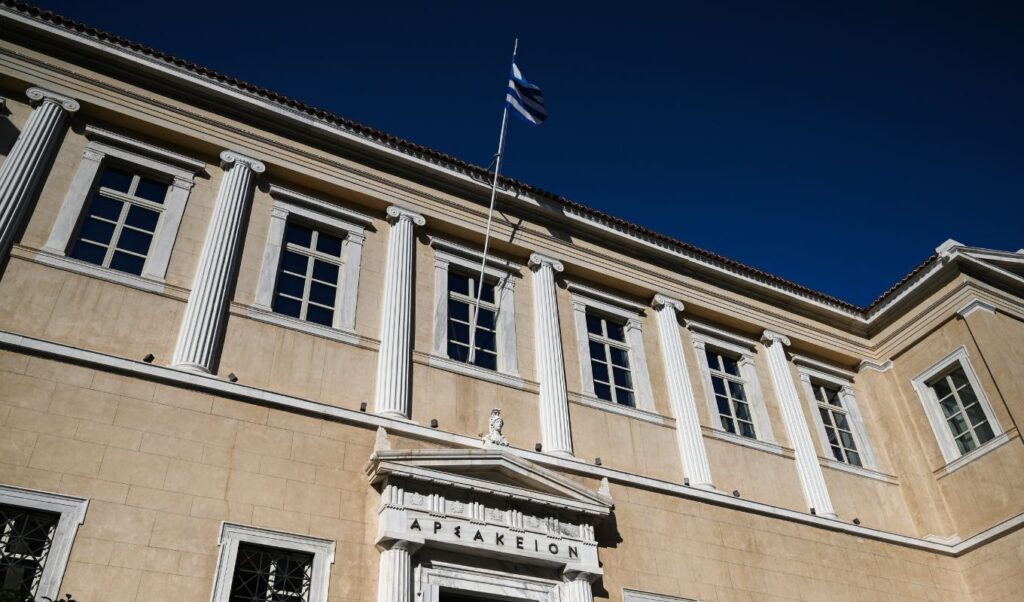
Greece’s Council of State (ΣτΕ) has dropped a bombshell on the tax audit landscape, paving the way for investigations reaching back up to ten years when evidence of forged or fictitious invoices surfaces for the first time after the standard five-year limitation period has expired. The critical condition is that the evidence must be genuinely new — information that the tax authority had not identified within the original five-year window.
Council of State: Tax audits can go back 10 years — the plumbing company case
More specifically, the Second Division of the Council of State, through ruling 364/2026, rejected an appeal by a general partnership operating in the plumbing and hydraulic installations sector. The company had been assessed for income tax and additional surcharges relating to the 2005 fiscal year, following the discovery of fictitious and forged invoices. The case reached the Supreme Court with the company arguing that the state’s right to assess had already lapsed under the statute of limitations. The company contended that the tax administration had access to the critical evidence within the five-year period and that there was therefore no basis for triggering the ten-year limitation period. The Council of State, however, rejected this argument.
The key SDOE finding that opened the door to the decade-long lookback
The pivotal element in the case was the audit report issued by the Financial Crimes Prosecution Unit (SDOE), drafted on 4 June 2014. It was through this subsequent investigation that the fictitious nature of the disputed transactions and the invoices recorded in the company’s books was established for the very first time. For the Council of State, these specific findings did not merely represent a later use of information already known to the administration. On the contrary, they constituted new “supplementary evidence,” given that the sham nature of the transactions had been uncovered for the first time by the SDOE audit. This was sufficient to justify the application of the ten-year limitation period and to uphold the tax assessment.
What the ruling means for fictitious invoice cases
The ruling does not mean that the tax authority gains the ability to reopen any tax file from the past decade at will. The five-year statute of limitations remains the default rule. The ten-year period is triggered only as an exception — when new evidence or information emerges that was not known to the tax administration during the initial five-year period and from which a greater tax liability can be established.
The ruling carries particular significance for cases involving fictitious and forged tax documents, as a subsequent audit can bring to light violations that went undetected during the original investigation. In the case at hand, the SDOE audit revealed the fictitious nature of the transactions only after the standard five-year period had already elapsed. This finding served as the “key” that activated the ten-year limitation period. A parallel conclusion was reached by the Council of State on VAT matters through ruling 365/2026, where it was similarly accepted that the fictitious nature of invoices — uncovered for the first time by a subsequent SDOE audit — could constitute new supplementary evidence.